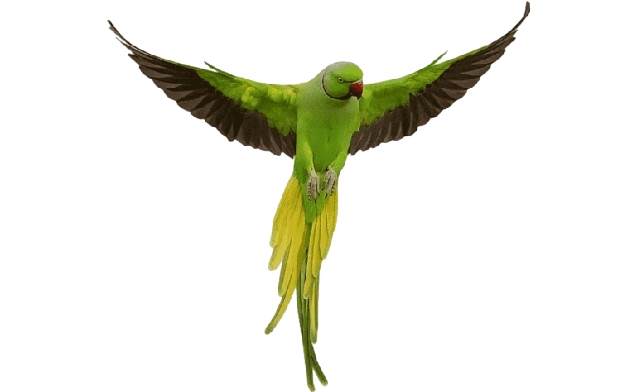
Why do parakeets scream or screech
Why do parakeets scream or screech? As a long-time breeder, I hear this question more than any other. Simply put, screaming is your parakeet’s way of communicating. Whether they are feeling bored, lonely, or just need to grab your attention, understanding these sounds is the key to a happier home. In this guide, I, Gin, will walk you through exactly why your bird is making noise and how to handle it with the care and experience they deserve.
Key Takeaways
- Communication: Screaming is often a natural “contact call” used to locate the flock.
- Emotional Cues: Birds may screech due to boredom, stress, or a simple need for more interaction.
- Positive Reinforcement: Focus on rewarding calm, quiet behavior rather than scolding loud outbursts.
- Environment: A stimulating environment with foraging toys is essential to reduce unnecessary noise.
Understanding Why Do Parakeets Scream or Screech
When you ask, “Why do parakeets scream or screech?”, you are essentially diving into the complex world of avian communication. In the wild, parakeets—or budgies—are incredibly social flock animals. They use loud vocalizations to signal their position, alert others to danger, or express excitement. When they are in your home, you are their flock. If they are screaming, they are likely trying to tell you something important.
It is vital to distinguish between normal “chatter” and problematic “screaming.” Normal vocalizations include soft warbling, happy chirping, and gentle whistles. These are healthy signs of a content bird. However, if your parakeet is letting out high-pitched, relentless screeches, it is time to look at their environment. Are they getting enough social time? Do they have enough toys to keep their busy minds occupied? Often, the answer lies in the level of mental stimulation they receive throughout the day.
The Role of Environment in Parakeet Vocalizations
At THE PARAKEET FOR SALE HOME, I always tell my clients that a happy bird is a quiet bird. If you find yourself constantly asking, “Why do parakeets scream or screech?”, check the surroundings. Parakeets are highly sensitive to their environment. A cage located in a dark, isolated corner may lead to anxiety, while a cage placed in a chaotic, high-traffic area might overstimulate them, causing them to respond with loud squawks.
Try to rotate their toys and perches to keep things fresh. A bored parakeet is a noisy parakeet. By providing foraging toys—puzzles that make them “work” for their treats—you give them a productive outlet for their energy. Remember, when they are busy shredding a toy or solving a puzzle, they are far less likely to be screaming for your attention.
Expert Tips: How to Manage Loud Behavior
If you are struggling with the question, “Why do parakeets scream or screech?”, you might be tempted to yell back or run to the cage whenever they get loud. As a breeder, I must warn you: this is usually counter-productive. If you rush over to “shush” them, you are effectively rewarding the screaming with the attention they were seeking in the first place.
Instead, practice the “silent approach.” Wait for a moment of quiet, then approach the cage to offer a treat or talk softly. This teaches your bird that calm behavior is the “key” to getting your attention. If the screaming persists, it may be a sign of deeper stress, such as a lack of sleep. Ensure your birds get 8–10 hours of uninterrupted rest in a quiet space every night.
Top Parakeet Species and Breeding Insights
When selecting a parakeet from THE PARAKEET FOR SALE HOME, it is helpful to know that different individuals have different personalities. While some are naturally more talkative, all of them require consistent socialization.
- Budgerigars (Common Parakeets): These are the most popular for a reason! They are exceptionally social and thrive when they have a companion or plenty of human interaction.
- English Budgies: Often a bit more laid back, but they still need mental stimulation to avoid the screaming habit.
- User Guide for New Owners: Always prioritize a large, horizontal flight cage. This allows for exercise, which is one of the best natural remedies for excessive vocalization. If you notice your bird is screaming, look at their body language. Are their wings slightly open? Are they panting? These physical cues often accompany the noise and can help you diagnose the underlying issue—be it heat, stress, or pure excitement.
Conclusion: Creating a Harmonious Home
Ultimately, the answer to “Why do parakeets scream or screech?” is that they are intelligent, social creatures attempting to bridge the gap between their world and yours. By providing a rich, engaging environment and reinforcing calm behavior, you can enjoy a peaceful relationship with your feathered friend. Remember, patience is your best tool. At THE PARAKEET FOR SALE HOME, we believe that with the right care, you will spend much more time enjoying their melodic warbles than worrying about their screeches.
Frequently Asked Questions
Q: Is it normal for my new parakeet to scream during the first few days at home?
A: Yes, it is very common! Your bird is likely adjusting to a brand-new environment, new smells, and new people. This is a big transition. During this time, they may use loud calls to look for their “flock” (which was their previous home/breeder). Keep the environment stable, talk to them in a calm, low voice, and give them time to settle in. Within a week or two, as they feel safer and more secure, the frequency of these “adjustment screams” should naturally decrease. If the screaming remains constant, always ensure they are not reacting to a specific stressor in the room, such as a television, a loud appliance, or a direct draft.