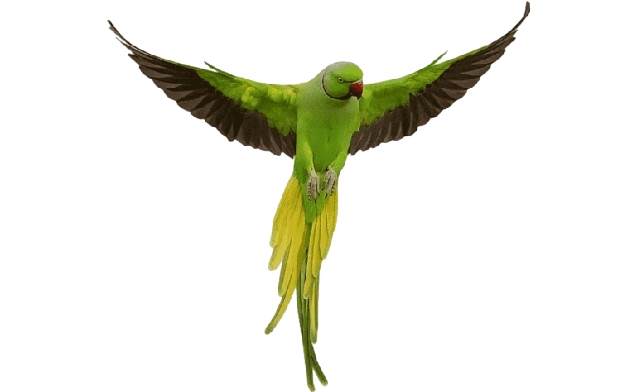
Different Breeds of parakeets
Different Breeds of parakeets can truly transform how you experience bird ownership, offering everything from tiny, talkative companions to vibrant, medium-sized acrobats that fill your home with life. Hello there, I am Mr. Parrot, and after spending decades breeding, raising, and studying these magnificent feathered creatures, I can tell you right now that choosing the right companion isn’t just about picking a pretty color. It is about matching your lifestyle, your home environment, and your daily routine with the exact temperament of the bird.
Most people skim right through articles looking for quick answers, so let me summarize the entire content right here in this opening section: exploring different breeds of parakeets reveals a massive spectrum of sizes, vocal tendencies, and care requirements, from the classic Australian budgerigar to the bolder Asiatic ringnecks, meaning you have to weigh housing space, noise tolerance, and personal connection style before making any final decisions on bringing a new pet into your family.
Key Takeaways
- Variety in Size and Sound: Different breeds of parakeets range drastically from compact 7-inch budgies up to much larger, vocal ringneck species that demand different acoustic environments in your home.
- Temperament Matters: Some variations lean toward independent curiosity while others form intense, velcro-like emotional bonds with their chosen human caretakers.
- Dietary and Housing Needs: Proper care requires understanding that different breeds of parakeets need specialized horizontal flight cages, varied fresh diets, and tailored mental stimulation.
- Lifelong Commitment: Most healthy parakeet species live anywhere from 7 to 15 years—and sometimes significantly longer—making preparation vital for long-term ownership success.
Understanding the World of Different Breeds of Parakeets
When people first start looking into different breeds of parakeets, they often assume all small green or blue birds share the exact same personality. I used to think that way too, back when I first got started in aviculture decades ago. But the truth is far more nuanced, and perhaps a bit more complicated than most pet store guides lead you to believe. Different breeds of parakeets possess completely unique ancestral traits shaped by their native environments—whether that means the arid scrublands of Australia or the lush canopies of Asia.
I remember handling my first clutch of varied mutations years ago, noticing how one baby budgie was wildly outgoing while another line was much more reserved and contemplative. Different breeds of parakeets bring distinct energy levels into a room. If you want a bird that sits quietly on your finger and whispers soft mimicry, your choice will look vastly different than if you are searching for an active, high-flying exhibition bird that demands an expansive enclosure. It is funny how humans try to categorize nature so neatly, yet every single bird ends up displaying its own quirky individuality that completely defies textbook definitions.
Comprehensive Listicle of Top Breeds, Species, and User Guide
Navigating the marketplace for different breeds of parakeets can feel overwhelming without a clear roadmap. As someone who has hatched and homed thousands of healthy birds, I have put together this detailed breakdown of the top species available today, helping you weigh what works best for your household.
1. The Classic Budgerigar (Melopsittacus undulatus)
- Origin: Australia
- Average Size: 6 to 8 inches
- Lifespan: 7 to 15 years
- Ideal For: Beginners, apartment dwellers, and families wanting a cheerful, talkative companion.
- Breeder Insight: These are universally what most people picture when they think of different breeds of parakeets. They are remarkably intelligent, easy to train when young, and capable of learning astonishing vocabularies. However, they do love to chew, so you will want to keep wooden toys stocked up continuously.
2. The Rose-Ringed Parakeet (Psittacula krameri)
- Origin: Africa and Asia
- Average Size: 15 to 16 inches
- Lifespan: 20 to 30 years
- Ideal For: Intermediate to advanced bird owners who have extra space and time for a bolder, highly intelligent medium-sized parrot.
- Breeder Insight: Ringnecks are stunning, featuring that iconic neck ring in males. They possess a majestic presence, but they also go through a characteristic bluffing stage during adolescence where they test boundaries. You need patience and consistency to keep them grounded and friendly.
3. The Lineolated Parakeet (Bolborhynchus lineola)
- Origin: Central and South America
- Average Size: 6 to 7 inches
- Lifespan: 10 to 15 years
- Ideal For: Owners seeking a quieter, more laid-back bird that does not mind spending peaceful hours observing the room.
- Breeder Insight: Often called “linnies,” different breeds of parakeets like this one are famous for a gentle waddling walk and a remarkably quiet disposition. They are not loud screamers, making them fantastic if you share walls with neighbors.
4. The Alexandrine Parakeet (Psittacula eupatria)
- Origin: Indian Subcontinent
- Average Size: 22 to 24 inches
- Lifespan: 30 years or more
- Ideal For: Experienced handlers looking for a majestic, long-term avian partner with high cognitive capabilities.
- Breeder Insight: Named after Alexander the Great, these large birds command respect. They form deep attachments to a single primary owner and require heavy mental stimulation to prevent boredom. Handling them requires confidence and a sturdy set of perches.
Essential Care Guide for Different Breeds of Parakeets
Taking care of different breeds of parakeets goes far beyond simply filling a seed cup and hanging a swing. Over the years, I have consulted with hundreds of new bird parents who made minor setup errors that affected their pets’ health. First, housing is critical. Even smaller species require horizontal flight cages rather than tall, narrow ones because birds prefer flying side-to-side.
When looking at nutrition, avoid relying solely on cheap seed mixes. Obesity is a major silent killer in captive parakeets. I always recommend blending high-quality formulated pellets with fresh dark leafy greens, chopped carrots, and occasional bursts of sprouted seeds. Fresh water must be changed daily—sometimes twice a day if your little friend loves dunking their food.
Social interaction forms the core of a parakeet’s mental health. Different breeds of parakeets view their human caretakers as part of their flock. If you leave them isolated for twelve hours a day, behavior problems like feather plucking or excessive screaming can emerge. Spend at least an hour or two daily engaged in out-of-cage training, talking, or simply letting your bird sit comfortably on your shoulder while you work or relax.
Conclusion
Choosing among different breeds of parakeets is an exciting milestone that opens the door to years of joyful companionship, interactive learning, and deep emotional rewards. Whether you lean toward the compact, cheerful nature of the standard budgie or the striking, regal presence of an Asiatic ringneck, success ultimately comes down to the dedication you put into their daily care, housing, and social bonding. Keep your environment stimulating, your feeding habits balanced, and your patience steady as you build trust with your new feathered friend.
Frequently Asked Questions
What are the main differences in care requirements when choosing between different breeds of parakeets?
The primary differences lie in cage sizing, noise levels, and dietary volume. Smaller varieties like budgies fit well into standard horizontal enclosures and produce gentle, melodic chatter, whereas larger Asiatic species like ringnecks or Alexandrines require heavy-duty metal cages, robust toy rotation to withstand powerful chewing, and owners prepared for significantly louder vocalizations and longer lifespans.