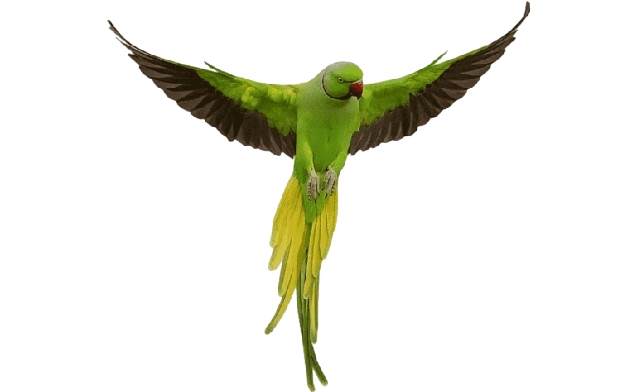
Do parakeets get separation anxiety
Do parakeets get separation anxiety? As a breeder who has spent years working with these intelligent, social little parrots, I can tell you that the answer is a resounding yes. Many new owners are surprised to learn that these small birds have massive emotional lives and can feel true distress when left alone for too long. If your bird is screeching, acting out, or refusing to eat when you leave the room, they aren’t just being difficult—they are struggling with the very real, very stressful weight of separation anxiety.
Key Takeaways
- Social Nature: Parakeets (budgies) are flock animals and require consistent social interaction to thrive.
- Recognizing Anxiety: Look for signs like destructive behavior, excessive vocalization, or a sudden loss of appetite.
- Building Independence: You can reduce anxiety by teaching your bird to enjoy solo play with foraging toys and puzzles.
- Consistency is Key: A predictable routine for feeding, play, and bedtime helps your parakeet feel secure and lowers their baseline stress.
Understanding Do Parakeets Get Separation Anxiety?
When you ask, “Do parakeets get separation anxiety?”, you are touching on one of the most important aspects of avian welfare. Because parakeets are naturally wired to stay in a flock, being separated from their human “flock” can feel like a genuine survival threat to them. At THE PARAKEET FOR SALE HOME, I emphasize to every family that brings a bird home that they are not just buying a pet—they are adopting a highly intelligent, social companion.
When a parakeet experiences separation anxiety, it isn’t just a “bad habit.” It is a state of panic. You might notice them pacing, scratching at their cage, or even plucking their feathers. These are the ways a bird expresses deep-seated discomfort. Understanding that your bird is not trying to be annoying, but rather is signaling a need for safety and connection, is the first step toward a healthier relationship.
Recognizing the Signs of Parakeet Separation Anxiety
Knowing the symptoms is crucial. Do parakeets get separation anxiety signs that are obvious? Sometimes, but often they are subtle. If you notice any of the following, your bird may be struggling:
- Excessive Vocalization: Constant, high-pitched screeching the moment you leave the room.
- Destructive Behavior: Shredding cage liners, chewing on perches more than usual, or trying to escape the enclosure.
- Attachment Behaviors: Becoming abnormally “clingy” or refusing to move away from you when you are home.
- Physical Changes: Refusal to eat, lethargy, or sudden weight loss due to stress.
If you are dealing with these, remember that THE PARAKEET FOR SALE HOME is here to support you in creating an environment where your bird feels secure enough to be independent.
How to Help a Bird Struggling with Separation Anxiety
If you are asking, “Do parakeets get separation anxiety and how can I fix it?”, don’t worry—you have options. The goal is to gradually build their confidence. Start by making your exits and entries low-key. If you make a huge production out of leaving, you are only amplifying the stress.
Try these expert-tested strategies:
- Foraging Toys: These are a game-changer. By hiding treats inside puzzle toys, you turn “alone time” into “treasure hunting time.”
- Gradual Absences: Start by leaving the room for just a minute or two, then return before they have a chance to panic. Slowly increase the time over several weeks.
- Soothing Sounds: Many owners find that leaving on soft music or white noise helps keep the bird calm while they are away.
- Social Enrichment: If your parakeet is truly lonely, consider getting a second, same-sex companion. Budgies often find immense comfort in having a fellow flock member nearby.
Top Tips for Parakeet Owners
As a breeder, my mission is to ensure every bird finds the perfect match. Here are my top insights for new owners:
- Choose the Right Habitat: A large, horizontal cage is essential. It provides enough space for your bird to exercise and fly, which naturally burns off nervous energy.
- Bonding Exercises: Spend 30 minutes of intentional, one-on-one time with your bird daily. This builds the trust they need to be confident when you aren’t around.
- Avoid Toxic Fumes: Parakeets have very sensitive respiratory systems. Never house them near kitchens where non-stick pans are used, as these fumes can be fatal.
Conclusion
Do parakeets get separation anxiety? Yes, but with patience, empathy, and the right strategies, it is entirely manageable. Your goal should be to provide a life that is enriching enough that your bird can be happy even when you aren’t in their line of sight. By understanding their social needs and providing a stimulating, predictable home, you are setting your feathered friend up for a long, happy, and calm life. Remember, the journey to a confident bird is built on trust and small, consistent steps.
Frequently Asked Questions
Q: If I suspect my parakeet has severe separation anxiety, when should I see a vet?
A: If your bird is showing physical symptoms like feather plucking, self-mutilation, total refusal to eat for more than 24 hours, or constant lethargy, you should consult an avian veterinarian immediately. While many anxiety issues can be managed with environment and training changes, some birds may require medical intervention or professional behavior modification to ensure they are not causing themselves long-term harm. Always prioritize their health if their behavior seems to be causing physical distress.