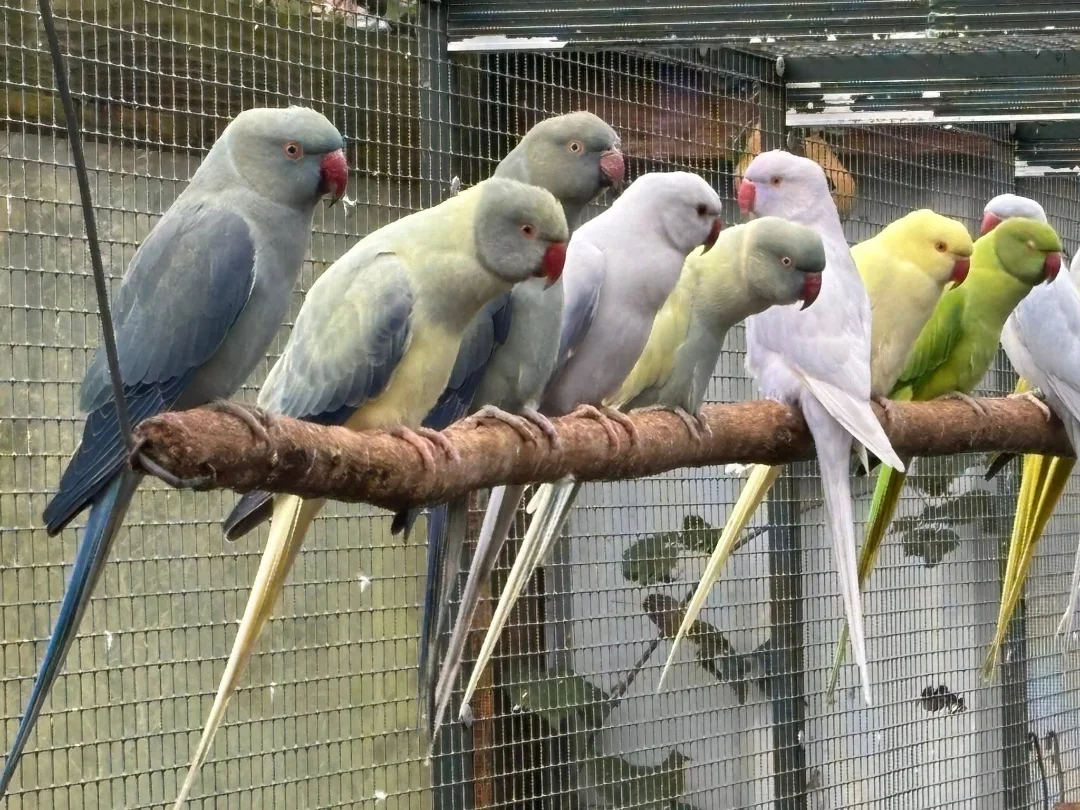
Can parakeets be left alone during the day
Can parakeets be left alone during the day? As a dedicated breeder at THE PARAKEET FOR SALE HOME, I am often asked this by working professionals and families who want to welcome a feathered friend into their lives. The short answer is that while parakeets can be left alone for a standard workday, they are highly social, flock-oriented creatures that truly thrive on interaction, stimulation, and companionship. If you are away for the day, your parakeet isn’t just sitting in a cage; they are waiting for their “flock”—that’s you—to return and share their day. Understanding their need for social engagement and mental enrichment is the secret to ensuring your bird remains happy, healthy, and deeply bonded to you even when your busy schedule keeps you apart.
Key Takeaways
- Social Nature: Parakeets are naturally flock animals that crave constant social interaction, whether from you or a bird companion.
- Daily Routine: While they can survive a workday alone, they require meaningful time, play, and socialization immediately upon your return to remain mentally healthy.
- Enrichment is Non-Negotiable: If your parakeet spends time alone, their environment must be packed with foraging toys, ladders, and rotating activities to prevent boredom and destructive habits like feather plucking.
- The “Buddy” Factor: Keeping parakeets in pairs is often the best way to ensure they have constant companionship, though they will still require dedicated human bonding time to stay tame.
- Safety First: When leaving your bird, ensure their environment is free of hazards, and always provide fresh water and a nutritious diet that encourages natural foraging behaviors.
Can Parakeets Be Left Alone During the Day? Understanding Their Needs
When you ask, “Can parakeets be left alone during the day?” you are really asking about the emotional and psychological well-being of a highly intelligent animal. In the wild, these birds are never truly alone. They live in large, bustling flocks, communicating through constant chirps, whistles, and social cues. When we bring them into our homes, we become their flock.
At THE PARAKEET FOR SALE HOME, I emphasize that while your bird won’t “keel over” from an eight-hour workday, they are deeply sensitive to isolation. A parakeet left alone for long periods without any mental stimulation will eventually lose that spark of curiosity and joy. If you work long hours, you must compensate by providing an enriched environment and, crucially, making the time you do spend with them count.
The Importance of Enrichment for Solo Birds
If you are away during the day, your bird’s cage needs to be an activity center, not just a bedroom. Parakeets are foragers by nature; they love to explore, chew, and figure things out. To keep a parakeet happy while you are out, rotate their toys every week. This simple trick prevents “toy boredom” and keeps their minds sharp.
Use puzzle feeders or hiding spots for treats to mimic the natural foraging they would do in the wild. If they are busy working for their millet or pellets, they are less likely to focus on your absence. Additionally, many owners find that leaving a radio or a calm TV show on in the background provides a “flock noise” that makes the house feel less empty and intimidating for a solo bird.
Should You Get a Friend?
One of the most common questions I get is whether getting a second bird is the solution for owners who are away during the day. The answer is often yes, but with a caveat. Two parakeets can certainly keep each other company, which significantly reduces the loneliness associated with being an “only child.”
However, remember that a pair of parakeets will focus more on each other than on you. If your goal is to have a bird that is hyper-focused on bonding with you, a solo bird might be your preference—provided you are willing to give them hours of intense, high-quality attention every evening. If you cannot provide that daily interaction, two birds are almost always the kinder, more ethical choice. They need the companionship of their own kind to truly thrive.
Breeder’s Guide: Creating the Perfect Solo-Bird Routine
If you decide on a single parakeet, your routine is everything. Here is how I advise my clients to structure their day:
- Morning Rituals: Start your day with at least 15–20 minutes of engagement. Talk to them while you have coffee, let them out for a morning stretch, and ensure their water and food are 100% fresh.
- Mid-Day Setup: Ensure their cage is in an “active” part of the house, like a living room, where they can see household activity rather than being tucked away in a quiet, dark bedroom.
- The “Homecoming” Focus: When you return from work, the first thing on your list should be your bird. They have been waiting all day to connect with their flock. Let them out for flight time, interact, and show them that their favorite human is back.
Conclusion: Setting Your Parakeet Up for Success
Ultimately, can parakeets be left alone during the day? Yes, but with intention and care. These birds are resilient, but their happiness depends on how you bridge the gap between your busy life and their natural social instincts. Whether you choose to keep one bird or a pair, the goal remains the same: create a safe, stimulating, and loving environment where they never feel truly isolated. At THE PARAKEET FOR SALE HOME, my priority is ensuring that every bird we breed goes to a home where they are not just kept, but truly loved and integrated into the family’s daily life.
Frequently Asked Questions
How long can I actually leave my parakeet alone?
While you can be away for a standard 8–10 hour workday, you should avoid leaving a parakeet alone for more than 24 hours without someone checking on their food, water, and general health. If you are going on a trip, it is absolutely essential to have a friend or pet sitter visit, as these social creatures can quickly become stressed or depressed without regular, reliable companionship and basic care.