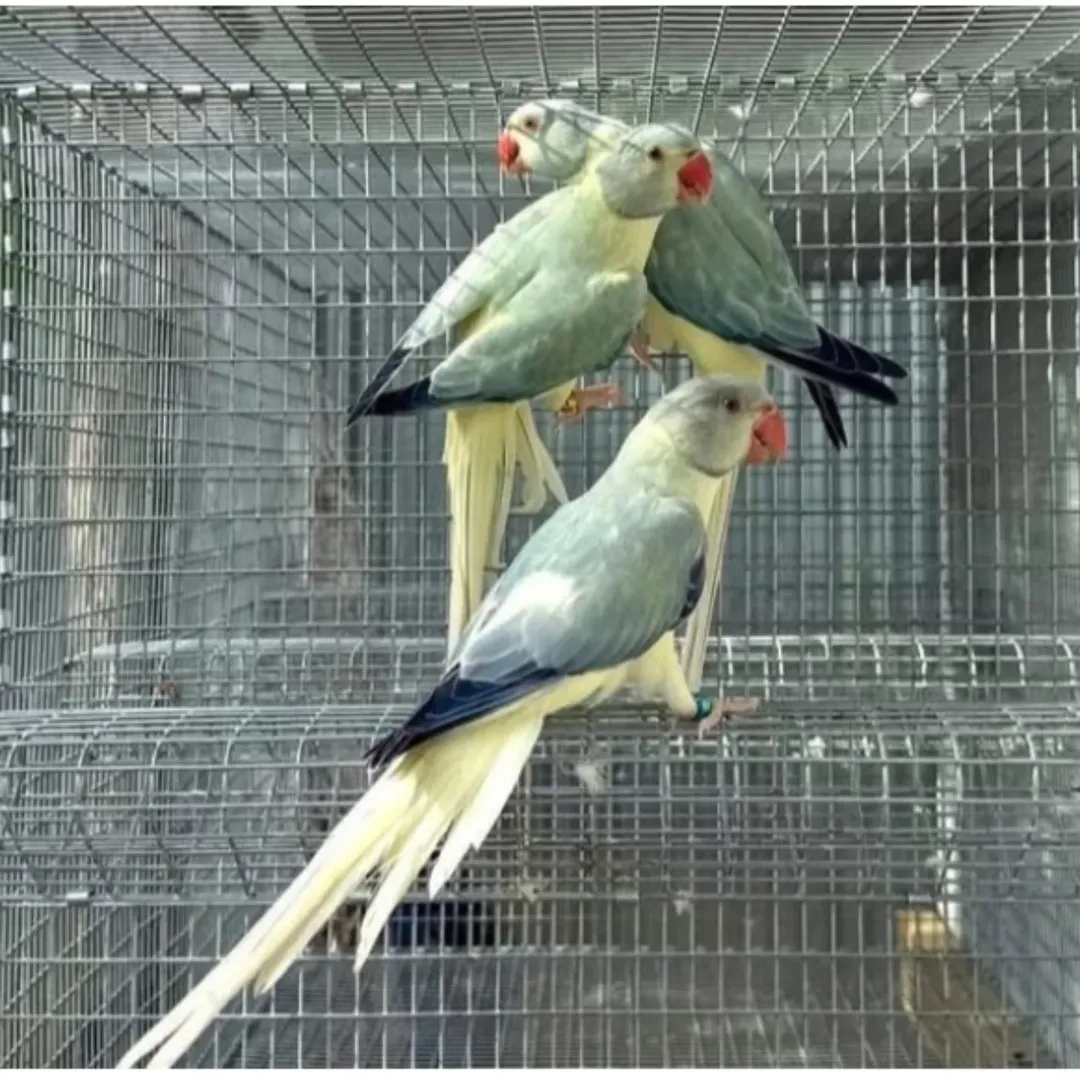
white parakeet
white parakeet enthusiasts often find themselves drawn to these snowy-feathered beauties, but finding the right one means understanding that their striking appearance usually comes from specific genetic mutations rather than being a separate species. As a breeder, I’ve spent years working with these delicate birds, and I can tell you that a white parakeet—often an albino, a double-factor spangle, or a dark-eyed clear—is as unique in temperament as it is in color. They aren’t just “white birds”; they are complex, intelligent companions that require a bit more knowledge to identify and care for properly.
Key Takeaways
- Genetic Diversity: A white parakeet isn’t a single species; they are budgerigars (budgies) whose white appearance is the result of specific mutations like albinism, pied factors, or double-factor spangle.
- Identification: True albinos have red eyes and pink feet, while other white varieties, like dark-eyed clears, will have solid dark eyes.
- Lifespan & Health: Like any budgie, they can live 5 to 15 years with proper nutrition, exercise, and social interaction.
- Care Needs: Because they are often mutations, they thrive on the same high-quality diet of fresh veggies and pellets as their green or blue counterparts.
What Makes a White Parakeet Special?
When you first look at a white parakeet, it’s hard not to be impressed by that crisp, clean plumage. It’s like a little cloud flying around your living room. People ask me all the time, “Mr. Parrot, is that a rare species?” I usually chuckle and explain that, well, it’s all about the genetics. Most white birds you see are budgies—the same species as the common green ones—just sporting a beautiful “mask” caused by genes.
Perhaps the most famous version is the albino. If you see a bird that is pure white with pink eyes and pinkish feet, that’s an albino mutation. It’s quite striking. But then you have the dark-eyed clears or the pied varieties that also display a lot of white. Sometimes, the white is so pure it looks like fresh snow. It’s fascinating, really, how nature—or careful selective breeding—can strip away the melanin to reveal that stunning base color. I think that’s why they’re so popular; they stand out in any flock.
Understanding the “White” Mutations
It’s important to know what you’re looking at when you’re shopping for a white parakeet. I’ve seen many owners get confused because they think all white birds are the same. They aren’t.
- Albino Budgies: These lack melanin entirely. They have those distinct red eyes and light-colored feet. They are very classic, very elegant.
- Dark-Eyed Clears: These birds are a combination of different pied genes. They look like an albino but have dark, soulful eyes. It’s a completely different look, even though the body color might be just as white.
- Double-Factor Spangles: These are another way to get a nearly all-white bird. They might have a faint bit of color, but they often appear almost entirely white to the untrained eye.
It’s worth mentioning that I’ve encountered birds that seem to change color slightly after a molt—though that’s usually more common in mottled varieties—so don’t be shocked if your bird’s “white” intensity shifts just a hair as they grow.
Caring for Your White Parakeet
A white parakeet doesn’t actually need “white bird” care; they need “budgie” care, which is a big commitment! I always tell my customers: don’t let their appearance fool you into thinking they are fragile. They are just as spirited and energetic as any other color variety.
They need plenty of flight time. I’m a huge advocate for large flight cages where they can actually use their wings. And diet? It’s huge. If you feed them only seeds, their feathers will look dull, and they won’t have that vibrant, healthy glow. Fresh broccoli, kale, and bits of fruit make a massive difference. I think people sometimes forget that birds are smart, too. Give them foraging toys. If you don’t keep their brain busy, they’ll find their own “fun,” which usually involves chewing on your favorite baseboards.
Top Considerations for Potential Owners
- Source: Always buy from a breeder who can tell you the specific mutation of the bird. It helps you understand if there are any specific health traits to look out for.
- Socialization: These birds are social creatures. If you’re going to be out of the house all day, you really should consider getting them a companion.
- Space: Even a small white parakeet needs a big cage. Think wide, not just tall. They need to hop and flutter.
- Health Checks: Since they are mutations, it’s never a bad idea to have a vet familiar with avian health take a look at your new friend shortly after you bring them home.
The Future of Your Companion
I often look at the white parakeets in my aviary and think about how far we’ve come in understanding avian genetics. It’s a testament to the beauty of the hobby. Whether you’re drawn to them for their stark, beautiful color or their playful, chirpy personality, you are in for a long, rewarding friendship. Just remember, the color is just the icing on the cake; it’s the bird inside that really makes the bond special.
Conclusion
Bringing home a white parakeet is an exciting endeavor that adds a unique touch to any home. While their snowy feathers make them look delicate, their personalities are as bold and curious as any other parakeet. By focusing on their specific needs for high-quality nutrition, mental stimulation, and a safe environment, you’re setting yourself up for years of companionship. Remember to look for a reputable breeder who understands the specific genetics of your bird, and always prioritize the health of the individual above the specific color variety. I’ve found that once you welcome one into your life, the rest of the flock—no matter their color—just doesn’t seem quite as bright.
Frequently Asked Questions
Q: Are white parakeets more prone to health issues because of their color?
A: Generally, no. A white parakeet is typically as healthy as any other color variety, provided they are bred responsibly. Because their white color is the result of recessive genes or specific mutations, they aren’t inherently “weaker” than green or blue birds. However, like any bird, their health depends heavily on diet, environment, and genetics. It’s always best to work with a knowledgeable breeder who prioritizes the health and vigor of the entire flock rather than just breeding for a specific color, as this ensures your bird has a robust start in life.