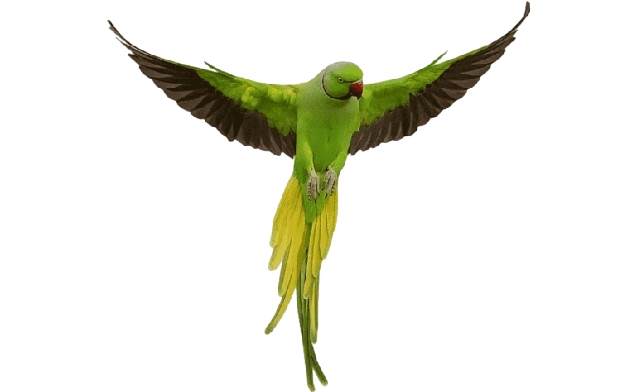
what is a parakeet
what is a parakeet? That’s the question I get asked most often when someone first walks into my aviary, eyes wide with wonder at the flash of color and the constant, happy chatter of these little birds. If you are looking for an answer, think of a parakeet as a miniature, high-energy parrot—a bird that fits a massive, bold personality into a tiny frame. I’m mr. Parrot, and after years of breeding and living alongside these delightful creatures,
I’ve come to realize that they are misunderstood by many who see them just as “starter pets.” They are, in reality, complex, intelligent, and deeply social companions that demand respect and genuine engagement. In this guide, I’m going to break down exactly what makes these birds tick, how their social structures work, and what you need to consider before making one a part of your daily life, because, I think, once you truly understand them, you’ll never look at a “pet bird” the same way again.
Key Takeaways
- Defining the Species: When asking what is a parakeet, realize you are talking about a broad category of long-tailed parrots, with the most common in households being the Budgerigar, or “budgie.”
- Big Brains, Small Size: A parakeet possesses high intelligence, requiring consistent mental stimulation, toys, and social interaction to prevent boredom.
- Commitment Reality: They aren’t just cage ornaments; they are active, vocal, and can live for well over a decade with the right care.
- Dietary Needs: What is a parakeet’s favorite food? Contrary to myths, a healthy parakeet thrives on a varied diet of high-quality pellets, fresh vegetables, and limited seeds, not just a seed-only mix.
What is a Parakeet? Unpacking the Terminology
When you ask, “what is a parakeet?”, you’re actually opening up a fascinating discussion about bird classification. Most people in the Western world are referring to the Budgerigar (Melopsittacus undulatus), a native of the Australian outback. These birds are small, sleek, and incredibly adaptive. However, in other parts of the world, “parakeet” is a catch-all term for many long-tailed, small-to-medium-sized parrot species. If you’re trying to determine what is a parakeet that will suit your home, you have to look at the specific variety. Some, like the Indian Ringneck, are also called parakeets but have very different temperaments and noise levels compared to the smaller budgie.
I often tell potential owners, “Don’t judge the bird by its size.” Even a small budgie has a spirit that could fill a room. They are inquisitive explorers. I remember watching one of my younger birds spend an entire afternoon trying to figure out how a bell worked—it was a simple task, but the focus was intense. This is what you get when you bring one home. They are constantly “thinking” about their environment.
The Social Life of a Parakeet
What is a parakeet without its flock? That’s a question that keeps many breeders up at night. These are fundamentally social animals. In the wild, they move in huge, synchronized flocks, constantly communicating with whistles and chirps. When you bring one into your home, you become the flock. If you are away for ten hours a day, a single bird will likely suffer from loneliness, which can manifest in plucking or lethargy.
Many people ask me, “what is a parakeet going to do if I’m at work?” My answer is always the same: if you can’t commit to at least a few hours of dedicated interaction, you should strongly consider getting a pair. They entertain each other, groom each other, and maintain that social security that they crave. It’s a joy to watch them interact; it’s like watching a private conversation.
What is a Parakeet’s Ideal Setup?
When setting up for your bird, think about their natural habits. In answering what is a parakeet’s “dream home,” it’s always about space and freedom. They don’t just perch; they fly, climb, and forage. A narrow, vertical cage is okay for a canary, but for a parakeet, you need length. They need to be able to stretch their wings and move from one end to the other.
I’ve seen many owners struggle with the “what is a parakeet diet” question. It’s a common point of confusion. Many store-bought seed mixes are too fatty, like giving a child nothing but candy. A truly thriving bird gets a mix of high-quality, organic pellets, fresh, dark leafy greens, and occasionally, small bits of fruit. It takes time to switch them over, though. They are wary of new things—I suspect it’s a survival instinct from their wild ancestors—so you have to be patient.
Listicle: Top Considerations for Prospective Owners
- The “Big Parrot” Mentality: Even the smallest parakeet acts like a macaw in a tiny body. They are bold, often loud, and very opinionated about their surroundings.
- The Search for Quality: When you ask, “what is a parakeet breeder like?”, look for someone who prioritizes health over color mutations. A breeder should be able to tell you about the bird’s personality, not just its price.
- Ongoing Education: Your learning doesn’t stop when you bring the bird home. You’ll be constantly researching “what is a parakeet health sign?” or “why is my bird doing this?” It’s a lifelong process of observation.
- Veterinary Care: Not all vets treat birds. Before you even get your parakeet, find an avian-certified vet nearby. It’s crucial.
- Environmental Safety: What is a parakeet-safe home? One without toxic fumes from non-stick pans, without open water containers, and without other predators like cats or dogs having unsupervised access.
Preparing for Your New Companion
If you are at the stage of deciding if this bird is right for you, look inward. Do you enjoy quiet observation? Do you like the idea of a pet that interacts with you rather than just sitting there? When someone asks, “what is a parakeet like as a pet?”, I tell them it’s a partnership. You aren’t just feeding an animal; you are building a friendship. It requires patience. Sometimes they will be loud. Sometimes they will be messy. But the moment they land on your finger and start chirping softly, you realize that the trade-off is worth it.
I’ve spent a lifetime around these birds, and I still learn something new every week. They have moods, they have favorites, and they have clear dislikes. Understanding what is a parakeet to you personally—whether it’s a companion for your kids or a quiet friend for your desk—will help you make the right choice when it comes to selecting the individual bird.
Conclusion
Ultimately, defining what is a parakeet depends on the relationship you build with them. They are tiny bundles of energy, intelligence, and color that can bring a surprising amount of life into a home. By understanding that they are not low-maintenance pets but rather social, thinking beings, you set yourself up for a successful journey. Always remember: the time you invest in their care, their diet, and their socialization is the exact amount of joy and companionship they will return to you. If you are ready to make that commitment, these little birds will reward you every single day.
Frequently Asked Questions
Q: What is a parakeet’s typical lifespan and how can I ensure they live a long, healthy life?
A: A well-cared-for parakeet, such as a budgie, can live anywhere from 10 to 15 years, though some even exceed this. To ensure a long life, the most critical factors are a high-quality, varied diet—moving away from a seed-only base—and maintaining a clean, stress-free environment. Regular check-ups with an avian-specialized veterinarian are vital, as birds are masters at hiding illness until it is quite advanced. Providing plenty of mental stimulation through safe toys and daily interaction prevents the kind of psychological stress that can lead to physical ailments. Ultimately, what is a parakeet’s best chance at a long life? It’s an owner who stays observant and proactive about their daily wellness.