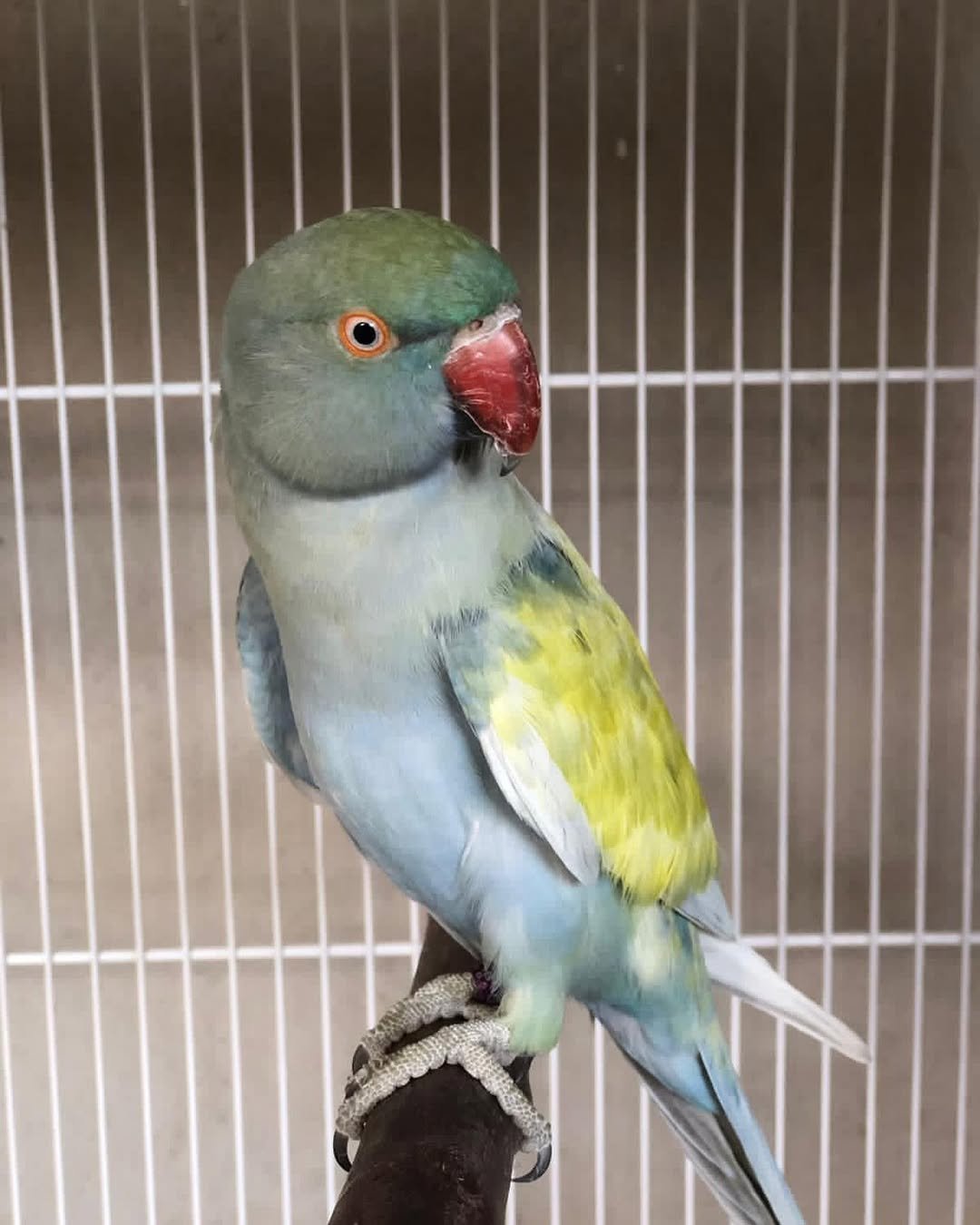
ringneck parakeet
Ringneck parakeet care is a deeply rewarding commitment, though it requires a unique understanding of these clever, independent, and sometimes opinionated birds. These are not your typical “sit-on-the-shoulder” companions; they are high-energy, intelligent, and incredibly vocal parrots that thrive when given the proper space and mental engagement. Whether you are already a bird enthusiast or looking for your first long-term avian partner, mastering the essentials of ringneck parakeet husbandry is the only way to ensure your feathered friend remains a vibrant, healthy, and happy member of your family for the next 20 to 30 years.
Key Takeaways
- Space is Non-Negotiable: Because of their long tails and athletic flying ability, ringneck parakeet housing must be spacious—the larger, the better—to prevent frustration and health issues.
- Active Mental Engagement: Boredom is the enemy. Regular rotation of complex, chewable toys and daily social interaction are vital for a well-adjusted ringneck parakeet.
- Balanced Nutritional Profile: Relying solely on seeds is a recipe for malnutrition. A high-quality pelleted diet, supplemented with fresh vegetables, fruits, and grains, is essential for a thriving ringneck parakeet.
- Trust-Based Training: Patience is your greatest tool. Building a bond with a ringneck parakeet requires respecting their body language, moving slowly, and using positive reinforcement rather than force.
Understanding Your Ringneck Parakeet: The Basics
When I talk to people interested in a ringneck parakeet, I always start by saying: these birds have “big parrot” personalities packed into a medium-sized body. They’re smart, they can talk, and they can be incredibly sassy. I think that’s why I love them so much, but it’s also why they aren’t for everyone. If you’re looking for a bird that will just sit quietly in a cage all day, a ringneck parakeet probably isn’t the right choice. They need to be part of the “flock” and will demand your attention, often with loud, exuberant calls that show off their zest for life.
Owning a ringneck parakeet means accepting that their intelligence requires a constant supply of “work.” They love to solve puzzles, take things apart, and test the limits of their environment. If you don’t provide outlets for this behavior, you might find your furniture or trim becoming a target. Proper ringneck parakeet care is really about managing that natural drive for exploration and destruction in a way that’s safe and satisfying for them.
Creating the Perfect Habitat for Your Ringneck Parakeet
A ringneck parakeet with a small, cramped cage is a recipe for behavioral problems. Because they are such strong, fast flyers, they need a cage that allows them to move comfortably. I recommend a minimum size of 36x18x24 inches for a single bird, but if you have the room, go bigger. They need to stretch their wings and, ideally, spend several hours each day out of the cage in a safe, bird-proofed area.
When setting up your ringneck parakeet habitat, focus on variety. Perches should vary in thickness and texture to keep their feet healthy, and they need a constant rotation of wooden toys. I’ve noticed that mine go through wooden blocks, rawhide strips, and plastic rings like it’s their job. That’s a good thing! Chewing is a natural behavior for a ringneck parakeet, and providing them with safe, destructible toys is much better than having them chew on your window sills. Remember, a bored ringneck parakeet is often a loud or destructive one.
Nutrition and Diet: Feeding Your Ringneck Parakeet
I cannot stress this enough: a seed-only diet will eventually shorten your bird’s life. While seeds are okay as a treat, a healthy ringneck parakeet diet should be composed of 60–80% high-quality, formulated pellets. The rest of their diet should be a diverse mix of fresh, nutrient-dense vegetables—kale, broccoli, and carrots are some of my personal favorites to offer.
Feeding a ringneck parakeet is also a great opportunity for bonding. I often use small pieces of fruit, like apple or papaya, as training rewards. It’s also interesting to note that many of these birds enjoy dunking their food in water. If you notice your ringneck parakeet doing this, don’t worry; just make sure you’re cleaning the water bowl frequently to keep bacteria at bay. Consistency in their meal schedule also helps them feel secure, which is a big part of successful ringneck parakeet care.
Training and Bonding with Your Ringneck Parakeet
If you want a ringneck parakeet that is tame and affectionate, you have to earn it. These birds are sensitive to their environment. If you approach them too quickly or forcefully, they will naturally be afraid. I’ve found that the best approach is to start with “passive” training: just sitting near the cage and reading or talking to them without direct eye contact. Let them get used to your presence before you ever try to offer a treat.
Once they trust you, target training is a fantastic way to engage their brain. A well-trained ringneck parakeet is a confident one. Use a clicker or a consistent verbal cue to reward them when they follow a target or step onto a perch. Never punish them for not wanting to interact; instead, respect their boundaries. If a ringneck parakeet shows you they aren’t in the mood, give them space. A bird that knows its boundaries are respected is much less likely to bite.
Top Considerations for Choosing a Ringneck Parakeet
When searching for a new companion, the “breeder” you choose matters just as much as the bird itself. Here is what I always look for before welcoming a new ringneck parakeet into the fold:
- Transparency: A good breeder will be happy to let you see the facility. If they are evasive, it’s a red flag.
- Environment: The birds should have access to natural light and adequate space. A healthy ringneck parakeet starts life in an environment that mimics their natural needs.
- Dietary Standards: Ask if the chicks are being weaned onto a variety of fresh foods and pellets. A bird already used to a healthy diet is one step ahead.
- Socialization: How much human interaction does the young ringneck parakeet receive? Birds that are handled gently from a young age are generally more confident and less prone to fear-based behaviors.
- Health References: Reputable breeders often work with avian veterinarians and can provide health records.
Conclusion: The Commitment to Ringneck Parakeet Care
Bringing a ringneck parakeet into your life is a long-term investment in companionship. They are vibrant, noisy, intelligent, and occasionally challenging, but the joy they bring to a household is truly unique. By prioritizing their physical environment, offering a diverse diet, and engaging their active, curious minds, you’ll find that a ringneck parakeet becomes not just a pet, but a true member of the family. Keep your standards for ringneck parakeet care high, stay patient during the training process, and enjoy the many years of personality that these wonderful birds bring to the table.
Frequently Asked Questions about Ringneck Parakeet Care
Are ringneck parakeets good for beginners?
While many people are drawn to the beauty and intelligence of a ringneck parakeet, they are often considered “intermediate” pets rather than entry-level. They have very specific needs regarding social interaction, mental stimulation, and space. If you are a beginner, it is absolutely possible to succeed, provided you are willing to dedicate the time to research, attend to their daily enrichment, and work patiently through their taming process. They can be quite opinionated and, if neglected, may develop behavioral issues. However, if you are a dedicated, patient person who loves a highly interactive companion, a ringneck parakeet can be an incredibly rewarding experience. Just be prepared for their vocal nature and the significant time commitment required for their daily care and training.