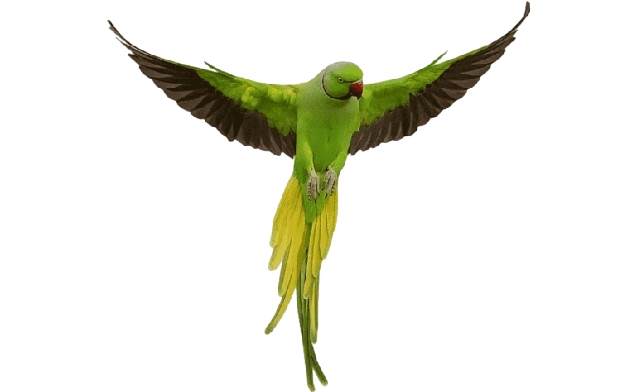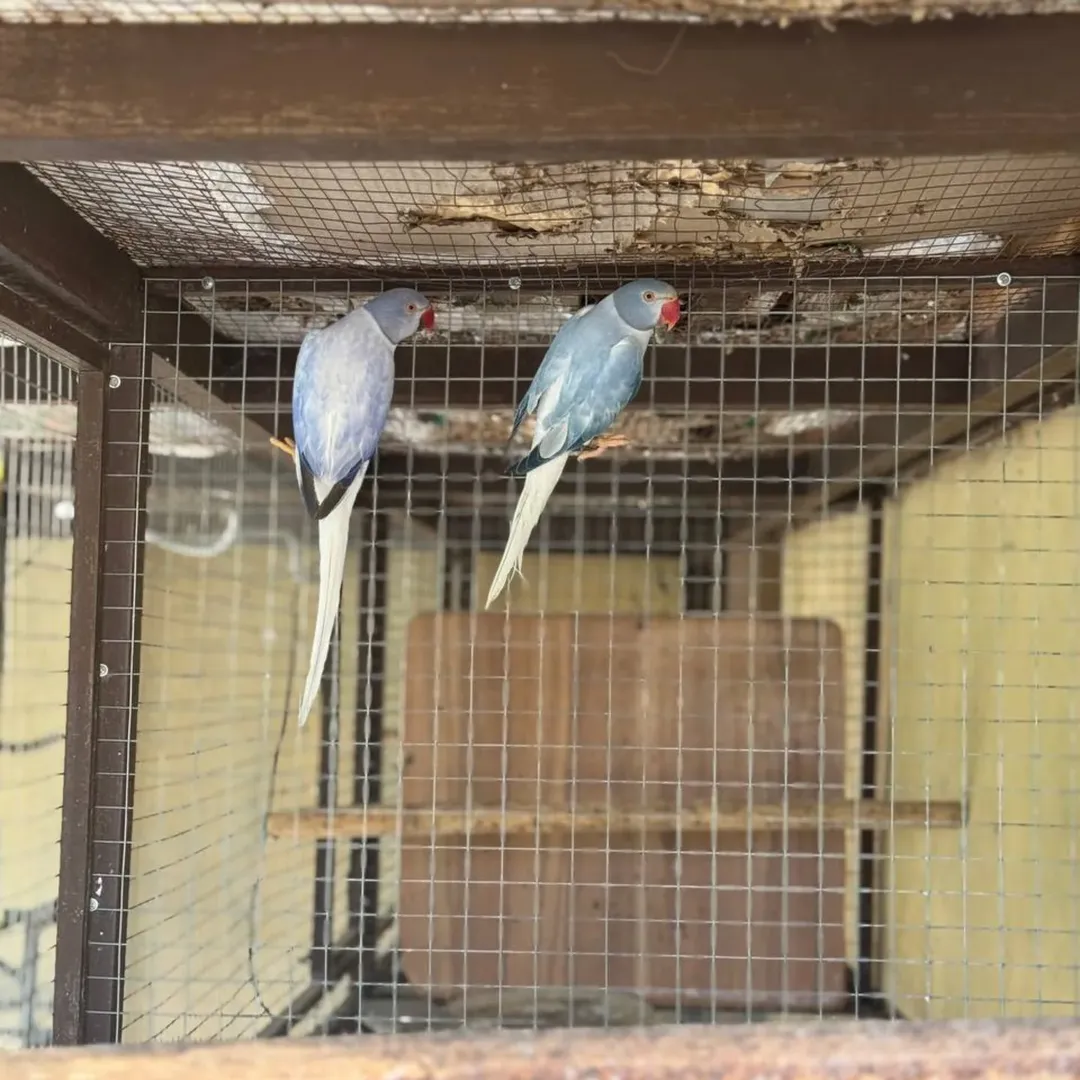
red rump parakeet
Red rump parakeet enthusiasts often tell me that once you’ve experienced the calm, whistle-filled charm of these birds, it’s hard to imagine your home without one. I’m mr. Parrot, and after years of working with these gentle, ground-foraging beauties, I’ve found that they bring a unique, mellow energy that’s quite different from the high-octane personality of many other parrot species. They aren’t just pets; they’re quiet companions that thrive when you give them the right space to move and the simple, honest care they need to really settle into your family.
Key Takeaways
- Gentle Nature: Known for being less demanding and quieter than many other parrot species, making them ideal for those who appreciate a more mellow household pet.
- Active Foragers: These birds love to move, so providing horizontal flight space and ground-level enrichment is vital for their mental and physical health.
- Social Bonds: While they are fairly independent compared to some “cuddly” parrots, they still need daily social interaction with their owners or a compatible companion to stay happy.
- Lifespan & Health: With proper care—including a balanced diet of seeds, pellets, and fresh greens—they can live a long, healthy life, often reaching 15–20 years or more.
Why the Red Rump Parakeet Is the Perfect Choice
When people ask me what makes the red rump parakeet special, I usually point to their temperament. They have a certain… I don’t know, elegance? They aren’t the kind of bird that’s going to scream for your attention the moment you walk through the door. Instead, a red rump parakeet will often greet you with a soft, pleasant whistle. It’s a very grounding sound. I’ve noticed that people who are looking for a bird that doesn’t require a total overhaul of their lifestyle often fall in love with the red rump parakeet for this very reason.
Of course, they’re still parrots. They’re intelligent, they’re curious, and they definitely have their own opinions. But they don’t have that “velcro” personality that some other birds possess, which, honestly, can be a relief for a lot of owners.
Setting Up Their Home: Space and Enrichment
If you’re planning on bringing a red rump parakeet into your home, you have to think about their natural instincts. In the wild, they are ground foragers. This means they are used to moving around on the floor, picking through seeds and grasses. While they obviously need a safe enclosure, please don’t stick them in a tiny, circular cage. It breaks my heart to see that. They need horizontal space—plenty of it—to flutter, hop, and stretch those wings.
I always suggest a cage that’s at least 30 inches long. They need room to really be a red rump parakeet. Inside, mix up your perches. Use natural wood branches of different thicknesses; it’s much better for their feet than those boring, uniform dowels you get at the big-box stores. And toys? Don’t overthink it, but do rotate them. A red rump parakeet loves a good shredding toy or a simple bell to ring when they’re feeling particularly playful.
Nutrition: Feeding Your Red Rump Parakeet
A healthy red rump parakeet is a well-fed one, but “well-fed” doesn’t mean just filling a bowl with sunflower seeds. That’s a common mistake, and it’s a fast track to an unhealthy, overweight bird. In my aviary, we focus on variety. We use a good quality small parrot pellet as the foundation, but then we supplement.
Think of it like a salad bar. I love giving them little bits of chopped broccoli, fresh spinach, or even a slice of apple. And if you really want to see them happy, try sprouted seeds. It’s amazing how much more vibrant they seem when their diet is varied. Remember, these birds are energetic. They need fuel, but they need clean, high-quality fuel. Always keep their water fresh, too. It sounds basic, but I’ve seen more health issues stem from dirty water than just about anything else.
Understanding the Breeding Instinct
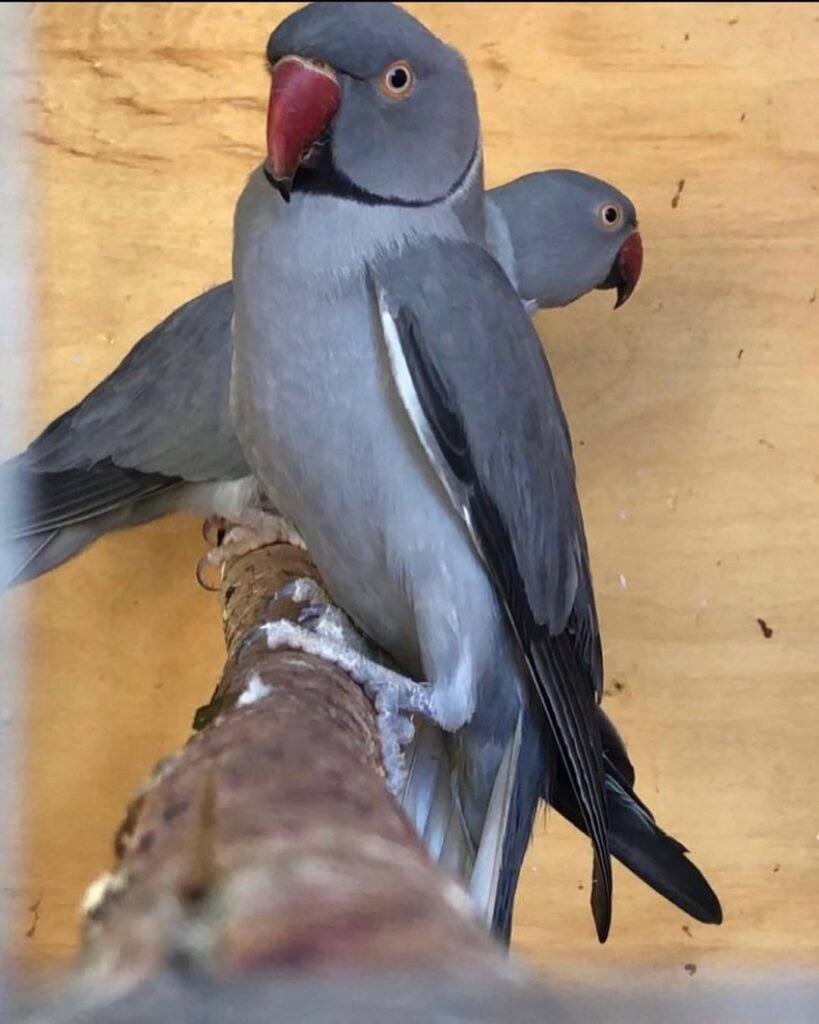
If you end up with a pair of red rump parakeet birds, you might find that the “breeding bug” hits them pretty hard. They are, quite frankly, very prolific. If you aren’t looking to breed them, it’s best to keep an eye on nesting behaviors. If they start looking for dark corners or getting territorial, you might need to adjust their environment—perhaps limiting the amount of nesting material or changing their light cycle slightly.
For those who are interested in breeding, it can be a very rewarding experience with the red rump parakeet. They are usually excellent parents. But be warned: the male can get a bit aggressive once the chicks are on the way. It’s just their way of protecting the family, but it’s something you need to manage closely to ensure everyone stays safe.
Top Tips for New Owners
- Routine is King: Birds, especially a red rump parakeet, are creatures of habit. They feel safe when they know what to expect. Try to feed, clean, and interact at roughly the same times every day.
- The “Wait and See” Approach: When you first bring them home, don’t rush the bonding. Sit in the room and read a book, or just chat with them quietly. Let them realize you aren’t a threat.
- Health Watch: Because they’re prey animals, they’re experts at hiding illness. If your red rump parakeet is sitting puffed up, sleeping at the bottom of the cage, or losing interest in food, get to a vet. Don’t wait for “tomorrow.”
A Breeder’s Guide to Success
I’ve spent a lot of time with the red rump parakeet species, and if there’s one secret I can pass on, it’s that patience is your greatest tool. They aren’t dogs; they won’t always come running when you call. But they will trust you, and in their own way, they’ll show you how much they value your presence. Whether you’re looking for a single companion or a pair to watch grow, remember that the red rump parakeet is a long-term commitment. Give them your best, and they’ll give you years of quiet, whistling joy.
Frequently Asked Questions (FAQ)
Q: Is it true that a red rump parakeet is quieter than other common pet parrots?
A: Yes, generally speaking, the red rump parakeet is much quieter than many other popular parrot species like conures or ringnecks. They do produce a variety of whistles and calls, but their vocalizations are usually soft and pleasant rather than piercing or repetitive. This makes them a popular choice for apartment living or for owners who simply prefer a more tranquil environment. However, remember that “quiet” doesn’t mean “silent”—they are still birds, and they will express themselves! The key to keeping noise levels down is usually ensuring they are happy, well-stimulated, and not stressed, as a bored or anxious bird is almost always a noisier one.
Conclusion
Deciding to bring a red rump parakeet into your home is a decision that rewards you with years of gentle, curious, and beautiful companionship. By focusing on a spacious enclosure, a varied and nutritious diet, and the patience to let them grow comfortable at their own pace, you’ll find that these birds are some of the most rewarding pets you could ever own. I’ve seen many families get started with a red rump parakeet and never look back. They’re truly a gem of the parrot world, and as long as you prioritize their health and their need for social interaction, you’re in for a wonderful journey with your new feathered friend.