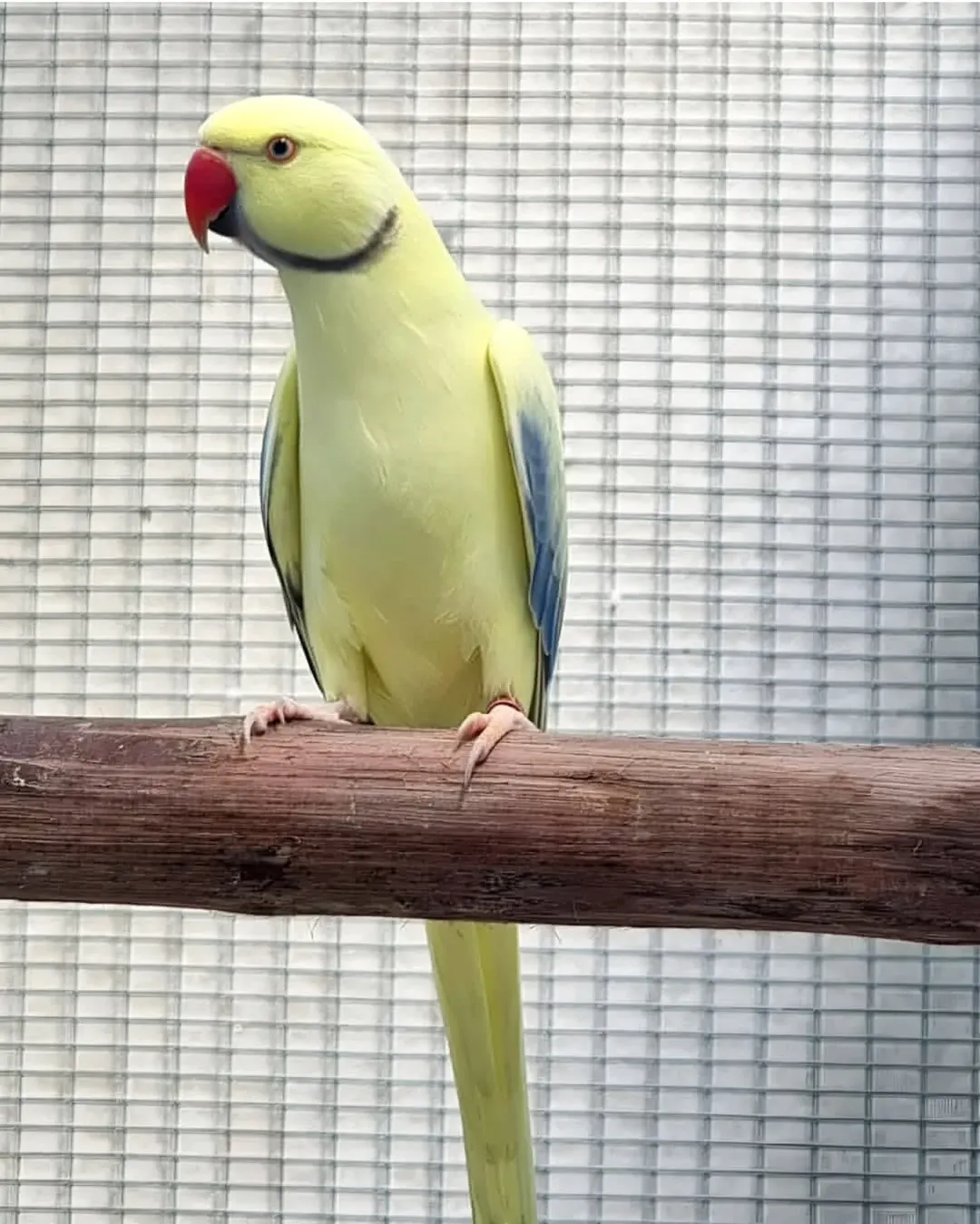
parakeet communities
Parakeet communities are the heart and soul of what makes these birds such incredible companions, whether you’re keeping a single, devoted friend or managing a lively, chirping flock in your home aviary. I’m mr. Parrot, and after years of working with these intelligent, social creatures, I’ve learned that understanding their natural need for companionship—and how they navigate those relationships—is the most important step any owner can take to ensure their birds live happy, healthy, and mentally stimulated lives.
Key Takeaways
- Built for Connection: Parakeets are naturally colonial birds that thrive in groups, relying on social bonds for security, mental health, and daily stimulation.
- The “Solo” vs. “Flock” Choice: Keeping one parakeet can forge a deep, personal bond with you, but it requires you to be their constant companion; a pair or small group provides natural interaction but may reduce the bird’s focus on human training.
- Social Intelligence: Parakeets “test the waters” when meeting new friends, starting with cautious, low-cost interactions before moving to deeper social behaviors like preening and beak touching.
- Environmental Needs: Regardless of whether you have one bird or a group, their environment should mimic their natural need for activity, exploration, and routine to prevent boredom and depression.
Parakeet Communities: Understanding Their Social Nature
When we talk about parakeet communities, we aren’t just talking about a group of birds in a cage. We’re talking about a complex social structure that has evolved over thousands of years. In the wild, these birds are rarely alone. They live in large groups where they share space, look out for one another, and engage in constant, low-level social signaling. I’ve spent countless hours watching my own birds, and it’s fascinating to see how they “test the waters” when they’re introduced to a new friend. They don’t just jump into a relationship; they sit near each other, whistle, and slowly gauge the other bird’s reaction.
For a pet owner, bringing a parakeet community into your home means replicating this sense of belonging. If you only have one bird, you become their community. That’s a big responsibility! It means you need to be the one whistling back, the one offering gentle interaction, and the one providing the mental stimulation they’d otherwise get from a flock.
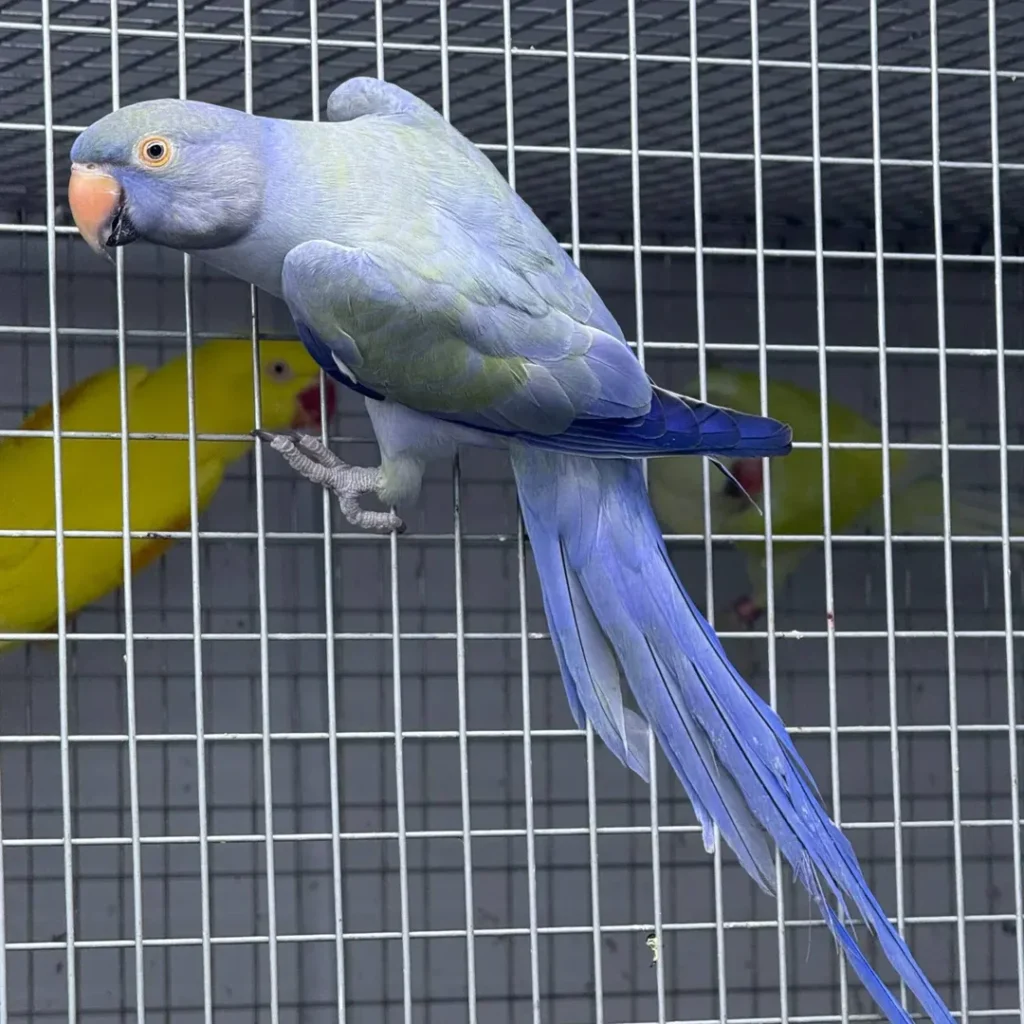
The Dynamics of Keeping a Group
Many people ask me, “Mr. Parrot, should I get two or just one?” It really depends on your goals. A solo parakeet can be exceptionally tame and deeply bonded to you because they view you as their “flock mate.” However, if your work schedule keeps you away from home for long stretches, a single bird can quickly become lonely or depressed.
On the other hand, a small parakeet community of two or more birds will keep each other entertained. They’ll preen one another, chatter, and mimic each other’s calls. It’s a joy to watch, but keep in mind that birds in a group might be less interested in “training” with you because they already have their social needs met by their peers. It’s a trade-off, and both paths can lead to a wonderful experience if you’re committed to their care.
Socialization: Bringing Them Into Your World
Whether you have one bird or five, socialization is the bridge between a timid pet and a confident companion. I always tell my clients to start slow. Your parakeet communities—or your solo bird—need to feel safe before they feel social.
- Build Trust First: Don’t rush into handling. Sit near the cage and talk softly. Let them learn your voice, your movements, and your presence without feeling like you’re an intruder.
- Positive Reinforcement: Use tiny treats like millet or fresh greens to reward calm, curious behavior.
- The “Step-Up” Foundation: Once they trust your hand, simple training like the “step-up” command builds immense confidence and makes routine care so much easier.
Top Breeders and User Guide
If you are looking to start your own parakeet communities, start by finding a breeder who prioritizes the birds’ social development. A good breeder doesn’t just sell a bird; they sell a well-adjusted, socialized individual.
- Seek Reputable Breeders: Look for those who hand-raise their birds and spend time interacting with them daily.
- Health First: Always ensure the birds are active, have clear eyes, and are kept in clean, spacious enclosures.
- Environment Setup: Invest in a cage that is long rather than just tall—parakeets are horizontal flyers.
- Routine: Establish a daily schedule for feeding, light, and interaction. Predictability is the best way to help a new bird feel like they belong to your home “flock.”
Conclusion
Whether you choose to share your life with a solo bird or a budding group of parakeets, remember that these are deeply social animals that rely on you for their happiness. By providing a stable routine, plenty of opportunities for play, and a patient, gentle approach to socialization, you aren’t just keeping a pet—you’re building a lasting, meaningful connection. Watching them thrive as part of your family, interacting with you with curiosity and trust, is truly one of the most rewarding parts of being a parrot lover.
Frequently Asked Questions (FAQ)
Q: If I keep my parakeets in a group, will they still learn to talk or interact with me?
A: Yes, absolutely! Even in parakeet communities, these birds are naturally curious about their “human flock.” While a solo bird might be more inclined to focus on you for socialization, birds in a group will still watch, listen, and learn from you. The key is to spend dedicated time with the group every day—talking to them, offering treats, and allowing them to see you as a trusted part of their social circle. You might find that they even pick up words or whistles from each other and you, making for a very lively and entertaining household! Just be patient; bonding with a group can take a little longer than with a single bird, but the results are just as rewarding.