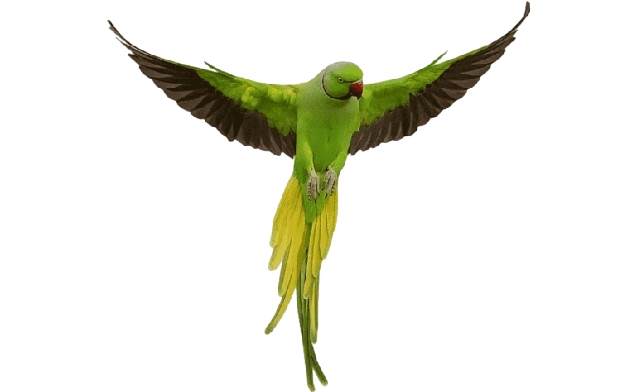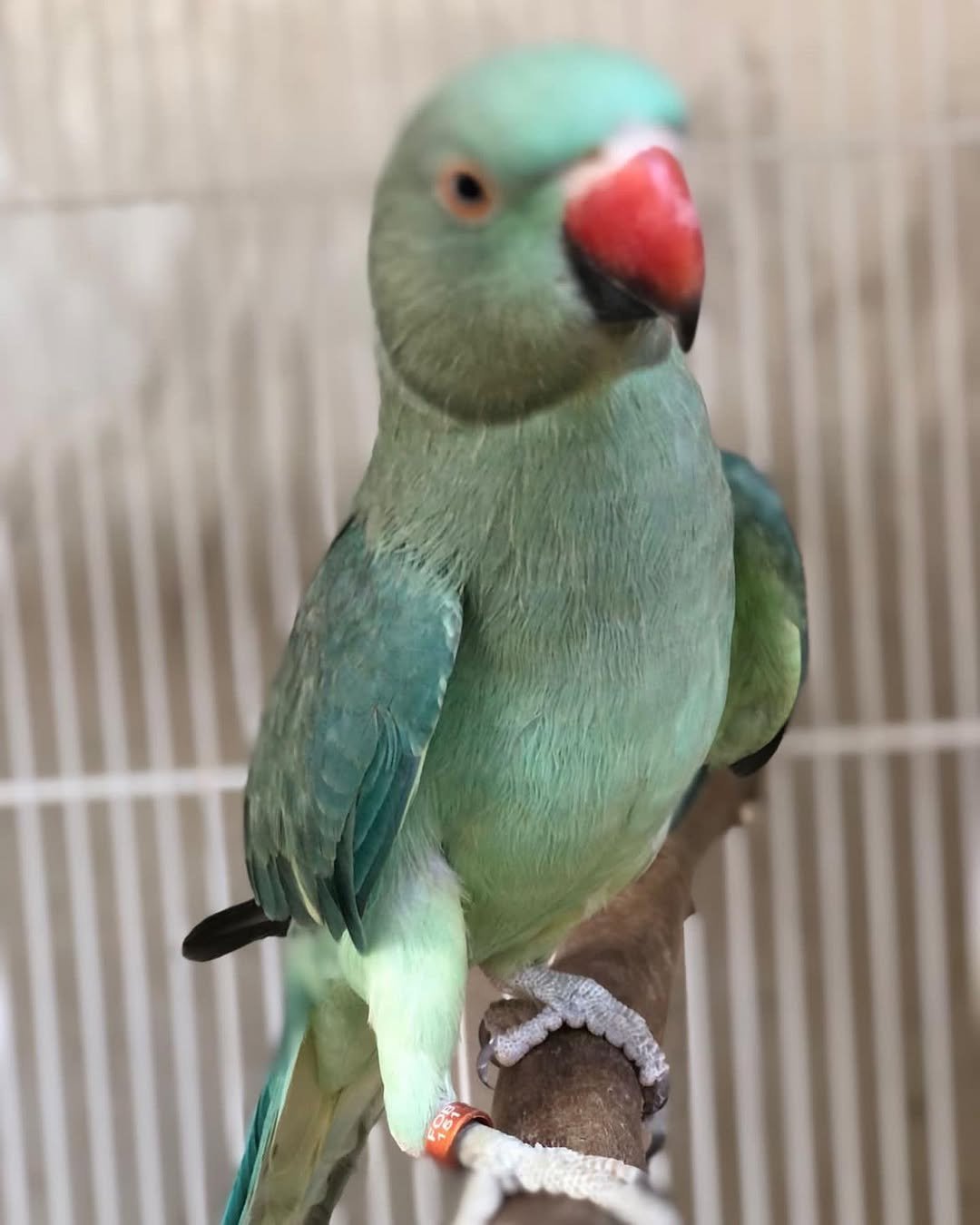
moustache parakeet
Moustache parakeet companions are truly something special, standing out as one of the most striking and intelligent birds you could ever hope to welcome into your home. When I think about what makes these birds such a fantastic choice, it’s that rare balance of a distinctive, “mustachioed” appearance combined with an active, inquisitive personality that keeps life interesting—even if they aren’t the type to just sit and cuddle on your lap all day.
Key Takeaways
- Unique Appearance: Known for their signature black “moustache” stripe and vivid, colorful plumage.
- Personality: Highly intelligent, playful, and curious; they often prefer interactive play over passive cuddling.
- Social Needs: They thrive on consistent, daily human interaction and benefit greatly from being handled from an early age.
- Care Essentials: They require a varied diet, plenty of safe wooden toys for their natural chewing instinct, and a spacious, clean environment.
Why the Moustache Parakeet is a Breeder’s Favorite
The moustache parakeet has been a favorite among those who truly appreciate avian intelligence, and it’s not hard to see why. As a breeder, I’ve worked with many species, but there is something uniquely charming about observing a moustache parakeet as it maps out its environment. They are active, and they love to explore. Unlike some of the more laid-back cousins in the parrot family, a moustache parakeet is often bold and ready to investigate whatever you are doing—whether that’s reading a book or just working at your desk.
I think the reason people fall in love with the moustache parakeet so quickly is that they aren’t just “decorations.” They are participants. If you’re looking for a moustache parakeet to join your family, you’re looking at a bird that will watch you with those bright, clever eyes, waiting for a chance to play or show off their latest vocalization.
Creating the Perfect Environment
If you are planning to bring home a moustache parakeet, your first thought should be about their space. Please, don’t skimp on size. Because a moustache parakeet is such an active, curious flyer, they need a generous habitat. I always recommend a cage that allows them to stretch their wings fully and move between multiple perches without feeling restricted. A moustache parakeet that gets enough physical movement is a happy moustache parakeet.
Beyond just the cage, enrichment is the name of the game. I like to provide my birds with a variety of textures—natural wood branches are a must, as they help with foot health. And let’s talk about chewing. A moustache parakeet has a strong natural instinct to chew; it’s how they interact with their world. If you provide plenty of safe, destructible wooden toys, you’ll find they are much less likely to get into trouble elsewhere. It’s funny, sometimes they’ll spend twenty minutes just working on a single block of wood, while other times they just want to hang upside down and chatter away.
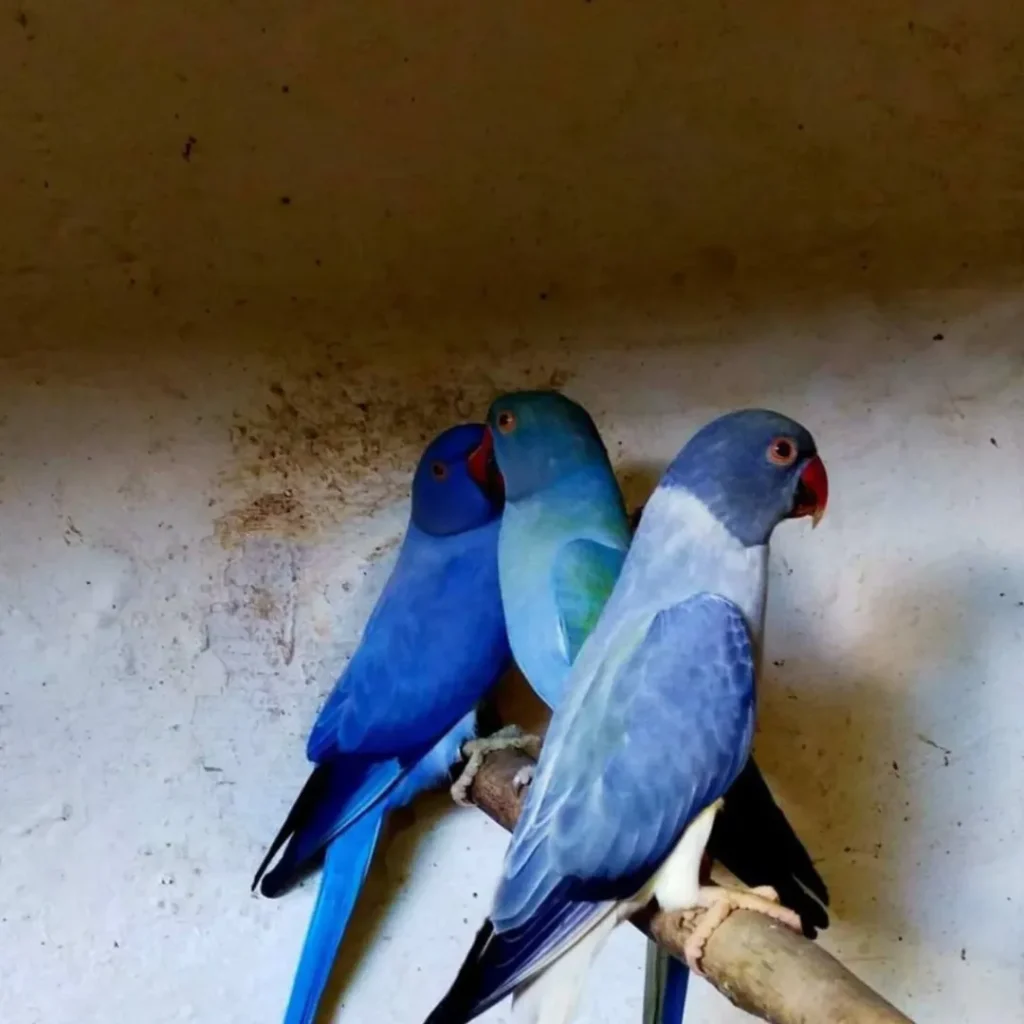
Diet and Longevity: Feeding Your Moustache Parakeet
A healthy moustache parakeet is a well-fed one. In the wild, they are opportunistic foragers, eating a mix of buds, berries, seeds, and even insects. In your home, you need to mirror that variety. I always tell owners to use a high-quality pellet mix as a base, but that shouldn’t be the entire story. You’ve got to incorporate fresh greens and vegetables. Broccoli, spinach, and bits of carrot are usually big hits.
Perhaps the most important thing I tell folks is to be careful with the “junk” food. A moustache parakeet can be a bit of a glutton, especially when it comes to fatty seeds. Keep those as occasional treats. Remember, their long-term health depends on that nutritional variety. A well-cared-for moustache parakeet can live for twenty to twenty-five years, provided they are kept in a clean, stable, and stimulating environment.
Finding the Right Bird: A Breeder’s Perspective
When searching for a moustache parakeet, you’ll want to look for a breeder who understands the nuances of the species. Since they are so intelligent, they require early socialization. A good breeder will be able to tell you about the bird’s personality and ensure the moustache parakeet you’re getting has been properly handled.
- Look for Transparency: A reputable breeder should be happy to show you how they raise their birds.
- Health and Vitality: Always ask about their feeding schedule and what their daily environment looks like.
- Species Expertise: Ensure they aren’t just selling “birds” but are genuinely knowledgeable about the specific, active needs of the moustache parakeet.
Conclusion
Welcoming a moustache parakeet into your life is a long-term commitment, but it’s one that yields so much joy. They are beautiful, smart, and significantly more active than many other parrot companions, making them a fantastic, albeit sometimes “feisty,” friend. If you put in the time to earn their trust and keep their minds busy, a moustache parakeet will reward you with a lifetime of personality and beauty. Just remember, they are individuals—some might love a head scratch, while others prefer to just sit nearby and whistle a tune while they destroy their favorite toy. That’s the beauty of the moustache parakeet.
Frequently Asked Questions (FAQ)
Q: Are moustache parakeets good for people living in apartments?

A: A moustache parakeet can do well in an apartment, but you should be aware of their vocal nature. While they are generally quieter than many larger parrots, they do make contact calls—especially in the morning and evening—to check in with their “flock.” If you are consistent with their training and provide enough toys to keep them occupied, they are often perfectly happy and manageable in a smaller living space. The key is ensuring they have enough mental stimulation so they don’t resort to excessive calling out of boredom. For the right owner who understands their need for social interaction, a moustache parakeet is a very rewarding companion that fits well into many home environments.