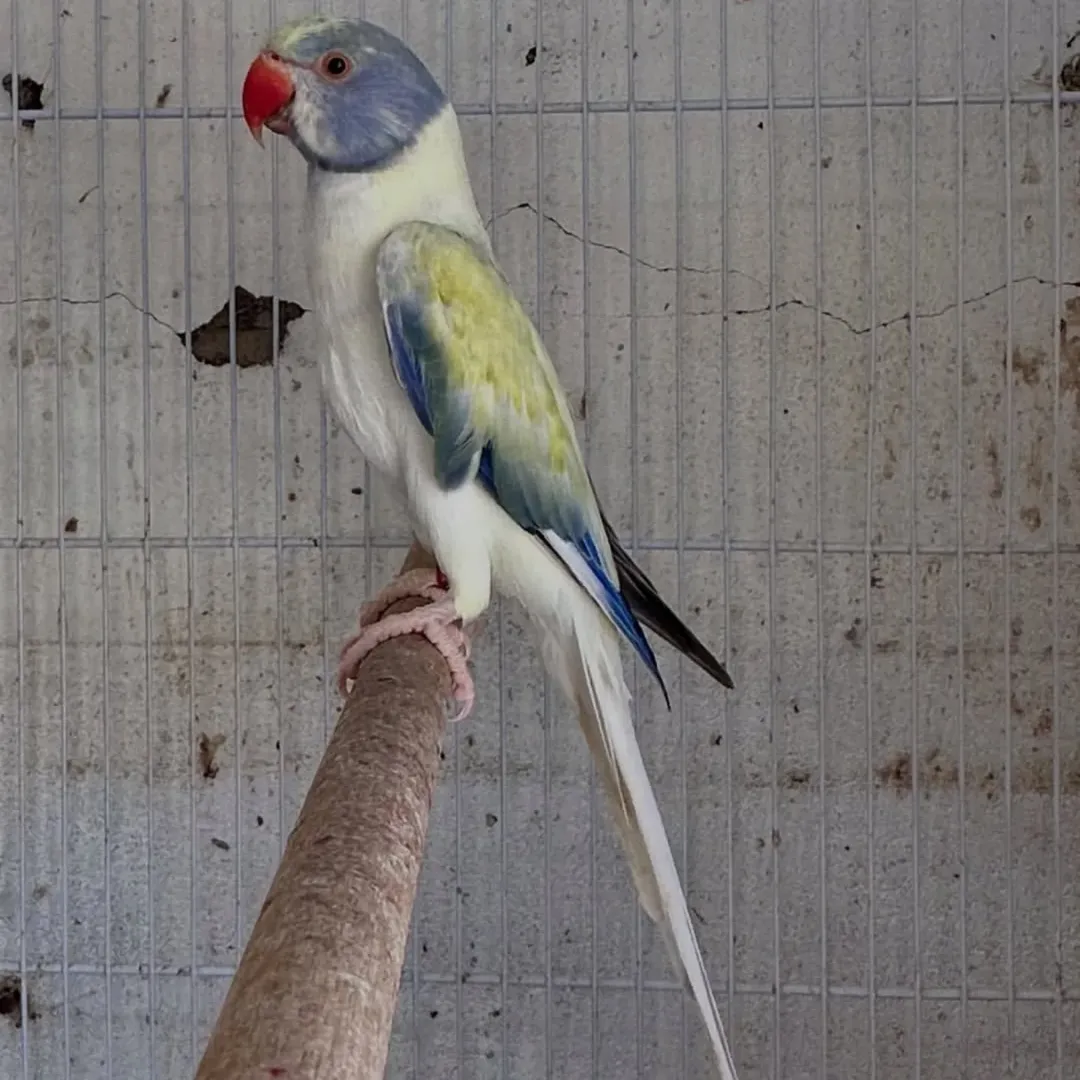
how long do parakeets live
How long do parakeets live is the most common question I get asked when someone walks into my aviary for the first time, and it’s usually followed by a look of surprise when I tell them just how much that number can shift based on the love and attention they receive. If you are looking to bring a feathered companion into your home, understanding that their lifespan isn’t just a fixed genetic lottery, but a reflection of the environment you create, is the first step toward a long-lasting bond.
Key Takeaways
- Average Lifespan: While often cited as 7–15 years, many well-cared-for parakeets regularly reach their late teens or beyond.
- The “Care Factor”: Diet, social interaction, and consistent veterinary checkups are the primary drivers of longevity.
- Environment Matters: A spacious cage, flight time, and mental stimulation are just as critical as the food they eat.
- Recognizing Aging: Subtle changes in activity levels or sleeping habits are normal as they hit their senior years (often around age 6 or 7).
Why How Long Do Parakeets Live Depends on You
When I first started breeding, I used to think the numbers I read in books were absolute. How long do parakeets live? Well, I’ve seen some live well past two decades, while others struggle much earlier. It really comes down to the daily choices we make. I often tell families that a bird is a long-term commitment. It isn’t just about throwing seeds in a bowl; it’s about active, daily engagement.
I’ve noticed that when people ask how long do parakeets live, they are often secretly hoping for a “low-maintenance” pet. But these little guys are incredibly social. If you neglect their mental health, they won’t just be bored; their physical health often declines right along with their spirits. I once had a client who was devastated because their bird wasn’t thriving, and it turned out the cage was tucked away in a quiet, dark room where the bird felt isolated. Once we moved that cage into the heart of the family living area, the change in energy was immediate.
Diet and the Secret to a Longer Life
If you want to know how long do parakeets live, take a hard look at their food bowl. If it’s just a mountain of cheap seed mix, you’re missing the boat. In my experience, the biggest threat to a parakeet’s lifespan is actually obesity and nutritional deficiency. They need variety. I’m talking about fresh leafy greens, little chunks of apple, carrots, and high-quality pellets.
Sometimes I think we forget that they are foragers by nature. In the wild, they’re constantly searching, moving, and eating different things. I like to hide bits of veggies in different parts of the cage or use puzzle toys to make them work for their treats. It keeps their minds sharp. And please, avoid the “filler” snacks. Those sugary honey sticks you see at the store? They’re basically junk food for birds. Keep those to a bare minimum.
The Role of Environment and Exercise
How long do parakeets live is also dictated by the square footage of their home. A round cage? I honestly can’t stand them. Birds need corners to feel secure and, more importantly, they need space to stretch their wings and actually flutter from side to side. If your bird is cramped, they aren’t exercising, and if they aren’t exercising, their heart and lungs aren’t getting the workout they need.
I always suggest letting them out in a safe, bird-proofed room for at least an hour or two a day. Just watch out for open windows, ceiling fans, or kitchen fumes. You’d be surprised how often a simple Teflon pan on the stove can be a silent danger. When they are flying and exploring, they’re not just burning calories; they’re building the confidence and muscle mass that keeps them spry as they get older.
Veterinary Care: The Proactive Approach
People often wait until a bird is visibly sick to call the vet, but by then, it’s sometimes a losing battle. Parakeets are masters at hiding illness—it’s a survival instinct to avoid looking like the “weak link” to predators. That’s why, when I’m asked how long do parakeets live, I emphasize the importance of regular wellness exams. Even if they seem fine, a quick checkup once a year can catch issues like liver problems or mild infections before they turn into emergencies.
I remember one particular bird that came into my care. She seemed perfectly energetic, but a routine fecal test during her exam showed a minor imbalance. We adjusted her diet, and she ended up living several years longer than I initially expected. That, to me, is the power of being proactive. Don’t wait for the symptoms to show up. Be the advocate your bird needs.
Top Breeders and Understanding Species Variations
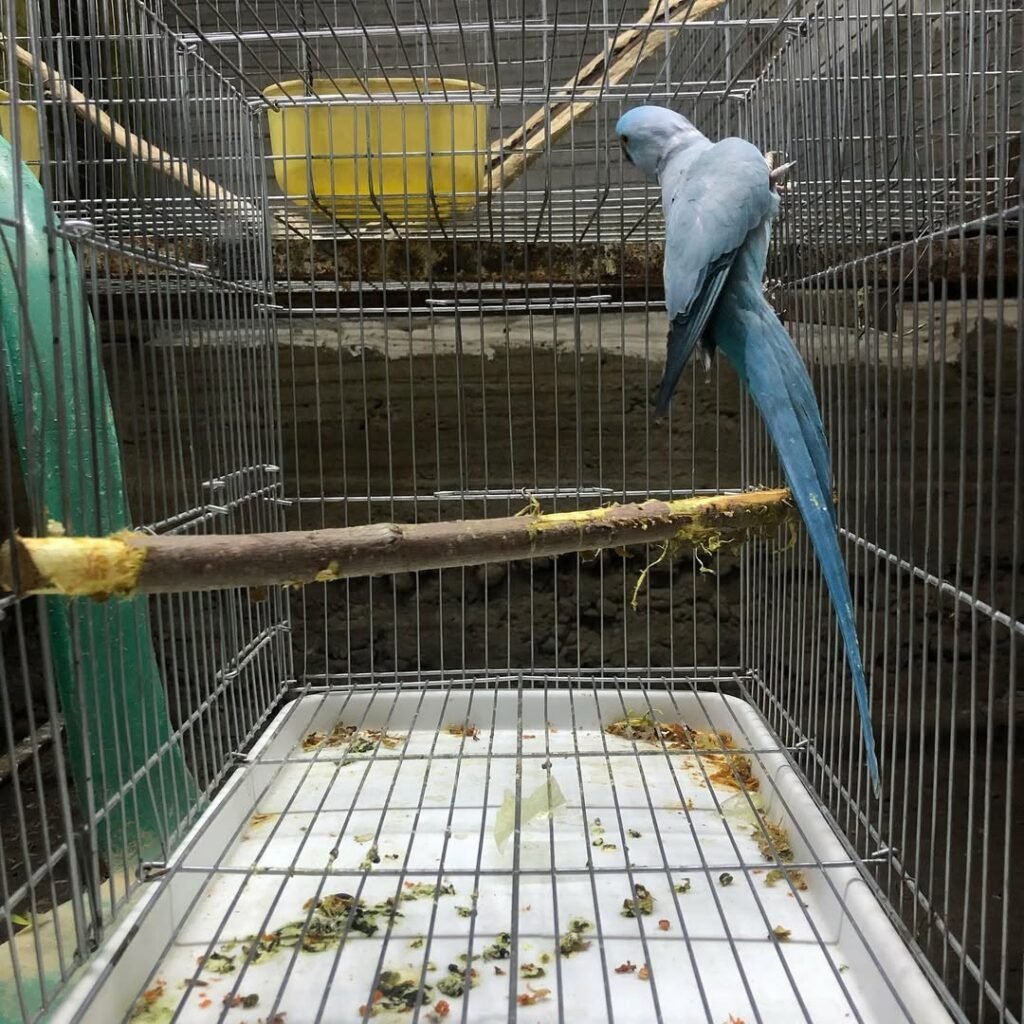
It’s important to note that the answer to “how long do parakeets live” can change based on the specific species. A Budgerigar might have a different lifespan expectation compared to a Ring-Necked Parakeet or a Monk Parakeet. When looking for a breeder, you want someone who prioritizes health over color mutations or speed.
Reputable Breeders & Sources
- Local Avian Specialists: Always look for breeders who offer health guarantees and DNA testing. A good breeder will be happy to show you the parents and the conditions where the birds are raised.
- Rescue and Adoption Groups: Often, you can find older birds that are already settled and looking for a loving home.
- Avicultural Societies: These groups are excellent for connecting with hobbyists who have been breeding specific species for decades.
- Certified Avian Veterinarians: Your local vet can often point you toward the most ethical and high-quality breeders in your region.
Conclusion
At the end of the day, how long do parakeets live is largely a story written by the owner. By providing a balanced diet, a spacious and clean environment, plenty of flight time, and regular veterinary oversight, you are giving your bird the best possible foundation. I’ve spent years working with these wonderful creatures, and I can tell you that the joy they bring back into your life is well worth the effort of being a dedicated, attentive, and sometimes overly cautious “bird parent.” When you put in the time, they really do become part of the family for a long, long time.
Frequently Asked Questions (FAQ)
Q: Can a change in my parakeet’s daily routine signal a health problem related to their lifespan?

A: Absolutely. Parakeets are creatures of habit. If you notice your bird is suddenly sleeping much more during the day, losing interest in toys they usually love, or if their posture seems hunched or their feathers look ruffled, these can be early red flags. Because birds hide illness so well, any shift in their “normal” behavior—especially changes in droppings or appetite—should be checked by an avian veterinarian immediately. It’s always better to be safe and have a “false alarm” than to wait until the bird is truly struggling.