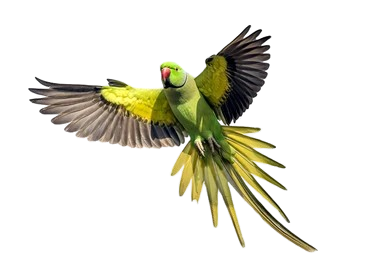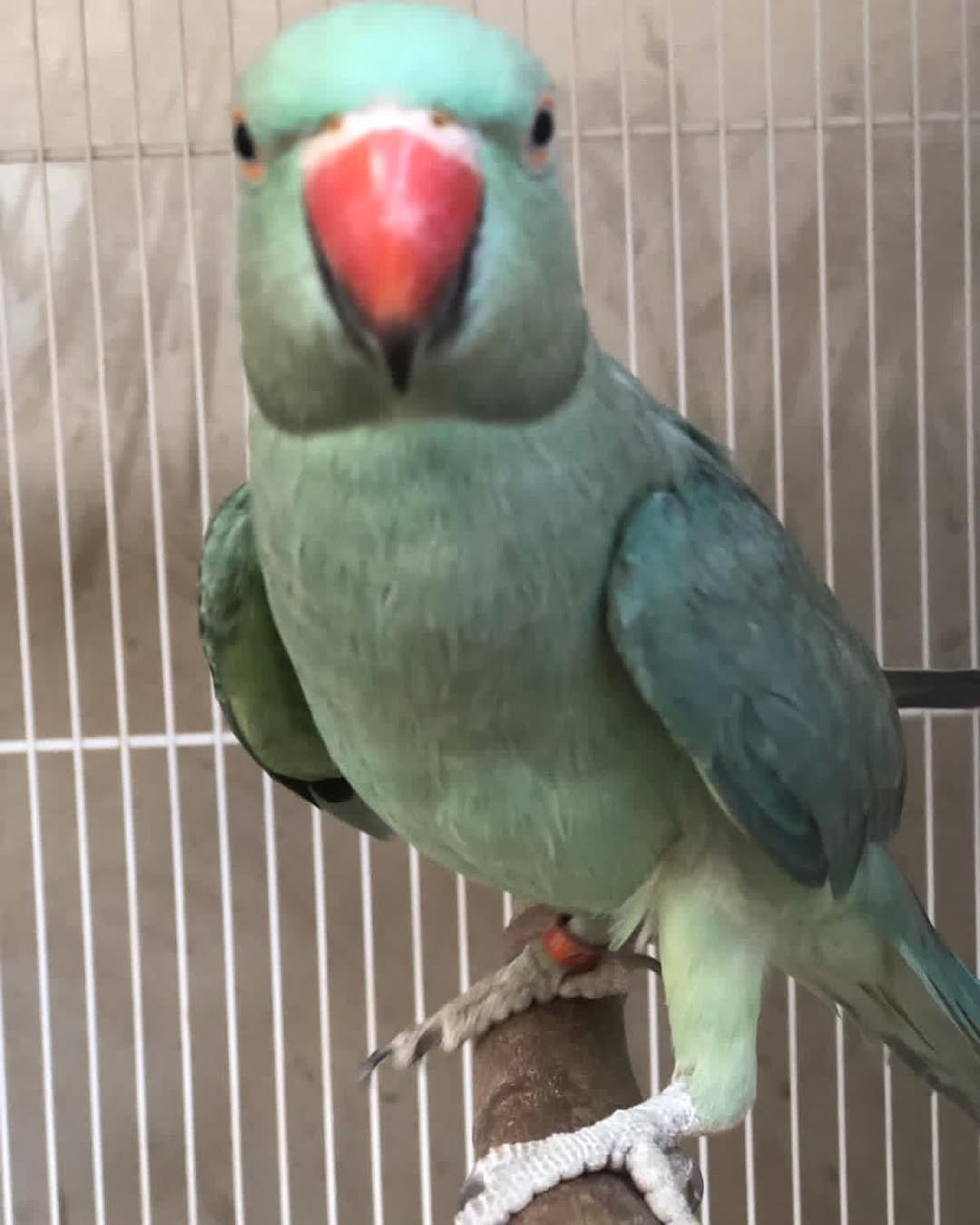
rose-ringed parakeet
Rose-ringed parakeet ownership is a truly rewarding experience for those who appreciate a sharp-witted, vibrant, and sometimes slightly mischievous avian companion. These birds, often called Indian Ringnecks, have been cherished by royalty for centuries, and it’s not hard to see why—they possess an incredible ability to mimic speech and a personality that is as bold as their striking plumage. As a breeder, I’ve found that the secret to a happy life with one of these birds lies in understanding their deep need for intellectual stimulation, a robust social life, and a consistent, loving routine that respects their high-energy, intelligent nature.
Key Takeaways
- High Intelligence: These birds are brilliant and require daily puzzle-solving, training, and enrichment to prevent boredom.
- Social Nature: They are flock-oriented and thrive when they have consistent, high-quality interaction with their human “flock.”
- Vocal Talent: Expect a talkative companion; they are famous for their ability to learn an extensive vocabulary.
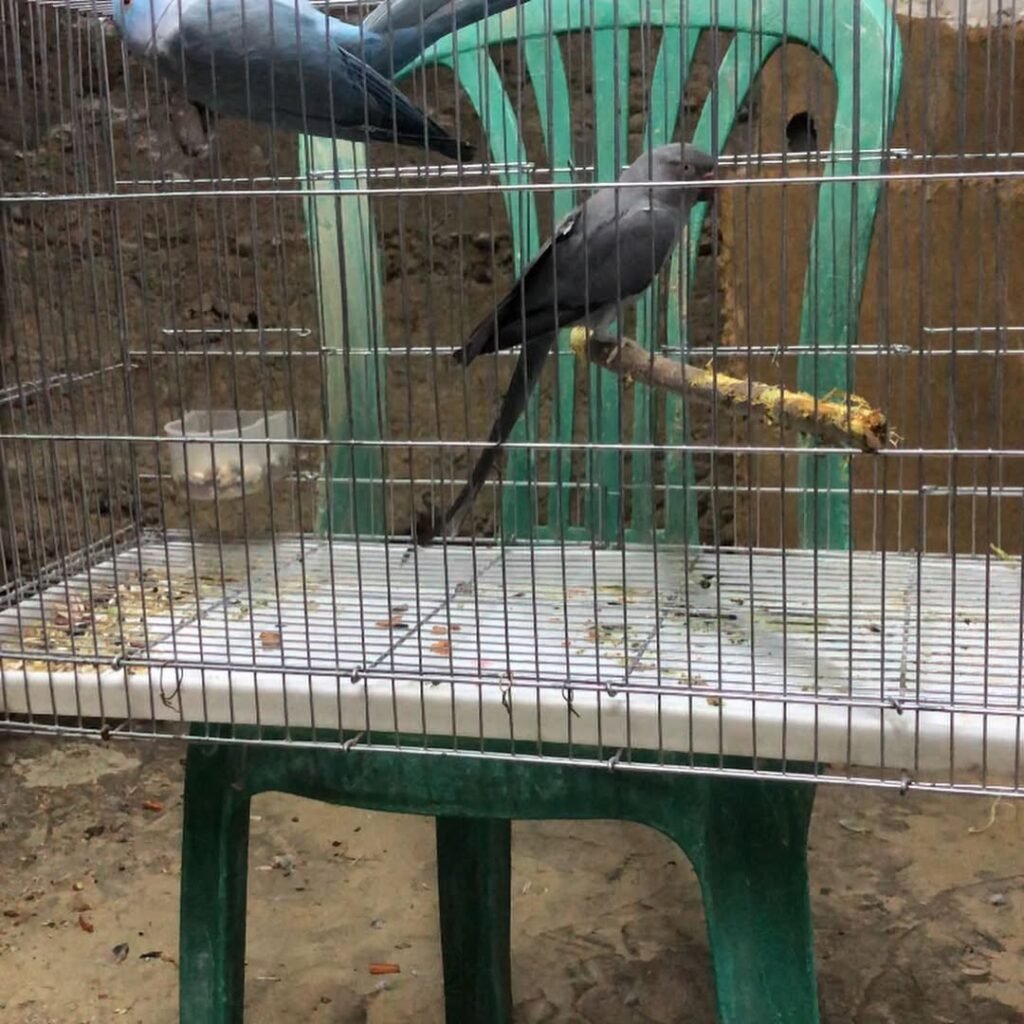
- Housing Needs: Because they are active and love to chew, they require large, sturdy cages equipped with natural wood perches and a variety of safe, engaging toys.
- Dietary Balance: A healthy diet goes beyond seeds; it must include high-quality pellets, fresh vegetables, and occasional fruits to mirror their natural nutritional needs.
Getting to Know the Rose-ringed Parakeet
When you look into the history of the rose-ringed parakeet, you’re looking at a bird that has been a status symbol for royalty and a subject of wonder for ancient civilizations. They are undeniably beautiful, but don’t let those elegant, sweeping tail feathers fool you—these are assertive, high-energy birds with minds that are always racing. I often tell potential owners that if you’re looking for a “decoration” for your living room, this isn’t the bird for you. They want to be part of the action.
Sometimes, people find them a bit demanding. I think that’s because they’re just so smart. They’re like a toddler with wings who is also an expert at picking locks. If you don’t give them something to think about, they’ll find something to destroy. But when you channel that energy into training or foraging games? You end up with a rose-ringed parakeet that is a joy to be around.
The Importance of Enrichment and Mental Activity
A rose-ringed parakeet is essentially a problem-solver in a feathered suit. In the wild, they spend their days foraging, socialising, and navigating a complex environment. In your home, you have to recreate that. I always emphasize to my clients that their cage should be more than just a place to sleep—it’s their office, their gym, and their playground.
I’m a big fan of natural wood perches rather than the smooth dowels you buy at the store. The varying textures are much better for their feet, and let’s be honest, they’re way more fun to chew on. And believe me, they will chew. Providing safe, wood-based toys isn’t just a suggestion; it’s a necessity to keep those sharp beaks healthy and occupied. If you see your rose-ringed parakeet happily shredding a bit of wood or solving a puzzle for a piece of millet, you’re doing it right.
Nutrition and Daily Care
You might see rose-ringed parakeet seed mixes in every pet shop, but please, don’t stop there. A seed-only diet is a recipe for health issues down the line. I always lean toward a base of high-quality pellets, supplemented with a diverse mix of fresh greens—think kale, broccoli, and carrots—and the occasional fruit treat.
It’s also about the “how.” Don’t just dump food in a bowl and walk away. Sometimes, I’ll hide bits of their favorite treats inside a folded piece of paper or a cardboard roll. It turns a mundane meal into a game. It’s these little, thoughtful touches that really build the bond between you and your rose-ringed parakeet. They notice the effort, and they appreciate the challenge.
Socialization: Building a Lasting Bond
A rose-ringed parakeet isn’t a bird that wants to be left alone in a corner. They’re flock creatures. If you’re at work all day, make sure your evenings are dedicated to them. Talk to them! They are legendary mimics and will often start picking up your favorite phrases or whistles. It’s one of the most delightful parts of the experience.
But, a word of caution: they can be a bit sensitive to your moods. If you’re rushing around, stressed or hurried, they’ll pick up on that energy. I find that when I sit down to handle my birds, I have to consciously slow down my movements and keep my voice low. It’s like a meditation session for both of us. If you’re patient, you’ll find that a rose-ringed parakeet can become a remarkably affectionate and loyal partner.
User Guide: Choosing and Caring for Your Bird
If you’re ready to bring a rose-ringed parakeet into your home, here are a few things to keep in mind:
- Space is Key: The longer they spend in the cage, the bigger that cage needs to be. Aim for plenty of horizontal space for flight.
- Handling: Start slow. If they’re nervous, use a treat to reward them for just being near your hand. Never force them.
- The “Beak-Boop”: This is a great first trick. It rewards them for interacting with your hand without needing to step up right away. It builds confidence.
- Cleaning: Keep those water and food bowls spotless. Bacteria builds up fast, and these birds deserve a clean environment.
- Patience: These birds have big personalities. Some days they’ll be cuddly, and other days they might be a bit “sassy.” Accept them for who they are.
Conclusion
Deciding to welcome a rose-ringed parakeet into your life is a big step, but it’s one that offers years of amusement and deep connection. They aren’t the easiest birds to keep, but their intelligence and charisma make them absolutely worth the effort. By focusing on their need for mental stimulation, providing a nutritious and varied diet, and treating them like the intelligent flock members they are, you’ll find that a rose-ringed parakeet quickly becomes the heart of your home. Just remember to take your time, keep things fun, and listen to what your bird is trying to tell you—they usually have plenty to say!
Frequently Asked Question
Q: Are rose-ringed parakeets good talkers, and how can I help mine learn to speak?

A: Yes, they are exceptional talkers! The secret to teaching a rose-ringed parakeet to speak is repetition and enthusiasm. Talk to them clearly and slowly, using the same phrases during consistent parts of your day—like saying “Good morning” every time you uncover the cage. I’ve noticed they seem to pick up on high-pitched, excited tones the best. Keep training sessions short and positive, and always reward them with a favorite treat immediately after they attempt a sound. Don’t worry if it takes time; some birds are naturally chattier than others, but with enough patience and daily practice, your bird will likely surprise you with a surprisingly large vocabulary!