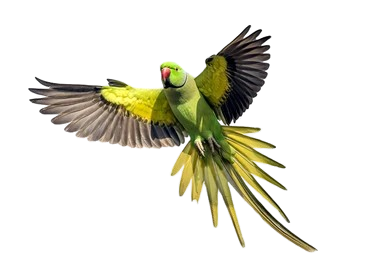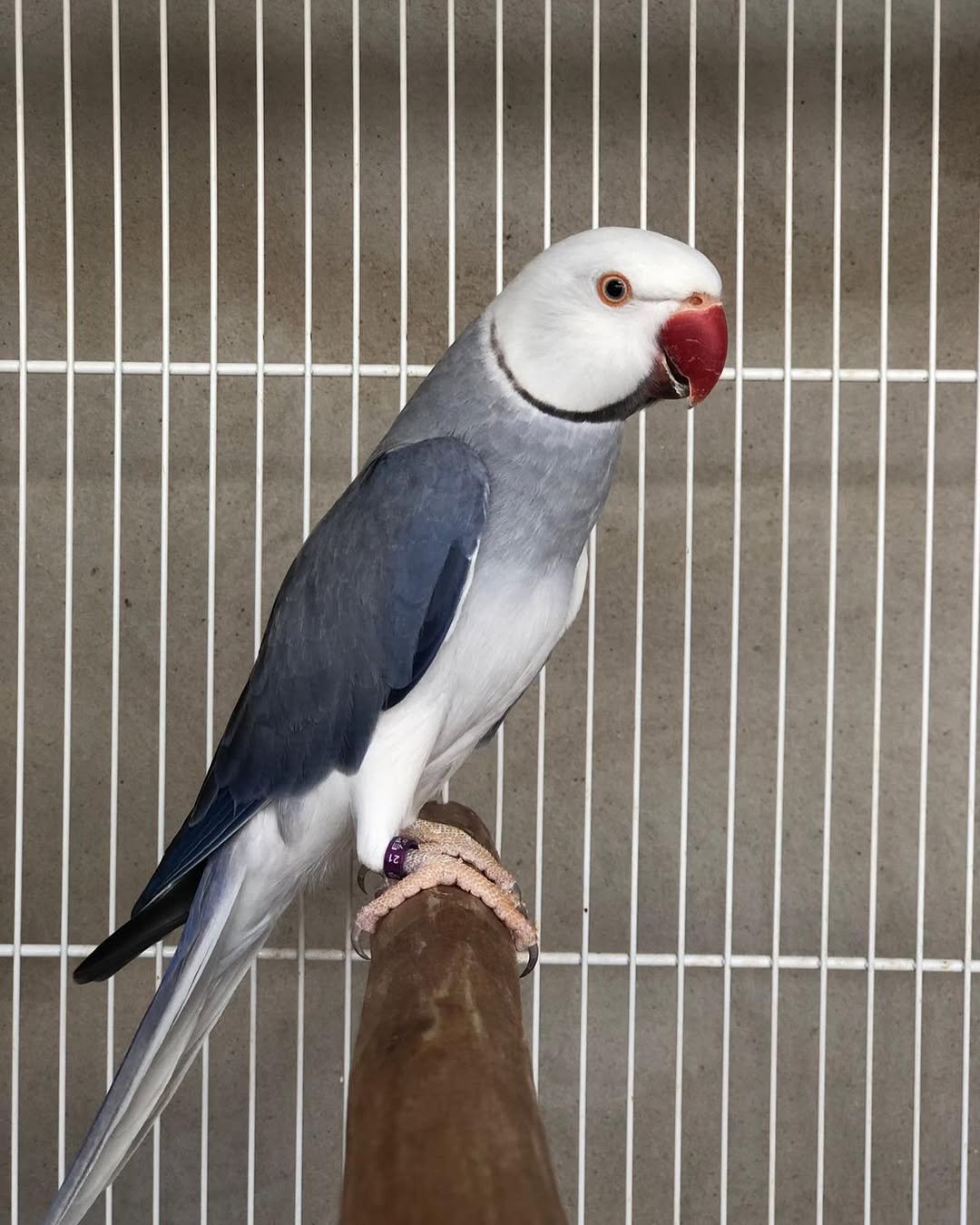
alexandrine parakeet
Alexandrine parakeet owners often tell me that life with these intelligent birds is a journey of discovery, and I couldn’t agree more, as these majestic parrots bring a unique blend of elegance and spirited personality into any home prepared for their needs. As someone who has spent years working with these remarkable creatures, I’ve seen firsthand how a well-socialized alexandrine parakeet can become a deeply devoted companion, though they certainly aren’t a “set it and forget it” kind of pet. If you are looking for an alexandrine parakeet, you are embarking on a long-term commitment that rewards patience with an incredibly bright, vocal, and affectionate friend.
Key Takeaways
- Space Matters: An alexandrine parakeet needs significant room; a spacious cage is the absolute minimum, while a large indoor or outdoor aviary is ideal.
- Social Interaction: These birds are highly social and thrive on daily engagement; without consistent attention, an alexandrine parakeet may become bored or stressed.
- Dietary Needs: A high-quality pellet base, supplemented with fresh vegetables, fruits, and safe sprouts, is essential for their long-term health.
- Lifespan Commitment: Be prepared for a long-term partner, as a healthy alexandrine parakeet can live for 25 to 40 years.
- Enrichment: Use puzzle toys and foraging activities to keep their sharp minds occupied and prevent destructive chewing habits.
Why Choose the Alexandrine Parakeet?
The alexandrine parakeet is truly one of the most stunning members of the parrot family. Named after Alexander the Great, who is credited with introducing them to the West, these birds carry a regal presence that is hard to ignore. I often think about their striking green plumage, the distinct red shoulder patches, and, for the males, that beautiful pink and black neck ring. But beyond their looks, it’s their brain that really captures people.
An alexandrine parakeet is not just a pretty face; they are problem solvers. Sometimes I’ll be working in the aviary, and I’ll see one of them figuring out how to manipulate a toy to get a treat, and I’m just reminded of how clever they are. They are independent, which is a nice trait—they don’t always need to be glued to your side—but they definitely have a strong “flock” mentality. If you bring one home, you become that flock. Perhaps that’s why they bond so well with humans who respect their boundaries and offer them enough mental challenges to stay happy.
Understanding the Alexandrine Parakeet Personality
If you’ve never lived with an alexandrine parakeet, you might be surprised by how bold they can be. They aren’t timid birds. They have a confident stride, and they generally approach new things with a level of curiosity that is quite endearing. However, their intelligence is a double-edged sword. If you don’t give them enough to do, they will find their own entertainment—and that usually involves chewing on your woodwork or baseboards!
I often tell potential owners that the alexandrine parakeet needs a “job.” Whether that’s learning to talk, solving puzzle feeders, or just having a variety of shreddable toys, they need to feel productive. They are also known for their vocal ability. While they aren’t as loud as some of the massive macaws, they do have a far-carrying, cheerful call that can be quite piercing when they get excited. It’s a happy sound, but maybe not the best for an apartment complex with thin walls.
The Ideal Environment for Your Alexandrine Parakeet
When we talk about housing, I cannot stress this enough: bigger is better. An alexandrine parakeet has a very long tail, and they are active fliers. Keeping them in a cramped cage is a recipe for a frustrated, feather-plucking bird. I personally advocate for a large, reinforced metal cage or a custom-built aviary. Because they have such powerful beaks, you have to be careful with the materials. Avoid cheap, thin wire that they can bend or break.
Think about the “out of cage” time, too. An alexandrine parakeet should be spending a significant portion of their day outside the cage, exploring a safe, bird-proofed area. I’ve seen many owners set up “play gyms” on top of the cage, which is a great way to let them hang out with you while you’re doing chores. Just remember to keep them away from kitchen hazards like Teflon pans or open windows. It’s about creating a lifestyle, not just keeping a pet.
Nutritional Requirements and Health
A healthy alexandrine parakeet is built on a diverse diet. I’ve seen too many birds brought into rescues because they were fed nothing but cheap seeds for years, leading to malnutrition. Think of seeds as the “junk food” of the bird world. You want a high-quality, pellet-based diet as the foundation, then you pile on the good stuff: fresh leafy greens, crunchy carrots, occasional fruits like berries or apples, and even cooked grains or legumes.
I’m a big fan of sprouted seeds, too. They’re packed with nutrients that help keep their plumage vibrant and their immune system strong. And don’t forget the calcium! A cuttlebone or a mineral block should always be available in the cage. It’s a simple thing, but it’s crucial for their bone health and for females, especially if they are laying eggs. Regular vet visits are also key; because these birds are masters at hiding illness, you don’t want to wait until they look “sick” to see a specialist.
Top Breeders and Finding Your Bird
When searching for an alexandrine parakeet, take your time to find a breeder who is transparent about their process. You want a bird that has been parent-raised for the first few weeks but also hand-socialized so they are comfortable with human touch.
- Look for Transparency: A good breeder will invite questions about the parents’ health, the weaning process, and the diet the chicks are currently on.
- Observe the Environment: If you visit, check that the cages are clean, the birds have plenty of toys, and the overall environment is calm and sanitary.
- Avoid “Bargain” Birds: If a deal seems too good to be true, it often is. Ethical, high-quality breeding is time-consuming and expensive. You are paying for the health and temperament of your future companion.
- Local Avian Clubs: These are excellent places to find breeders who are active in the community and have a reputation to uphold.
Conclusion: Welcoming an Alexandrine Parakeet
Bringing an alexandrine parakeet into your life is a major, yet deeply fulfilling decision. These birds offer a level of intelligence and interactive charm that few other species can match. If you are prepared to invest the time in their social needs, their training, and their health, you’ll find that the bond you develop is unlike any other. They are long-lived, so make sure you are in it for the long haul—because once they pick their “flock,” they are in it for life, and they’ll expect you to be there just as faithfully.
Frequently Asked Questions
Is an alexandrine parakeet a good choice for someone who works during the day?

An alexandrine parakeet is quite independent compared to some other parrots, so they can handle some alone time, but they are not suitable for people who are gone for 10-12 hours a day without interaction. If you have a busy schedule, you must ensure they have plenty of enrichment toys to keep them occupied, and you should always plan to spend quality, focused time with them in the morning and evening to keep their social needs met.