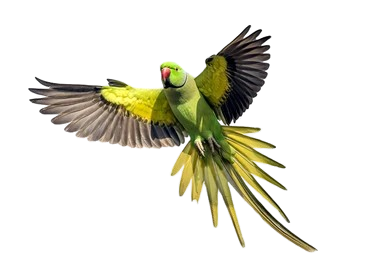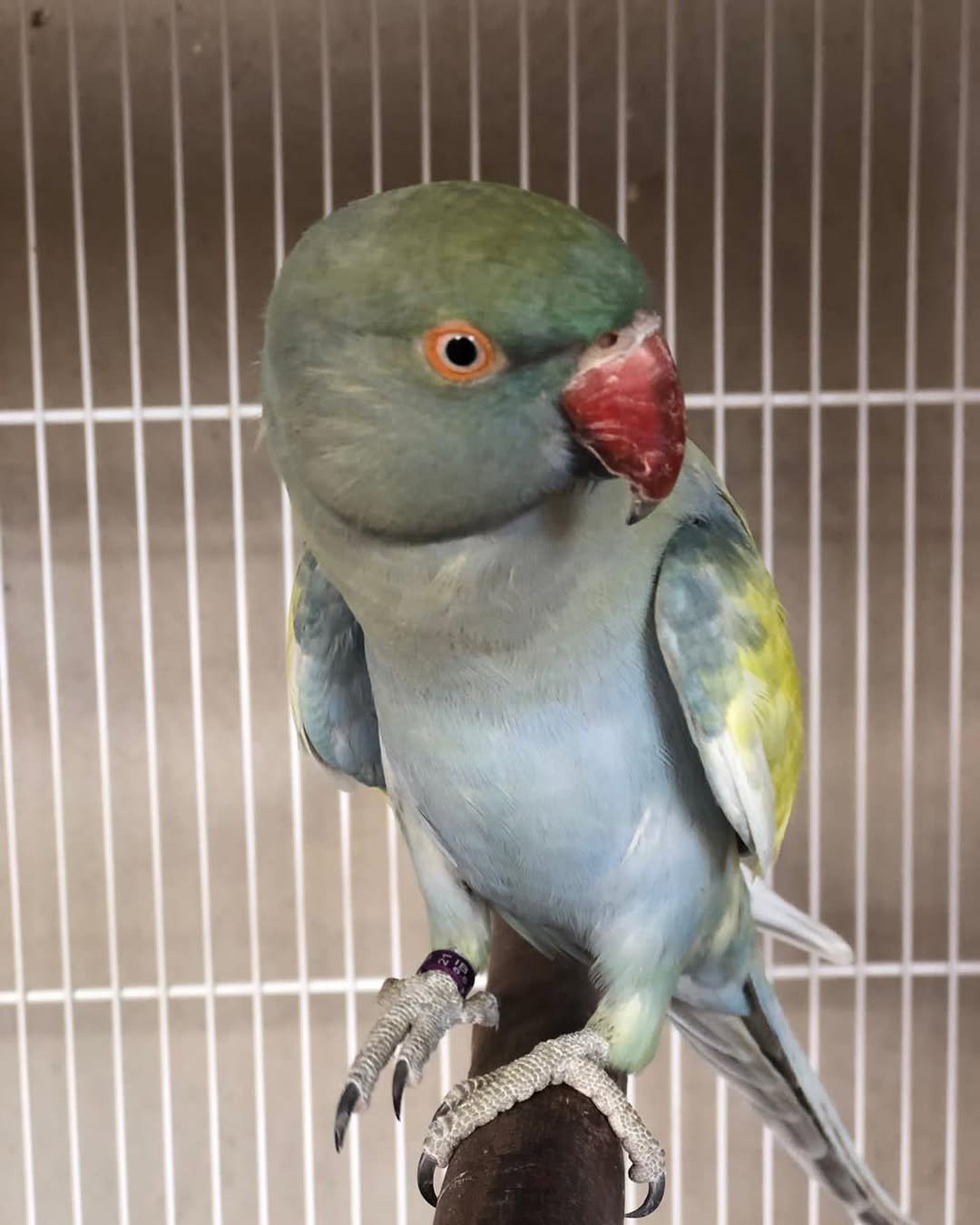
indian parakeet
indian parakeet enthusiasts often find themselves drawn to these birds for their striking beauty and unmatched intelligence, but successfully bringing one into your home requires a real understanding of their unique personality and long-term care needs. As a breeder who has spent years working with these spirited companions, I’ve learned that an indian parakeet is far more than just a colorful addition to a room; they are independent, chatty, and sometimes even a little bit aloof, making them a rewarding but serious commitment for anyone ready to put in the time.
Key Takeaways
- Intelligence & Personality: They are highly intelligent, playful, and among the best talking species, but they can be independent and require social interaction on their own terms.
- Lifespan: With proper care, these birds can live between 20 to 30 years, making them a multi-decade commitment.
- Care Requirements: Daily exercise, mental stimulation through foraging toys, and a balanced diet of fresh vegetables, fruits, and high-quality pellets are non-negotiable for their health.
- The “Bluffing” Phase: Many young indian parakeet owners encounter an adolescent phase where the bird may become nippy; this is normal and usually passes with patience and consistent handling.
Understanding the Indian Parakeet Temperament
When you first welcome an indian parakeet into your living space, you might notice they don’t always behave like the “cuddly” parrots people see in movies. They have a certain pride. Perhaps it’s that independent streak that makes them so fascinating to watch. I often tell folks, don’t expect them to sit on your shoulder for hours on end right away. They prefer to observe, chat, and occasionally dazzle you with a perfectly mimicked phrase.
Their intelligence is truly something to behold. An indian parakeet is constantly scanning its environment, solving little puzzles, and, let’s be honest, figuring out how to get your attention when they want it. This high energy is a gift, but it means you can’t just leave them in a cage. They need your time. They need you to talk to them, to engage them with toys, and to be a presence in their life. If you aren’t around for long stretches, they might get a bit bored—and a bored bird is a bird that might start chewing on things they really shouldn’t.
Daily Care and Nutritional Needs
Diet is where I see the biggest gap in new owners. An indian parakeet thrives on variety. It’s not just about seeds. Think about what they’d find in the wild—berries, fruits, blossoms, and seeds. In captivity, you need to replicate that. I always recommend a base of high-quality pellets, supplemented daily with fresh, bird-safe vegetables like spinach, carrots, and sweet potato.
- Freshness: If it’s not fresh, don’t leave it out. Bacteria can grow fast.
- Foraging: I love to hide treats in cardboard boxes or foraging toys. It keeps their natural instincts sharp.
- Hydration: Always keep clean, fresh water accessible. They need it for drinking and, quite often, for a quick bath.
Beyond food, the cage environment is critical. An indian parakeet needs room. Their tails are long and elegant, and they need space to stretch, fly, and climb without bumping into bars or toys. I personally prefer larger aviaries if possible, but at the very least, a spacious, high-quality cage with multiple perches of different diameters is a must. It helps their feet stay healthy, too—something people sometimes overlook until there’s an issue.
Addressing the “Bluffing” Stage
I feel it’s my duty as a breeder to mention the “bluffing” phase. If you get a young indian parakeet, there will likely be a point, usually between four months and a year, where your sweet bird suddenly becomes a bit of a grouch. They might nip, they might hiss, or they might just back away. Please, do not take it personally. It’s not them turning on you; it’s a hormonal developmental milestone. If you stay consistent, keep interacting with them, and don’t force the issue, they come out the other side as the same wonderful companion you brought home.
The Search for a Reputable Indian Parakeet Breeder
If you’re ready to take the leap, finding the right breeder is the most important step you’ll take. You want someone who prioritizes the health and socialization of the birds above a quick sale.
What to Look For
- Transparency: A good breeder will let you ask questions and, ideally, show you where the birds are kept.
- Environment: Look for a place that is clean, bright, and allows for natural behaviors.
- Customer Reviews: Don’t just take their word for it. Talk to other owners who have brought home an indian parakeet from that source.
- Health Standards: Ensure the birds are being fed a varied, healthy diet and that they have had or are ready for their initial health screenings.
The Future with Your Companion
Owning an indian parakeet is a journey. There will be days when they are the funniest creatures in the world, mimicking your doorbell or laughing along with you, and there will be days when they are just being themselves—quietly perched, watching the world go by. Because they live so long, you are really setting up a partnership for the next quarter-century.
I’ve met so many people who were hesitant at first, unsure if they had the patience for an indian parakeet. But after putting in the work, watching that bond grow from a bit of skepticism into true companionship, they usually tell me it was the best decision they ever made. Just remember: these birds are not “low maintenance,” but they are “high reward.”
Conclusion
Bringing an indian parakeet into your life is a major, beautiful, and long-term decision. By focusing on their need for social stimulation, providing a nutritious and varied diet, and understanding their unique, independent personality, you can build a relationship that lasts decades. Whether you are captivated by their vivid colors or their incredible ability to mimic human speech, this bird has a way of becoming the heart of the home. I encourage you to do your research, find a reputable source, and prepare your heart and your home for a truly special avian companion.
Frequently Asked Questions
Q: Do Indian Ringneck Parakeets really talk as well as people say?

A: Yes, the indian parakeet is widely considered one of the best talkers among parakeet species. They are known for having very clear, articulate speech. However, every bird is an individual; while many will learn dozens of words and phrases, some may choose to remain quieter. The key is consistent, positive training and plenty of interaction, as they learn best when they feel engaged and part of your daily life.