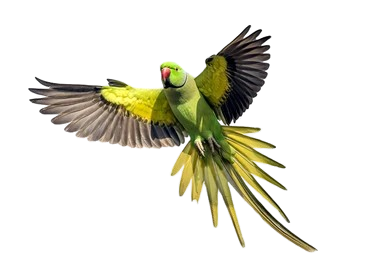
budgie parakeet
budgie parakeet companions are often the perfect introduction to the world of bird keeping, offering a mix of vibrant personality, intelligence, and manageable care that makes them a top choice for families and solo enthusiasts alike. If you’ve ever wondered why these little Australian natives have captured hearts across the globe, it largely comes down to their surprisingly big characters packed into such small, colorful bodies—they truly are the “big parrots” of the miniature world. As someone who has spent years working with these wonderful creatures, I’ve found that
whether you are looking for a talkative friend or a quiet observer, there is a specific type of budgie that fits almost any lifestyle. Understanding their needs—from their love of social interaction to the importance of a high-quality, varied diet—is the real key to ensuring your new companion thrives for years to come. In this guide, I’ll help you navigate the process of finding, selecting, and caring for your own, ensuring you start your journey on the right foot.
Key Takeaways
- Budgie parakeet personality: They are highly social, active, and intelligent, making them excellent companions for those who can provide daily interaction.
- Optimal Care: Success with a budgie parakeet hinges on providing a spacious cage, constant fresh water, and a diet that goes beyond simple seeds to include pellets and fresh greens.
- Health Awareness: Regular check-ups with an avian-specialized veterinarian are essential, as these birds can hide illness well until it becomes serious.
- Variety Matters: Knowing the difference between American and English varieties can help you choose the bird that best fits your expectations for temperament and size.
Understanding the Budgie Parakeet: A Breeder’s Perspective
When I look at a budgie parakeet, I don’t just see a pet; I see an incredibly complex, social animal that traces its roots back to the vast, arid landscapes of Australia. For those new to the hobby, it’s easy to assume that because they are small, their requirements are minimal. In my experience, that’s a dangerous misconception. A budgie parakeet is a flock animal by nature, meaning they crave company—either from another bird or from you, their human flock. I’ve often told people that if you work long hours and cannot provide significant bonding time, getting a pair is almost always the kindest choice. They are never truly “low maintenance” if you want a happy, thriving bird.
Perhaps the most fascinating thing about the budgie parakeet is their ability to mimic sounds and even human words. While not every bird will talk, the potential for chattering and whistle-learning is always there, especially if you spend time talking to them in a calm, consistent tone. I remember one young blue budgie parakeet I raised that took to “knocking” on his cage bars whenever he wanted my attention—it was a funny little habit, but it showed me just how smart they really are. They aren’t just decorative ornaments; they are active, inquisitive, and sometimes quite mischievous little beings.
Essential Care for Your Budgie Parakeet
If you’re preparing for a new budgie parakeet, your setup is the foundation of their future health. Don’t settle for the smallest cage you can find. A budgie parakeet needs room to fly, not just hop. I recommend a cage that allows for horizontal flight, as they use their wings constantly. Make sure the bar spacing is narrow—typically half an inch or
less—to prevent them from getting their heads stuck. It’s also important to think about the layout. I prefer placing perches at different heights and using natural wood branches of varying thicknesses. This isn’t just about comfort; it helps keep their feet healthy and prevents the kind of sores that can happen when birds spend all day on one type of dowel.
Diet is another area where I see many owners struggle with their budgie parakeet. The old-school belief that a bird can live on seeds alone is outdated and often leads to long-term health issues like obesity or fatty liver disease. A balanced diet should rely heavily on high-quality, avian-specific pellets supplemented by a variety of fresh greens and occasional fruits. I’ve noticed that getting a budgie parakeet to try new foods can sometimes take weeks of patient encouragement—they can be quite stubborn!—but the health benefits are undeniable.
Selecting a Healthy Budgie Parakeet
When you go to visit a breeder or a shop, look past the color for a moment. A healthy budgie parakeet is an active one. If you see a bird puffed up on a perch with its eyes closed, that’s usually a sign of a bird that is trying to conserve energy because it is unwell. Check the cere—that’s the fleshy part above the beak—to ensure it’s clean and free of crustiness, which could indicate mites. Look at the vent area under the tail to make sure feathers are clean and dry, not matted or soiled.
A reputable breeder should be happy to show you the living conditions of their birds. If you can’t see the environment or if the place looks unhygienic, walk away. When I hand-raise a budgie parakeet, I prioritize early socialization. A bird that has been gently handled is usually much more confident and less prone to stress. This makes the transition to your home much smoother, even if the bird is a little shy at first.
Top Considerations: Breeding and Species Varieties
If you are interested in the wider world of the budgie parakeet, you’ll eventually run into the distinction between “American” and “English” varieties. The American budgie parakeet is what you typically find in pet stores; they are smaller, more agile, and have a very classic, “wild-type” look. English budgies (or Exhibition budgies), on the other hand, are bred for shows. They are significantly larger, with thick, fluffy head feathers that often obscure their eyes and beaks. They tend to be a bit calmer and quieter, but they often have shorter lifespans than the American budgie parakeet.
If you are looking for a budgie parakeet to bring home, here is a quick guide on what to look for:
- The Budgie Parakeet’s Cere: In young birds, the cere is often pale pink or light blue. As they mature, males generally develop a bright, solid blue cere, while females shift toward tan, beige, or brown.
- Feather Condition: Look for sleek, smooth feathers. A budgie parakeet with dull or patchy plumage might be suffering from nutritional deficiencies or stress.
- Movement: A healthy budgie parakeet will climb, chirp, and interact with its environment.
Frequently Asked Questions
Q: Can I keep my budgie parakeet in the kitchen?

A: Absolutely not. Kitchens are one of the most dangerous places for a budgie parakeet due to non-stick (Teflon) cookware, which can release fumes that are instantly toxic to birds. Additionally, open water, hot stoves, and chemical cleaners pose constant risks. Always keep your budgie parakeet in a main living area where they can be part of the family without these hazards.
Conclusion
Bringing a budgie parakeet into your life is a long-term commitment that pays off in daily laughter and companionship. These little birds have big personalities, and they truly become members of the family if you put in the time to understand their needs and respect their intelligence. From choosing the right cage to perfecting their diet, every small step you take towards proper care is an investment in your bird’s happiness. If you have the
patience and the heart for it, a budgie parakeet can be one of the most rewarding pets you will ever own. Always remember to prioritize their social needs and regular vet care, and you’ll have a wonderful little friend by your side for many years.