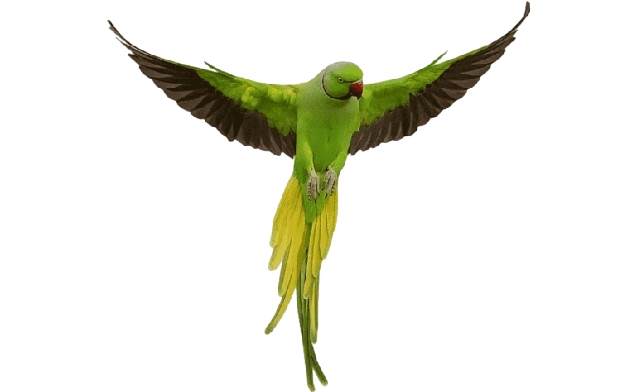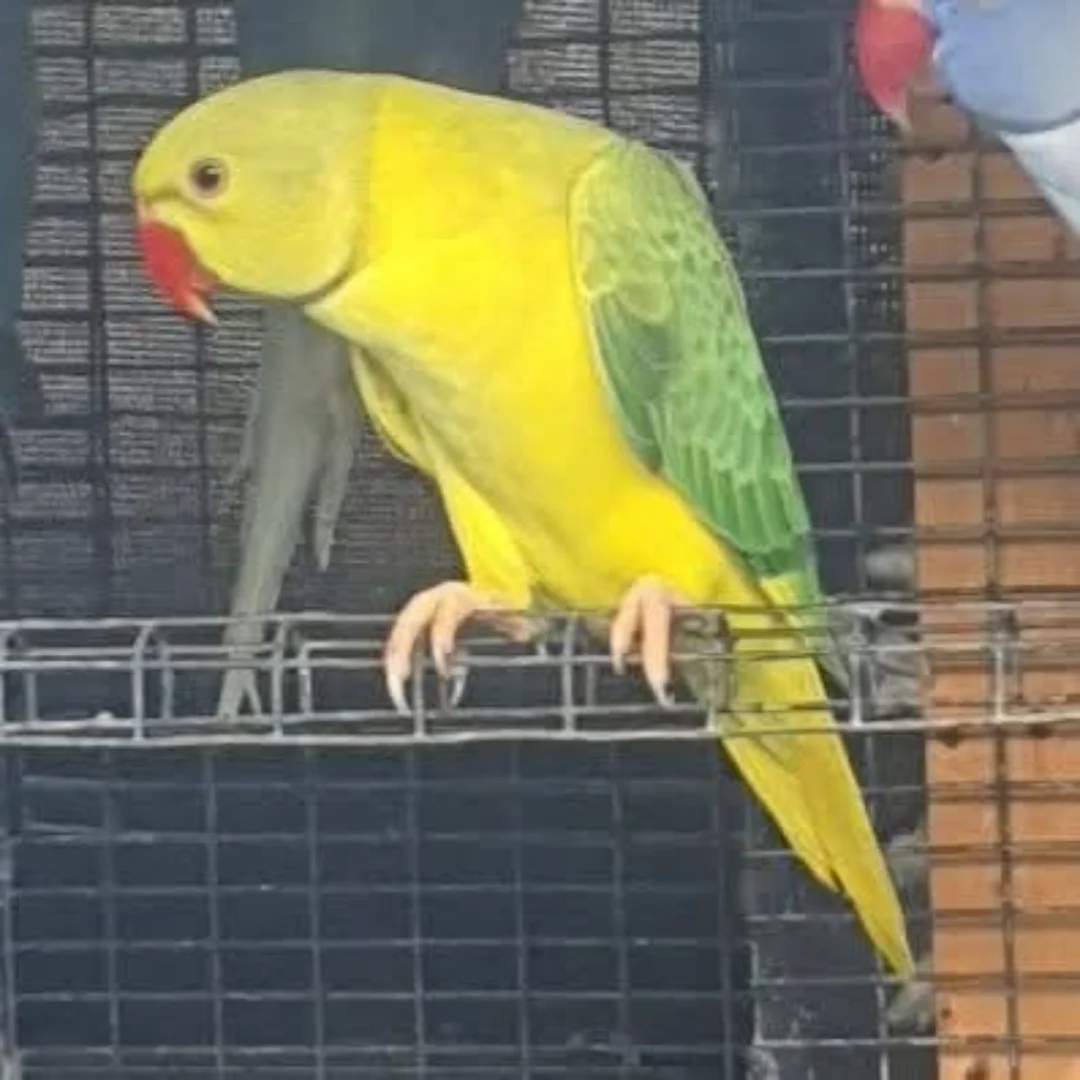
Do parakeets talk or mimic words
Do parakeets talk or mimic words? If you have ever spent time around these vibrant little companions at THE PARAKEET FOR SALE HOME, you know that the answer is a resounding yes! Many bird enthusiasts are surprised to learn that these small parrots are actually some of the most gifted talkers in the entire avian world. As a dedicated breeder, I have spent years observing the unique ways these birds connect with their human flock, and their ability to pick up on our speech—and mimic it with startling accuracy—is one of their most charming traits. Whether you are looking to welcome a new feathered friend into your life or simply want to understand your current companion better, knowing how and why they learn to speak can completely transform your bond with them.
Key Takeaways
- Vocal Geniuses: Parakeets (budgies) are among the best talkers in the parrot family, often learning large vocabularies.
- Gender Matters: While both can be vocal, male parakeets are generally more prone to learning human words and speaking with greater clarity than females.
- The Power of Interaction: Parakeets learn language by observing their “flock”—that’s you! Consistent, engaged, and social interaction is the secret to getting them talking.
- It’s Not Just Mimicry: These birds often understand the context behind sounds, associating specific phrases with activities like feeding or greeting.
- Patience is Essential: Training is a process of building trust. A happy, comfortable bird is always a more eager learner than one feeling shy or stressed.
Understanding Why Parakeets Talk or Mimic Words
When people ask me, “Do parakeets talk or mimic words?” I always tell them to look at these birds as small, feathered social sponges. In the wild, parakeets use complex vocalizations to bond with their flock, establish territory, and communicate danger. When they come into our homes, they naturally view their human family as their new flock. Because they are wired for social bonding, they instinctively want to communicate with us. Learning to mimic human speech is their way of staying connected to you.
At THE PARAKEET FOR SALE HOME, I’ve seen firsthand how these birds listen intently when you speak. It is not just empty noise; they are actually processing the intonation and pitch of your voice. Research has shown that these birds have specialized neurons in their brains that fire in specific ways when they vocalize, much like the human brain does when we speak. This biological miracle is why, if you invest the time and love, your parakeet can surprise you by repeating your favorite phrases or even the sounds of your daily life—like the whistle of a tea kettle or the ring of a phone!
Are Parakeets Good Talkers? A Breeder’s Perspective
The question of whether parakeets are good talkers is often met with some skepticism until someone hears a little budgie clearly say “Hello!” in a tiny, high-pitched voice. The truth is, they are exceptional talkers. Some individuals have been known to build up vocabularies containing hundreds of words. However, it is important to manage expectations: not every bird will be a chatterbox.
From my experience, if you are specifically looking for a bird with a high potential for mimicry, focus on the males. While female parakeets are wonderful, affectionate, and highly intelligent, they are often less likely to engage in word mimicry compared to their male counterparts. Males tend to be more vocal and seem to enjoy the challenge of repeating sounds. Regardless of gender, every bird at THE PARAKEET FOR SALE HOME is an individual. Some might prefer mimicking environmental sounds like whistles and chirps, while others will be absolute masters of human language.
Proven Strategies for Training Your Bird to Speak
If you want to know how to teach a parakeet to talk, the most important rule is consistency. You cannot simply leave a radio on and expect them to pick up English; they need a personal connection. Treat your bird like a child who is learning how to communicate. Here are the methods I’ve used for years:
- Start Small: Choose a simple, versatile word or phrase, like their name or a cheerful “Hello!”
- Use Emotion: They are far more likely to mimic words that are spoken with excitement or affection. A monotone voice will likely be ignored.
- Contextual Association: Always say “Good morning” when you uncover their cage and “Goodbye” when you leave the room. If you say “Hungry?” every time you provide fresh bird food, they will eventually link the sound to the delicious meal.
- Listen and Respond: Sometimes your bird will be “mumbling”—this is them practicing! It might sound like gibberish, but encourage them anyway. The more positive reinforcement they get for these early attempts, the more confidence they will have to speak clearly later.
Top Tips for Success from THE PARAKEET FOR SALE HOME
Success in teaching your parakeet to speak comes down to the environment you create. Birds are incredibly sensitive to their surroundings. If your home is chaotic or if the bird feels nervous, they will focus on survival rather than vocabulary.
- Create a Safe Haven: Only begin formal training once your bird is fully finger-trained and comfortable with your presence.
- Limit Distractions: During your 10–15 minute training sessions, turn off the TV or radio. Your voice should be the primary stimulus.
- Use Treats: Small pieces of millet or their favorite seed can act as a great incentive when they hit a milestone.
- Patience is Key: Never show frustration. If you sound impatient, your bird will pick up on that negative energy. Keep it light, fun, and filled with love.
Conclusion: Welcoming a Talking Companion
So, do parakeets talk or mimic words? They do both with a level of enthusiasm that is truly heartwarming. These little birds have a massive amount of personality packed into their small frames. By understanding their social nature and dedicating time to talk with them, you are not just teaching a trick—you are deepening a lifelong friendship. At THE PARAKEET FOR SALE HOME, we believe that the most rewarding part of owning a parakeet is the unique, two-way communication that develops over time. Whether they are mimicking your favorite song or greeting you when you come home from work, the effort you put into their training will be rewarded tenfold with a loyal, vibrant, and talkative companion.
Frequently Asked Questions
How long does it take for a parakeet to start talking?
Every bird is different, but with consistent daily practice, you might hear the first recognizable “mumbling” within a few weeks or months. Some birds take longer to settle into their new home before they feel comfortable enough to start vocalizing. The key is to keep talking to them every single day—they are constantly listening, even when they seem quiet, and eventually, the words will emerge.