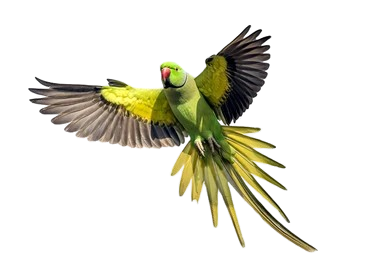
Our Philosophy
Welcome to Mr. Parrot’s guide on avian care and ethical aviculture, where we explore why our guiding principles matter so much when you are looking to welcome a new feathered companion into your family. When you first dive into the world of pet birds, finding a reliable source of information and healthy pets can feel overwhelming. People often wonder what truly separates an ethical breeder from a backyard operation, or how early socialization shapes a parakeet’s lifelong temperament. By the time you finish reading this breakdown, you will have a clear, comprehensive understanding of how our core values drive superior health, exceptional genetic lines, and a deeply bonded relationship between you and your future pet.
Key Takeaways
- Ethical Breeding Standards: Our approach prioritizes mental well-being, genetic diversity, and proper nutritional foundations from day one.
- Socialization Matters: Early human interaction ensures your parakeet grows up friendly, curious, and resilient against everyday household stress.
- Comprehensive Care Insights: From choosing the right cage size to managing optimal diets, understanding avian husbandry prevents common health pitfalls.
The Foundation of Ethical Avian Care
Our Philosophy begins long before a chick ever hatches from its shell. Over the years spent working closely with budgies and various parakeet species, I have realized that avian husbandry is as much an art as it is a science. You cannot simply throw two birds together, cross your fingers, and hope for the best. Healthy, vibrant companion birds require meticulous attention to lineage, diet, environmental stimulation, and psychological safety.
When people ask me what drives our daily operations here at Mr. Parrot, I always point back to our foundational standards. Every single pairing we manage is intentionally designed to promote robust immunity and gentle dispositions. Unlike commercial mass-breeding facilities that view animals merely as inventory, we treat every clutch with individual care. I think this hands-on dedication is precisely why our birds transition so smoothly into private homes. They are accustomed to gentle human voices, regular handling, and varied, nutrient-dense diets featuring fresh greens, high-grade pellets, and clean hydration.
Furthermore, understanding Our Philosophy means recognizing that a bird’s physical environment dictates its mental health. A cramped cage or a chaotic, high-traffic room can cause chronic stress, leading to unwanted behaviors like feather plucking. We always advocate for spacious flight cages equipped with natural wood perches of varying diameters, rotating enrichment toys, and plenty of natural or full-spectrum lighting. These details might seem minor to a beginner, but they form the bedrock of a thriving, long-lived companion that can easily reach its maximum lifespan of ten to fifteen years.
Understanding Popular Parakeet Species and Breed Variations
When exploring the vast world of small hookbills, it helps to understand the specific differences among species. While the common budgerigar (Melopsittacus undulatus) remains the undisputed king of popularity, several other fascinating parakeet variations capture the hearts of bird enthusiasts worldwide.
- The American Budgerigar: Smaller, sleeker, and exceptionally active. These birds are renowned for their high intelligence, quick mimicking abilities, and energetic acrobatics.
- The English Budgerigar: Noticeably larger with a fuller crown of feathers and a more puffed-up facial appearance. They tend to have a slightly calmer, more regal demeanor compared to their American cousins.
- Lineolated Parakeets (Linnies): Quiet, gentle, and slow-moving creatures known for their charming waddling walk and peaceful temperament. They make wonderful apartment pets due to their muted vocalizations.
- Bourke’s Parakeets: Peaceful, pastel-colored australian grass parakeets that exhibit a wonderfully docile nature, often becoming most active during twilight hours.
Matching the right species to your lifestyle is a core pillar of Our Philosophy. If you live in a quiet apartment and prefer a bird that won’t pierce your eardrums at dawn, a Linnie or a Bourke’s parakeet might suit you better than a vocal, high-energy American budgie. Conversely, if you want an interactive little clown that will chatter away and learn dozens of words, a hand-raised budgerigar is usually the ultimate choice.
A Comprehensive User Guide: Bringing Your New Bird Home
Preparing for your new pet involves more than just buying a cage and filling a seed cup. Our Philosophy emphasizes a slow, respectful transition period that honors the sensitive nature of these prey animals. When your parakeet first arrives home, everything is entirely unfamiliar. The sights, sounds, and smells of a new household can easily startle them.
To make this transition seamless, follow this step-by-step user guide:
- Pre-Setup the Habitat: Assemble and fully equip the cage before your bird ever steps foot inside its new room. Position perches, food dishes, water bottles, and initial foraging toys ahead of time so you do not have to crowd or stress them out later with sudden interior modifications.
- Placement is Key: Keep the cage in a lively part of the house—like a living room or family area—so the bird feels included in the flock dynamic. However, ensure it is backed against a wall to provide a sense of security, and keep it entirely away from toxic kitchen fumes (such as non-stick cookware coatings) and drafty windows.
- The Decompression Phase: For the first 48 to 72 hours, give your parakeet space. Speak softly when walking past, change their food and water calmly, but avoid forcing your hands into the cage. Let them observe their new surroundings and realize that humans bring good things like millet and fresh water.
- Initiating Hand-Taming: Once your bird appears relaxed and starts chirping or exploring confidently, begin introducing your hand slowly. Rest your hand flat near the open door or offer a piece of spray millet from your fingertips. Patience is your greatest asset here; forcing interaction too quickly will only break trust.
Listicle of Top Breeders and Avian Resources
Finding a reputable source for your next pet shouldn’t feel like a guessing game. To help you navigate your search with absolute confidence, here is a curated listicle of top-tier breeding standards, ethical practices, and professional resources to look out for when sourcing healthy parakeets.
- Specialized Closed-Band Breeders: Look for breeders who use closed leg bands indicating the exact year of birth and maintaining meticulous lineage records. This ensures transparency and proves accountability.
- Avian-Veterinary Backed Facilities: The best breeders work hand-in-hand with certified avian vets to perform routine health screenings, ensuring chicks are free from common respiratory or nutritional deficiencies before leaving for new homes.
- Weaning Transparency Outlets: Avoid any source trying to sell unweaned, baby birds that still require manual syringe feeding unless you are an experienced hand-feeder. Ethical breeders ensure every bird is independently eating solid seeds, pellets, and fresh veggies before adoption.
- The American Federation of Aviculture (AFA): A premier organization providing extensive educational resources, conservation updates, and guidelines for ethical bird ownership and breeding practices.
- Local Avian Specialty Rescues: If you prefer adoption, reputable bird sanctuaries often house wonderful parakeets looking for second chances, providing counseling to match adopters with the right bird.
Conclusion
Ultimately, navigating the world of pet ownership comes down to making informed, compassionate choices. Our Philosophy serves as a continuous reminder that these intelligent creatures deserve our absolute best—from ethical breeding practices and proper nutritional schedules to spacious, enriching habitats. By prioritizing health, gentle socialization, and environmental awareness, you set the stage for a rewarding companionship that can span well over a decade. Whether you are setting up your very first flight cage or expanding an existing aviary, keeping these core tenets close to heart guarantees a joyful, harmonious relationship between you and your vibrant new feathered friend.
Frequently Asked Questions
Q: How can I tell if my newly acquired parakeet is healthy and adjusting well to its new environment?
A healthy parakeet will be alert, active during daylight hours, possess smooth and tight-fitting feathers, and display clear, bright eyes with clean nostrils free of discharge. During the initial adjustment period, a newly relocated bird may sit quietly or eat slightly less for the first day or two out of sheer nervousness, but they should quickly bounce back, showing curiosity toward toys, vocalizing happily, and maintaining a steady appetite for their daily seed, pellet, and fresh vegetable rations. If you notice prolonged fluffing of feathers, lethargy, or a reluctance to step away from the cage floor, consult an avian veterinarian immediately.