parakeet australia
parakeet australia native species and their care represent a fascinating journey into the heart of one of the world’s most vibrant ecosystems, where these agile, colorful birds have thrived for millions of years. As someone who has spent a lifetime working with these intelligent creatures, I’ve learned that the true essence of keeping a healthy bird lies in mimicking the natural wisdom of their homeland. Whether you are looking to understand the nomadic spirit of the iconic wild budgerigar or seeking tips on how to create a thriving environment in your own home, knowing the roots of your bird is the first step toward a deep and lasting bond.
Key Takeaways
- Diverse Origins: Australia is home to a vast array of parakeet species beyond the common budgie, including rosellas, ringnecks, and grass parakeets.
- Natural Adaptation: Budgerigars are highly nomadic, evolved to track rainfall and seeding grasses across arid landscapes, which explains their boundless energy.
- Environmental Needs: To keep your bird happy, you must provide horizontal space for flight, varied perches, and constant mental stimulation, just as they would find in the Australian bush.
- Social Bonds: As flock-oriented animals, parakeets require significant daily interaction and thrive when kept in pairs or when heavily bonded with their human “flock”.
- Dietary Foundations: A high-quality pellet base supplemented with fresh greens and veggies is essential, as the seed-only diets often seen in movies aren’t enough for long-term health.
Exploring the Natural Heritage of Parakeet Australia
When we talk about parakeet australia origins, we are really talking about an incredible survival story. The Australian interior is harsh, often arid, and wildly unpredictable. Because of this, the parakeets that evolved there—especially the beloved budgie—are tough, clever, and incredibly social. I think that’s why they make such good pets; they are hard-wired to look for community.
Many people don’t realize just how many species fall under this umbrella. We aren’t just talking about the small, green-and-yellow birds you see in pet shops. The continent is alive with the colors of the Crimson Rosella, the elegance of the Princess Parrot, and the distinct calls of the Australian Ringneck. Each of these birds carries a piece of the Australian landscape with them, and understanding their unique temperaments is part of the fun of being a bird enthusiast.
Creating an Ideal Habitat for Your Parakeet
If you want your bird to feel at home, you have to think like a breeder. Most cages are far too small. In my experience, if you can’t provide a massive aviary, you need to ensure the cage is wider than it is tall. Why? Because these birds need that horizontal flight path to stay fit.
I always suggest avoiding those smooth, uniform dowel perches that come with standard cages. In the Australian wild, branches aren’t perfectly smooth. They are knotted, thick, and thin, and they have varying textures. By using natural wood like eucalyptus or bottlebrush, you’re helping your bird’s feet stay healthy and providing them with a bit of natural foraging fun. It’s those small, “messy” details that make a life-changing difference for their long-term well-being.
Understanding the Social Needs of Australian Parakeets
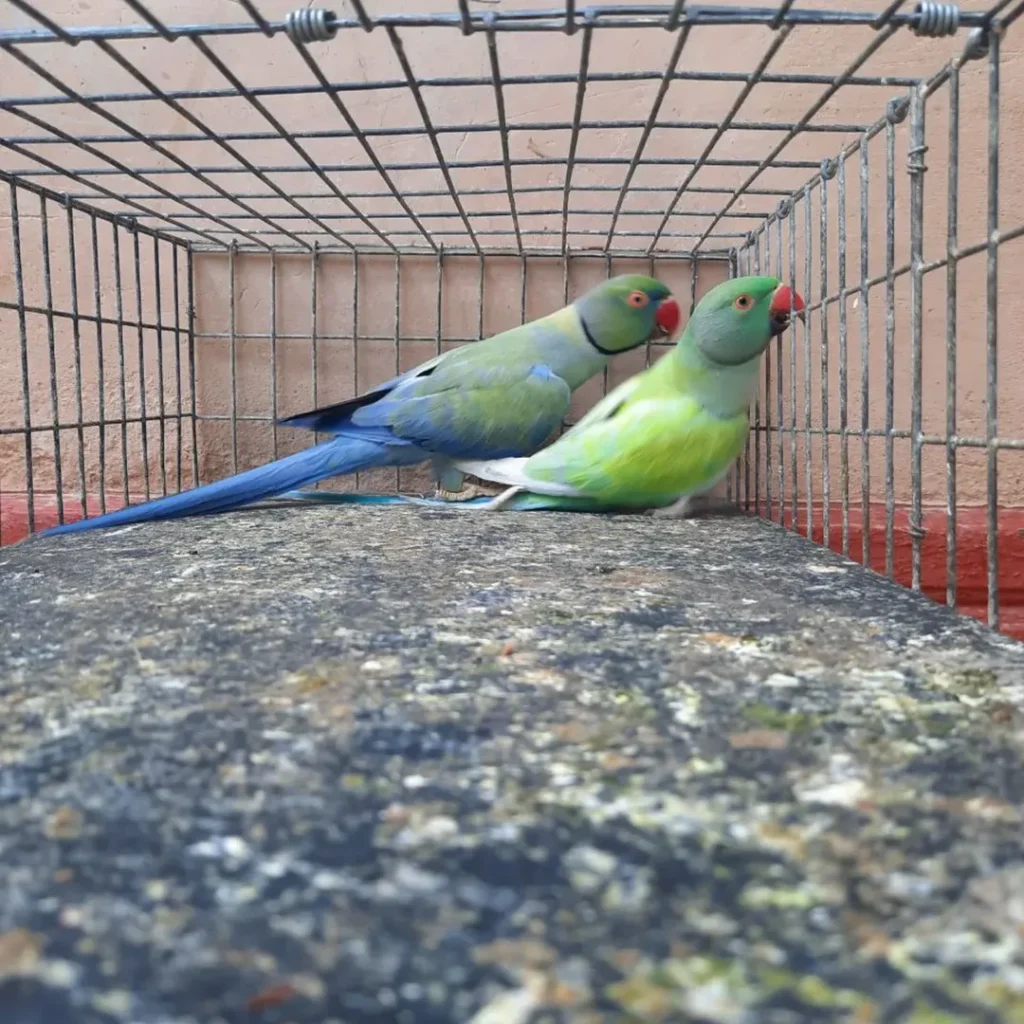
You’ll notice that when a parakeet is happy, they are almost never silent. They chatter, they chirp, and they move with purpose. These birds are flock animals. If you have just one, you are its entire world. That’s a big responsibility, perhaps a bit more than some realize at first. If you’re away at work all day, it’s really vital to consider a companion for them, or at least invest significant time in training and out-of-cage interaction every single evening.
I’ve seen birds become completely different, more vibrant versions of themselves once they have a partner to groom or a “flock” member to chatter with. It’s quite touching, really. They aren’t just “pets”; they’re complex, emotional beings that respond to the energy of the home around them.
List of Common Australian Species and Care Essentials
While the budgerigar (the classic “budgie”) is the most famous, here are a few other groups that capture the spirit of parakeet australia biodiversity:
- Budgerigars: The quintessential Aussie bird. Highly social, great at mimicry, and very hardy. They need lots of flight space.
- Rosellas: Known for their stunning, vibrant plumage. They are a bit more independent and often prefer a spacious outdoor aviary over a small indoor cage.
- Ringnecks: Intelligent and sometimes a bit cheeky. They are famous for their unique contact calls and need plenty of puzzles to solve.
- Grass Parakeets (Neophema): Smaller, gentler, and often more reserved. They do well in quieter environments.
Essential Care User Guide
- Diet: Move away from seed-only. Focus on pellets and fresh vegetables like broccoli, carrot, and leafy greens.
- Safety: Always keep them away from non-stick cookware fumes (PTFE gases), which are lethal to them, and ensure all windows are screened.
- Mental Health: Use foraging toys. Don’t just put food in a bowl. Make them work for it like they would in the wild.
Conclusion
Bringing a bird into your life is a long-term commitment. Whether you’re drawn to the history of parakeet australia or just the charm of a feathered friend, the best approach is always rooted in observation and respect for their natural instincts. Keep their cages clean, their diets varied, and their minds busy. If you put in the time to learn their language—the chirps, the squawks, and the silent moments—they will reward you with a companionship that is truly second to none.
Frequently Asked Question
Q: Why is my parakeet so much smaller than the ones I see in pictures of wild Australian flocks?

A: That’s a great observation! Domesticated budgies—the ones you usually find in pet stores—have been selectively bred for generations to be larger and often fluffier than their wild cousins. Wild budgies in the Australian outback are generally smaller, sleeker, and more aerodynamic because they need to be highly efficient travelers to survive the harsh, arid conditions of the interior. They’ve evolved to be incredibly hardy, but they haven’t had the luxury of being “bred for size” the way pets have.