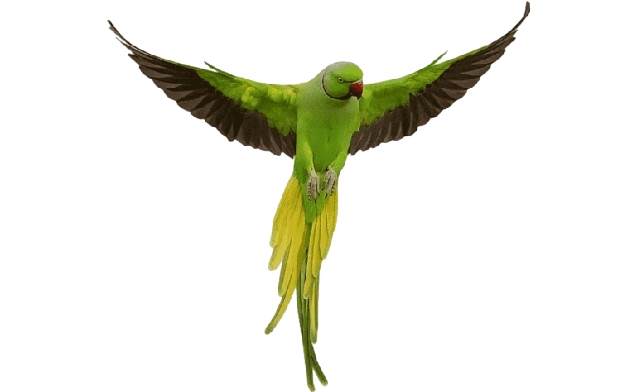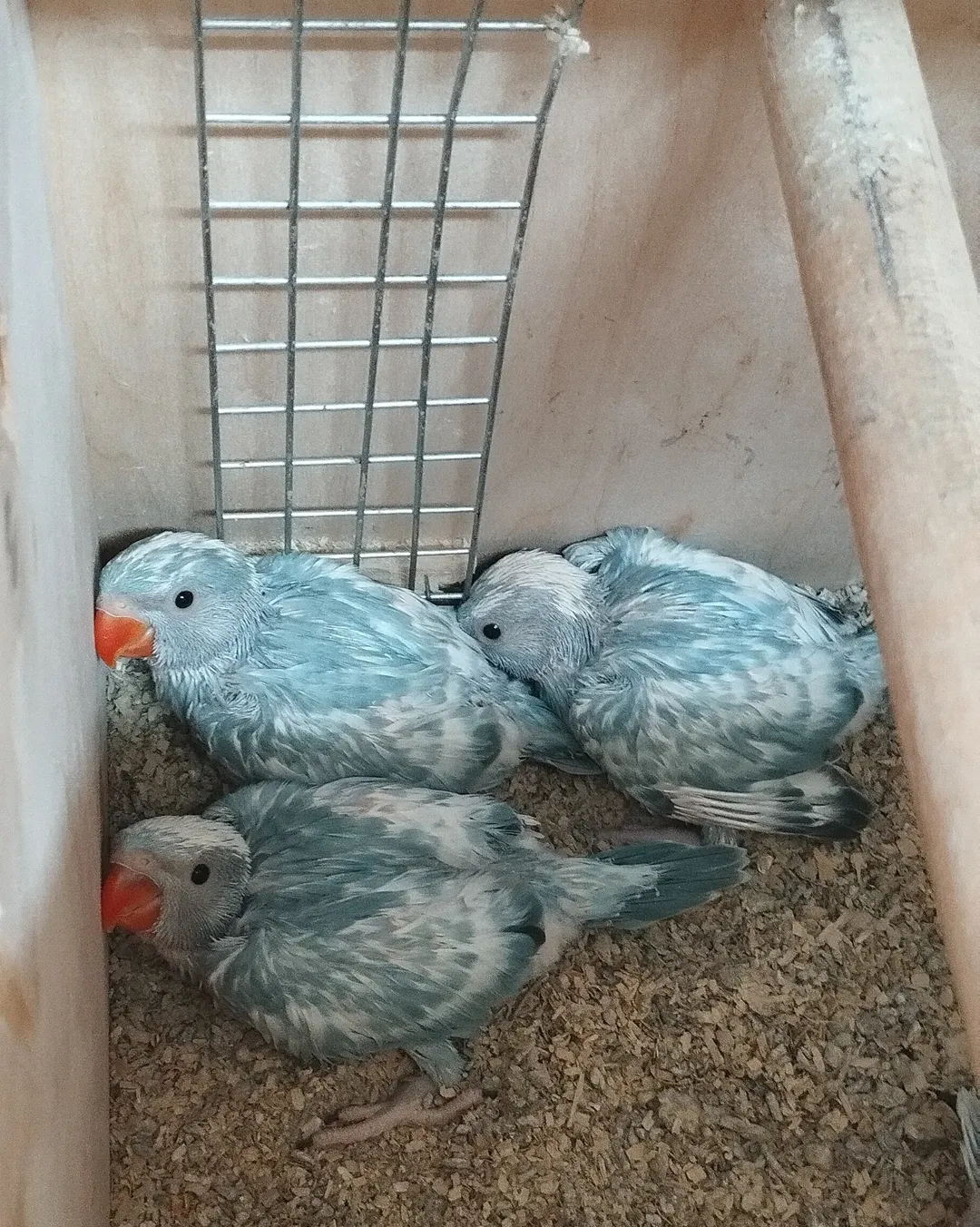
parakeet lifespan
parakeet lifespan can vary significantly based on the quality of care they receive, and as a breeder, I’ve seen firsthand how a few dedicated changes can turn a bird that might only live a few years into a thriving, long-term companion. While many people think of these birds as short-lived, the reality is that with the right diet, plenty of flight space, and consistent social engagement, these clever little creatures often reach 10 to 15 years—and sometimes even longer. It’s truly a journey of partnership, where the effort you put into their daily environment reflects directly back in the years of joy they bring to your home.
Key Takeaways
- The Captivity Advantage: While wild budgies often live only 4–6 years due to environmental pressures, captive birds can easily double that with proper support.
- Dietary Foundations: Transitioning away from a seed-only diet to a high-quality pellet base, supplemented with fresh vegetables, is the single most effective way to extend their life.
- Flight is Mandatory: A cage that allows for horizontal flight, combined with daily out-of-cage time, keeps their cardiovascular health strong and their immunity resilient.
- Social & Mental Wellness: These are highly social flock animals; they require daily human interaction, training, and enrichment to prevent the stress that leads to health decline.
- Early Detection: Regular avian veterinary exams help catch the subtle signs of illness—like lethargy or weight changes—that birds are famous for hiding until it is often too late.
Why Parakeet Lifespan Varies So Wildly
It’s a common question I get: why does one bird live 14 years while another barely makes it to five? If you look at the research, the answer almost always comes down to the “captivity gap.” In their native Australian outback, these birds deal with predators, drought, and constant competition for food. It’s a hard life. In a home, we remove those threats, but we often accidentally introduce new ones—like boredom, poor nutrition, or a lack of physical movement.
I think sometimes we assume that because a bird is small, it doesn’t need much. But their metabolism is incredibly fast, and their bodies are designed for constant activity. If you provide a cage that is merely a “parking spot” for your bird, their body slowly loses the conditioning it needs. I’ve noticed that the birds I see living into their mid-teens are the ones who get to stretch their wings every single day.
The Role of Nutrition in Longevity
I can’t stress this enough: seed-only diets are a silent killer. Seeds are like junk food for them—high in fat, but missing the vitamins and minerals that keep a parakeet lifespan where it should be. I always recommend that pellets make up about 60–70% of their intake.
It’s not just about the food, but how you serve it. I love to use foraging toys to hide their greens or pellets. It makes them work for their food, which is exactly what they would do in the wild. It keeps them sharp and mentally stimulated. If you’re ever in doubt, just look at their feathers—a dull coat or delayed molting is often a sign that their nutrition isn’t quite hitting the mark.
Creating the Perfect Environment
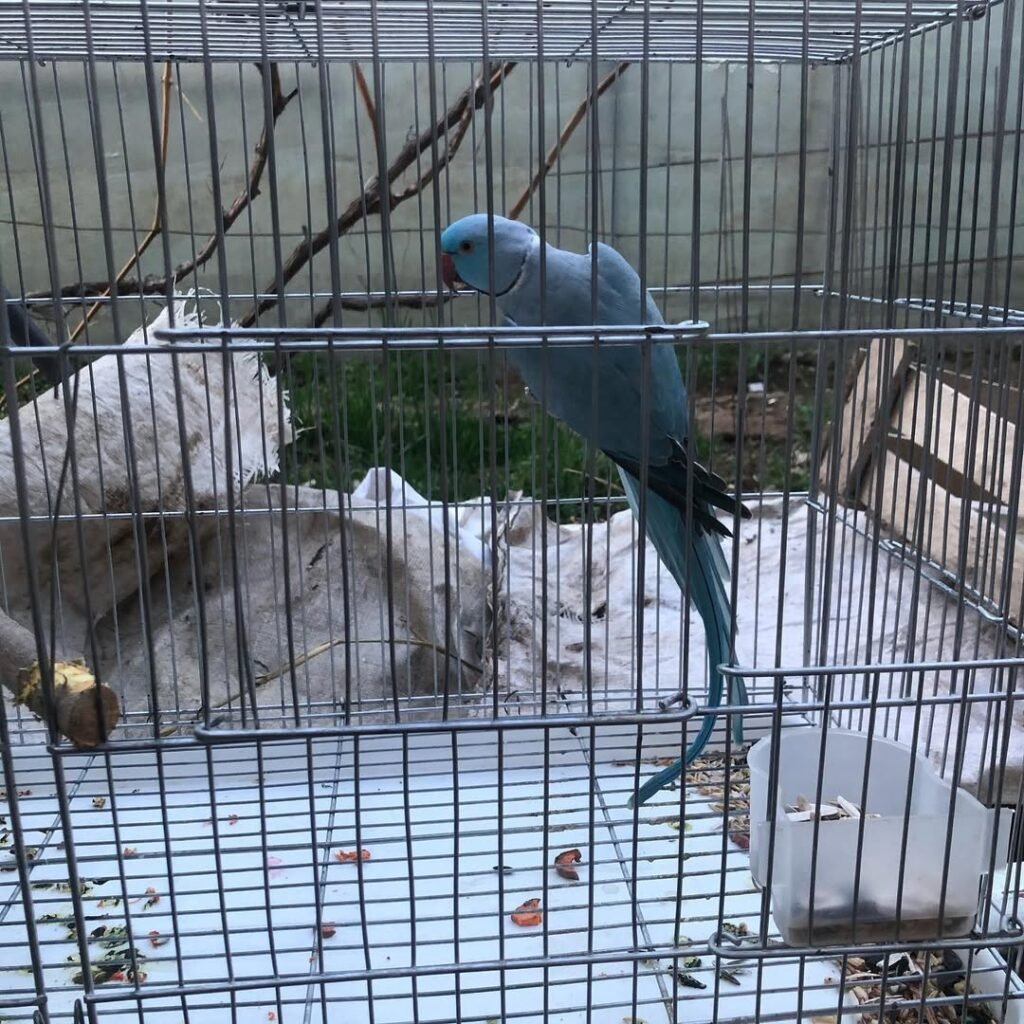
If you want to maximize your bird’s parakeet lifespan, look at your cage setup. A tall, narrow cage is essentially useless for a bird that flies horizontally. They need length. If you can’t get a massive aviary, please consider letting them out for a few hours of supervised flight in a bird-proofed room. It’s the best exercise they can get, and it’s just as important for their mental health as it is for their muscles.
Also, pay attention to the perches. Those smooth, uniform dowels that come with most cages? They’re terrible for their feet. Use natural wood branches with different thicknesses instead. It prevents the pressure sores that older birds sometimes develop. It sounds like a small detail, but these things add up over a decade.
The Social and Emotional Connection
These birds are wired for community. If you’re keeping a single bird, you are its entire flock. That means you need to be present. I’ve seen birds become entirely different, more vibrant creatures when they have a human who talks to them, trains them, and plays with them every day.
If you notice your bird is becoming less active, sleeping more, or preening less, don’t just brush it off as “getting old”. While aging does slow them down, a well-cared-for bird should remain curious and active well into its later years. Keep the communication going; it keeps their brain engaged, which is just as important as their physical health.
List of Top Considerations for Your Parakeet’s Long-Term Health
If you’re a serious owner looking to give your bird the best chance at a long life, keep this checklist in mind:
- Veterinary Baseline: Find an avian-certified vet early. Don’t wait for an emergency; have an annual wellness exam to monitor weight and overall health.
- Environment: Ensure their room is free from aerosols, smoke, and non-stick cookware fumes, which are highly toxic to their respiratory systems.
- Mental Novelty: Rotate their toys weekly. A bird that is bored is a bird that is prone to stress-induced health issues.
- Water Hygiene: Change their water every single morning. Contaminated water is a frequent source of low-level, chronic infections.
- Weight Monitoring: Use a gram scale to track their weight weekly. A loss of just a few grams can be the first sign that they are fighting an illness you haven’t seen yet.
Conclusion
Ultimately, the parakeet lifespan is not a fixed number; it is a reflection of the life you build for them. By providing a diverse diet, ensuring they have the space to move, and treating them with the intelligence and emotion they truly possess, you are giving them the best possible chance to grow old by your side. It is a responsibility, yes, but there is nothing quite like the bond you form with a bird that has been part of your daily rhythm for years. Take it slow, stay observant, and enjoy every day you have together.
Frequently Asked Question
Q: I have heard that English budgies have a shorter lifespan than standard “wild-type” parakeets—is that true?
A: It’s a common observation in the breeder community. English budgies (the larger, “show-type” birds) are selectively bred for specific physical traits, which can sometimes come at the cost of the hardiness found in the smaller, more agile American or “wild-type” parakeets. While a standard parakeet might reach 15–20 years with exceptional care, English budgies often have a slightly shorter average range of 7–9 years. Regardless of the type, however, the fundamental rules—a high-quality pellet diet, daily exercise, and consistent veterinary care—are exactly what you need to help any bird reach its own personal maximum potential!