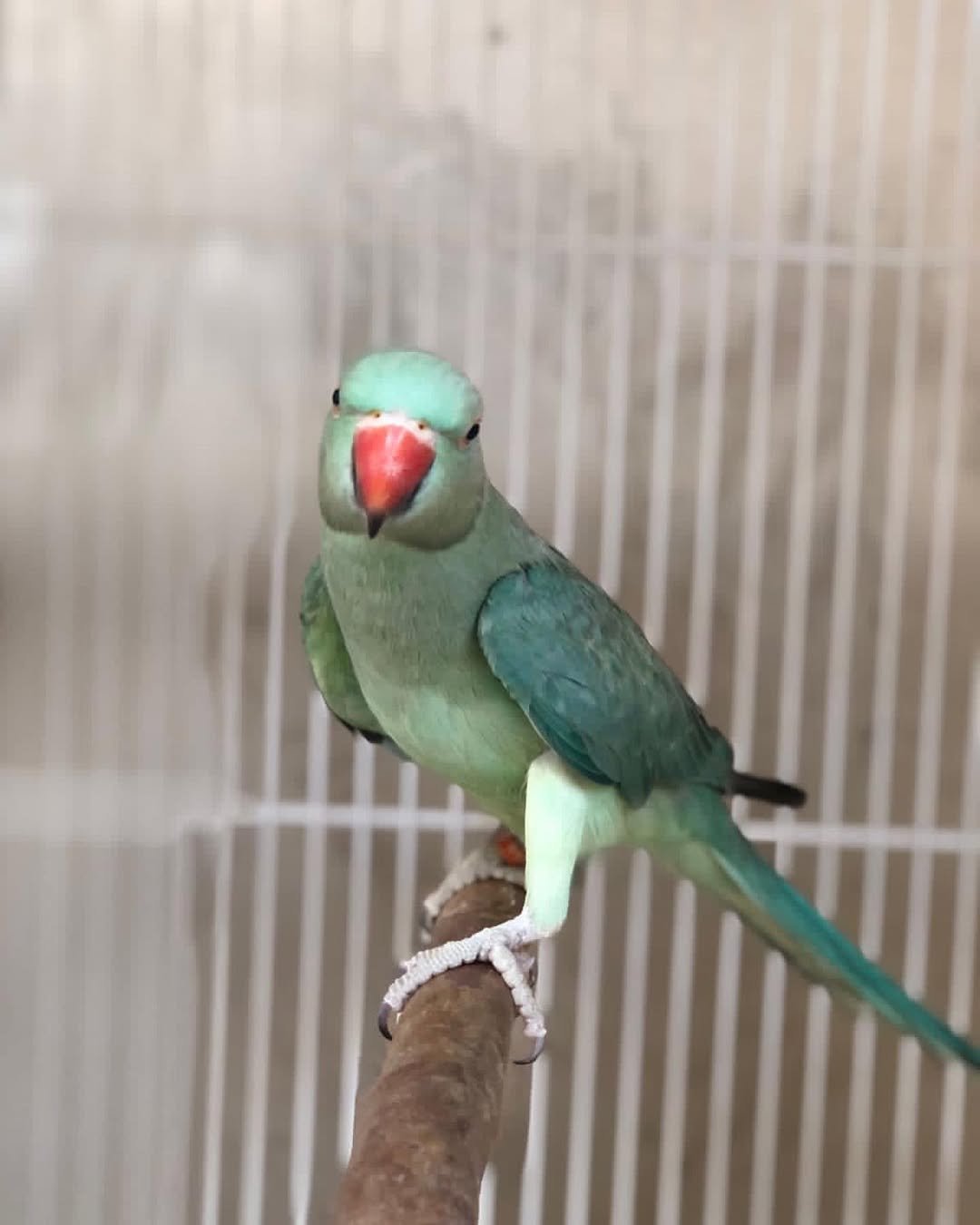
parakeet london
parakeet london enthusiasts often find themselves marveling at the vibrant, squawking flocks that have become a staple of our city’s parks, but there is a world of difference between observing these wild ring-necked parakeets and welcoming a hand-tame, captive-bred companion into your home. As someone who has spent years working with these intelligent birds, I’ve learned that the true joy of ownership comes from understanding their unique needs,
from their incredible capacity for mimicry to the specific enrichment they require to thrive in an urban environment. It’s a fascinating, lifelong commitment that starts the moment you decide to provide a loving, secure future for one of these remarkable feathered friends.
Key Takeaways
- Wild vs. Pet: The wild ring-necked parakeets seen in London’s parks are a feral, naturalized population and are quite different from the hand-reared, tame birds bred for companionship.
- Intelligence: Parakeets are highly social and intelligent creatures that require significant daily interaction, training, and mental stimulation to prevent boredom.
- Lifespan & Care: With proper care, including a varied diet of pellets, fresh vegetables, and fruits, these birds can live for many years—often 15 to 30 years depending on the species.
- Housing Needs: They need spacious enclosures that allow for horizontal flight, along with natural wood perches and varied toys to keep their feet healthy and their minds active.
- Social Bonds: Because they are flock-oriented, they do best in pairs or when they receive substantial, dedicated time from their human “flock” each day.
The Parakeet London Experience: Wild Icons and Domestic Partners
When you walk through places like Richmond Park or Kensington Gardens, you can’t miss them: the bright green, long-tailed flashes of color soaring above the traffic. These are the famous ring-necked parakeets, London’s only naturalized parrot population. It’s easy to romanticize them—and perhaps even wonder if you can just “scoop one up”—but it’s vital to remember that these are wild birds, thriving in our urban green spaces.
For those of you looking to add a parakeet to your family, you aren’t looking for the wild ones in the park. You’re looking for a bird bred in captivity, ideally hand-reared, which makes them far more receptive to human company. It’s a bit of a leap to go from seeing them in a tree to having one sitting on your shoulder, but that’s the magic of aviculture. I’ve found that even the most timid birds transform when they realize they have a safe, consistent environment with a dedicated caretaker.
Why Your Parakeet Needs More Than Just a Cage
I often tell new owners that if you treat a cage like a prison, you’ll end up with a frustrated, quiet, or screeching bird. If you treat it like a “home base” for an active, curious animal, you get a lively, talkative friend. Parakeets in London—the domestic ones, that is—need room to move. A small, cramped cage simply won’t cut it.
I always suggest setups that prioritize width over height, giving your bird space to stretch those wings. And the perches? Skip the smooth, uniform plastic ones. Use natural branches of varying thicknesses. It’s better for their feet, and it provides a bit of “foraging” texture that they’d naturally encounter in the wild. It’s these small, thoughtful details that show your bird you understand their natural instincts, even when they’re living in a flat in the city.
Diet and Nutrition: Feeding for Longevity
One of the biggest mistakes I see with new owners is relying solely on a basic seed mix. While seeds are part of their diet, a healthy, long-lived parakeet needs variety. I like to think of a high-quality pellet mix as the “foundation,” which I then build upon with fresh, bird-safe vegetables like broccoli, carrots, and leafy greens.
Sometimes, I’ll hide these treats inside a piece of cardboard or a puzzle toy. It turns mealtime into a mental workout. You wouldn’t want to eat the same thing every day, and neither do they. By mixing up their diet and their feeding methods, you’re not just keeping them healthy; you’re keeping them sharp. It’s perhaps one of the easiest ways to ensure a parakeet london owner enjoys the full, happy lifespan these birds are capable of reaching.
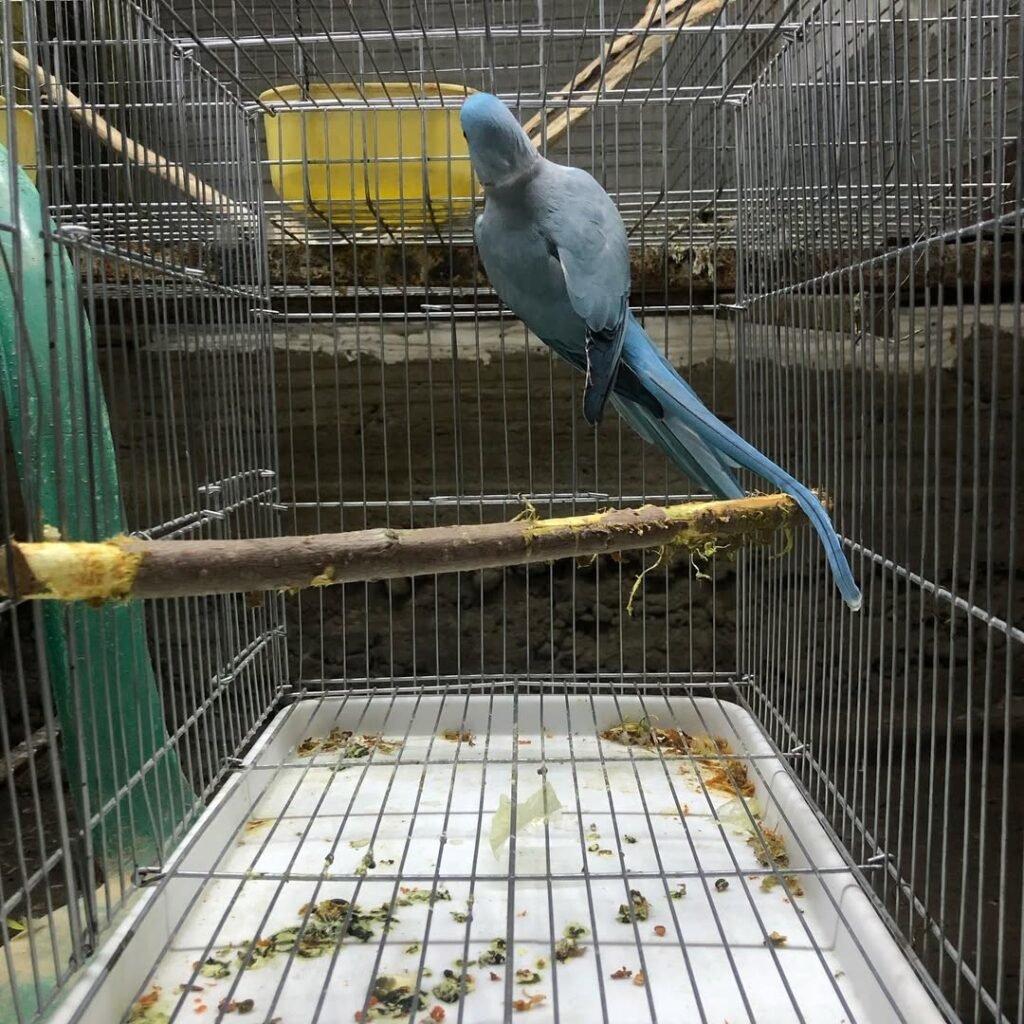
Listicle: Selecting Your Perfect Companion
If you’re in the Greater London area and looking to adopt, there are many avenues, from private breeders to rescues. Here are a few things to consider during your search:
- Hand-Reared vs. Parent-Reared: Hand-reared birds are generally much easier to tame and bond with, though they require a bit more attention as they are used to human presence.
- Species Variety: While budgies (the classic parakeet) are the most popular, consider the personality of the Kakariki or the stunning plumage of the Bourke’s parakeet.
- Health Checks: Always ask the breeder about the bird’s diet and history. A healthy bird is alert, active, and has clear eyes and clean feathers.
- Social Setup: Because they are so social, I highly recommend considering a pair if you can’t be home for large parts of the day.
- Local Resources: Join local bird groups or visit reputable, avian-focused shops where you can learn more about the specific needs of the species you’re interested in.
Conclusion
Whether you’re captivated by the wild flocks in London’s parks or you’re ready to start your own journey as an owner, these birds have a way of leaving a lasting impression. They aren’t just pets; they are intelligent, emotional, and vibrant additions to any home. By providing the right care, stimulation, and affection, you’ll find that the rewards far outweigh the effort. If you’re ready to take the next step, do your research, find a reputable source, and prepare for a companion that will bring a bit of the tropics into your life for years to come.
Frequently Asked Question
Q: Can I keep the wild ring-necked parakeets I see in London as pets?
A: No, absolutely not. The wild ring-necked parakeets found in London are a naturalized, feral population. They are wild animals that have adapted to city life. Trying to capture or keep a wild bird is not only stressful and harmful to the animal, but it’s also generally illegal and against the spirit of responsible bird ownership. If you want a feathered companion, always look for birds that have been specifically bred in captivity for the pet trade, as they are socialized, used to human interaction, and can live a healthy life in a home environment.