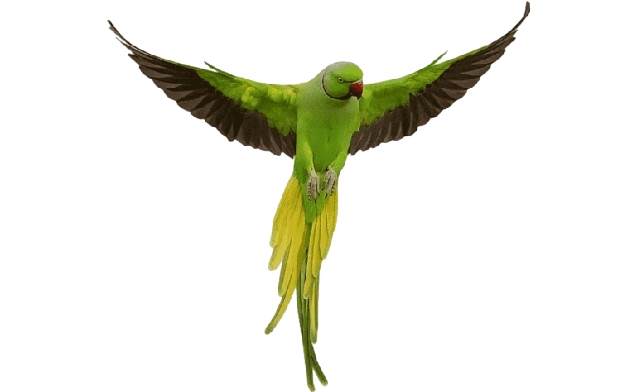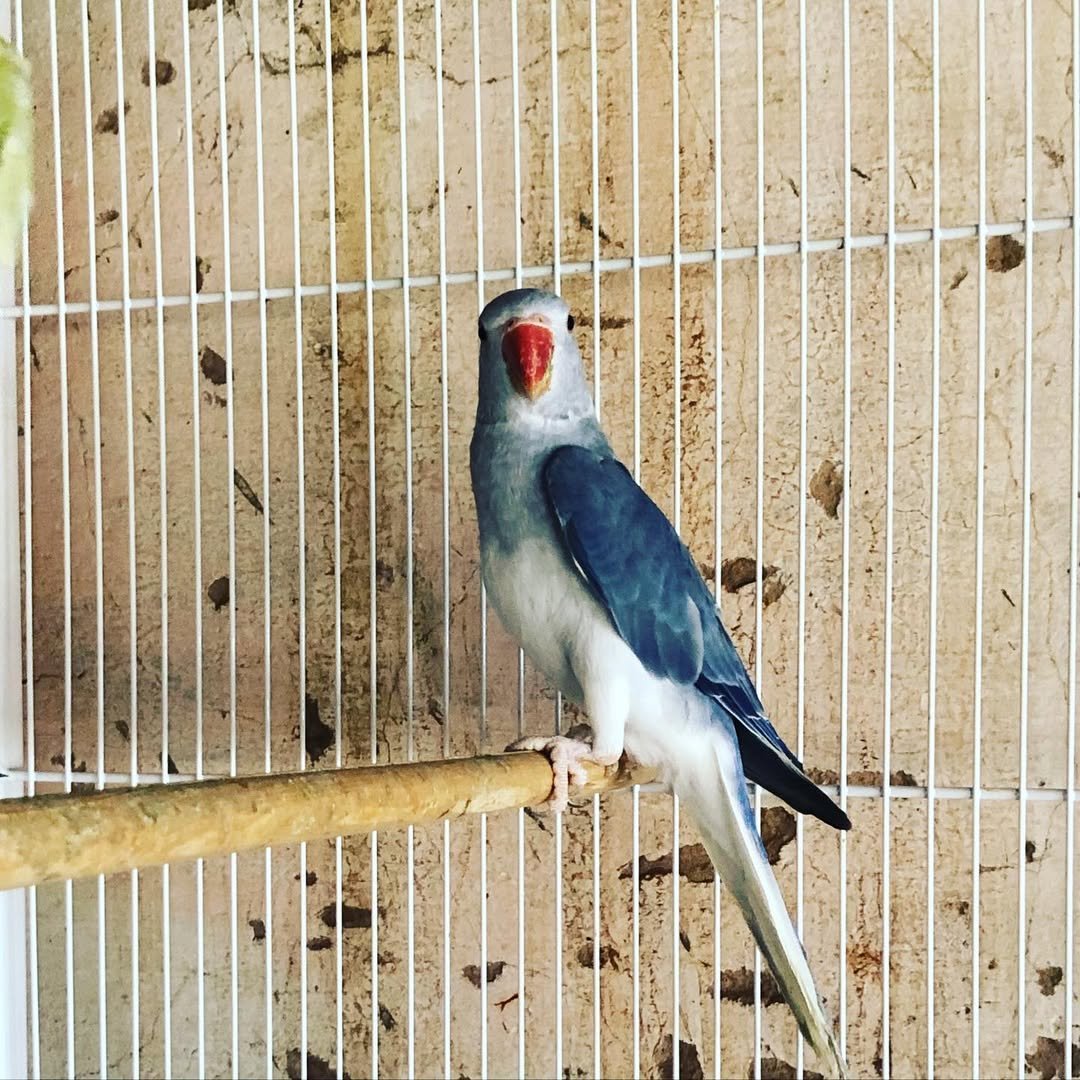
yellow parakeet
Yellow parakeet enthusiasts often find themselves captivated by the vibrant, sunny disposition these little birds bring into a home, and choosing the right one is about much more than just the color—it’s about finding a healthy, well-socialized companion that will thrive in your care. Finding a yellow parakeet isn’t just a simple transaction; it’s the start of a long, chirpy friendship, and as someone who has spent years working with these energetic creatures, I’ve learned that the quality of their early life makes all the difference in their future happiness.
Key Takeaways
- Health Indicators: Always inspect the bird’s feathers, eyes, and nostrils; a healthy yellow parakeet should be alert, active, and have a clean vent.
- Socialization: Parakeets are naturally social and thrive on human interaction or the companionship of another bird.
- Environment: A spacious cage with varied perches and mental stimulation is vital for their long-term well-being.
- Dietary Needs: A high-quality seed-pellet blend supplemented with fresh vegetables is the foundation of their health.
- Choosing a Breeder: Always prioritize breeders who handle their birds regularly and maintain clean, spacious living conditions.
Why the Yellow Parakeet Is a Special Companion
When people ask me about my favorite bird varieties, the yellow parakeet always holds a top spot. There is something truly cheerful about that bright plumage—it’s like having a little bit of sunshine flitting around the living room. But beyond the aesthetic, these birds possess a unique charm. Many of them, especially those who come from breeders who focus on social interaction, are incredibly inquisitive. I’ve noticed that they seem to have a bit more “personality” than some other varieties, though perhaps that’s just my own bias showing after all these years.
I often tell new owners that a yellow parakeet isn’t a “set it and forget it” pet. They require time. They want to be involved in your day, even if that just means sitting on your shoulder while you read or chattering away while you work nearby. It’s a rewarding commitment. Sometimes I think they understand more than we give them credit for—especially when they decide to sing their loudest songs right as I’m trying to take a phone call. It’s their way of staying part of the flock, and that’s essentially what you become to them: their flock.
Understanding the Genetics Behind the Yellow Parakeet
If you’re wondering why your bird is a “yellow” parakeet, it’s worth noting that this often stems from specific mutations. It’s fascinating, really. You have your classic green birds, but through generations of selective breeding, we’ve developed those striking yellow mutations that many people love. Some are pure, intense yellow, while others might have subtle, pale hues depending on whether they are a yellow-face mutation or a pied variety.
When you’re out looking for a yellow parakeet, you might encounter terms like “Dominant Pied” or “Recessive Pied.” Don’t let the jargon overwhelm you. Essentially, these are just ways of describing how the yellow pigments are expressed. A pied bird will often have patches of yellow mixed with other colors, creating a really beautiful, artistic pattern on their feathers. I’ve seen some that look like they’ve been painted with a brush, and each one is truly a one-of-a-kind piece of living art.
Preparing Your Home for a New Friend
Before you bring your yellow parakeet home, you need to make sure the environment is ready. I’ve walked into too many homes where the cage was just too small, and it breaks my heart. These birds love to move. They need horizontal space to fly, not just vertical space. I recommend a cage at least 18x18x24 inches, but if you have the room, go even bigger.
Think about the interior of the cage, too. Ditch those smooth dowel perches that come with the cage; they’re terrible for a bird’s feet. You want natural wood branches of varying thicknesses. It’s better for their foot health and helps prevent pressure sores. And please, keep them away from the kitchen! Non-stick cookware releases fumes that can be lethal to birds—it’s one of those “hidden” dangers that every new owner needs to be aware of. I learned this the hard way years ago, and I never, ever keep my birds anywhere near a kitchen anymore.
Top Breeders and Resources
Finding a reputable source is the most important step. You want someone who knows the lineage, handles the chicks, and doesn’t just treat them like inventory.
- Local Avicultural Societies: Often the best place to find small-scale, hobbyist breeders who truly care about the welfare of their birds.
- Specialized Parrot Rescues: Don’t overlook rescues. There are so many wonderful birds waiting for a second chance, and they are often already socialized.
- Veterinary Referrals: Your local avian veterinarian is a goldmine for information. They usually know who the ethical breeders in your area are.
When you contact a breeder, ask questions. If they can’t tell you what the bird is eating or how they socialize their chicks, keep looking. A good breeder will be just as interested in interviewing you as you are in interviewing them, because they care about where their babies end up.
Daily Care and Nutrition
A yellow parakeet thrives on a varied diet. While many pet stores push “seed-only” diets, those are far from optimal. I always suggest a high-quality pellet base, supplemented with fresh leafy greens like kale or spinach, and bits of fruit. Think of it like our own diet—you wouldn’t want to eat just crackers every day, right?
Also, keep an eye on their water. It needs to be changed daily, and the bowl should be scrubbed. Birds are messy eaters, and bacteria can build up quickly. I personally use specialized water feeders that keep the mess to a minimum. It saves me time and keeps the water much cleaner for the birds. It’s a small change that makes a big difference in their long-term health.
The Conclusion on Finding Your Perfect Bird
Choosing a yellow parakeet is a decision that brings a lot of life and joy into a household. Remember, you aren’t just buying a pet; you’re welcoming a sentient, social individual into your family. Take your time, look for a bird that is active and alert, and don’t rush the transition. Once they settle in and start to trust you, you’ll find that the bond you form is absolutely worth every bit of the preparation and care you put in.
Frequently Asked Questions
How can I tell if my yellow parakeet is happy?
A happy parakeet is an active, vocal one. You’ll see them playing with their toys, preening their feathers, and interacting with you or other birds in their environment. If a bird is sitting at the bottom of the cage, puffed up, or unusually quiet for long periods, that’s usually a sign that something is wrong, and you should reach out to an avian vet immediately. It’s always better to be cautious than to ignore a potential health issue.