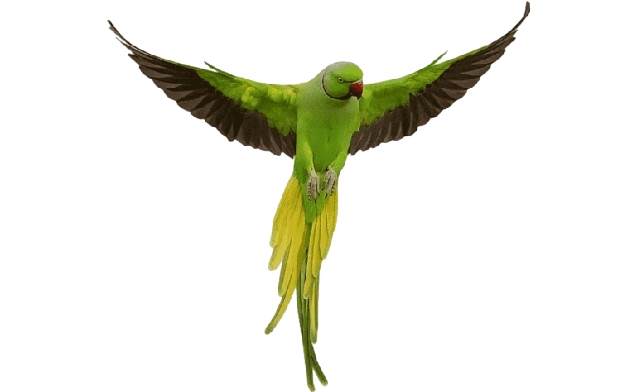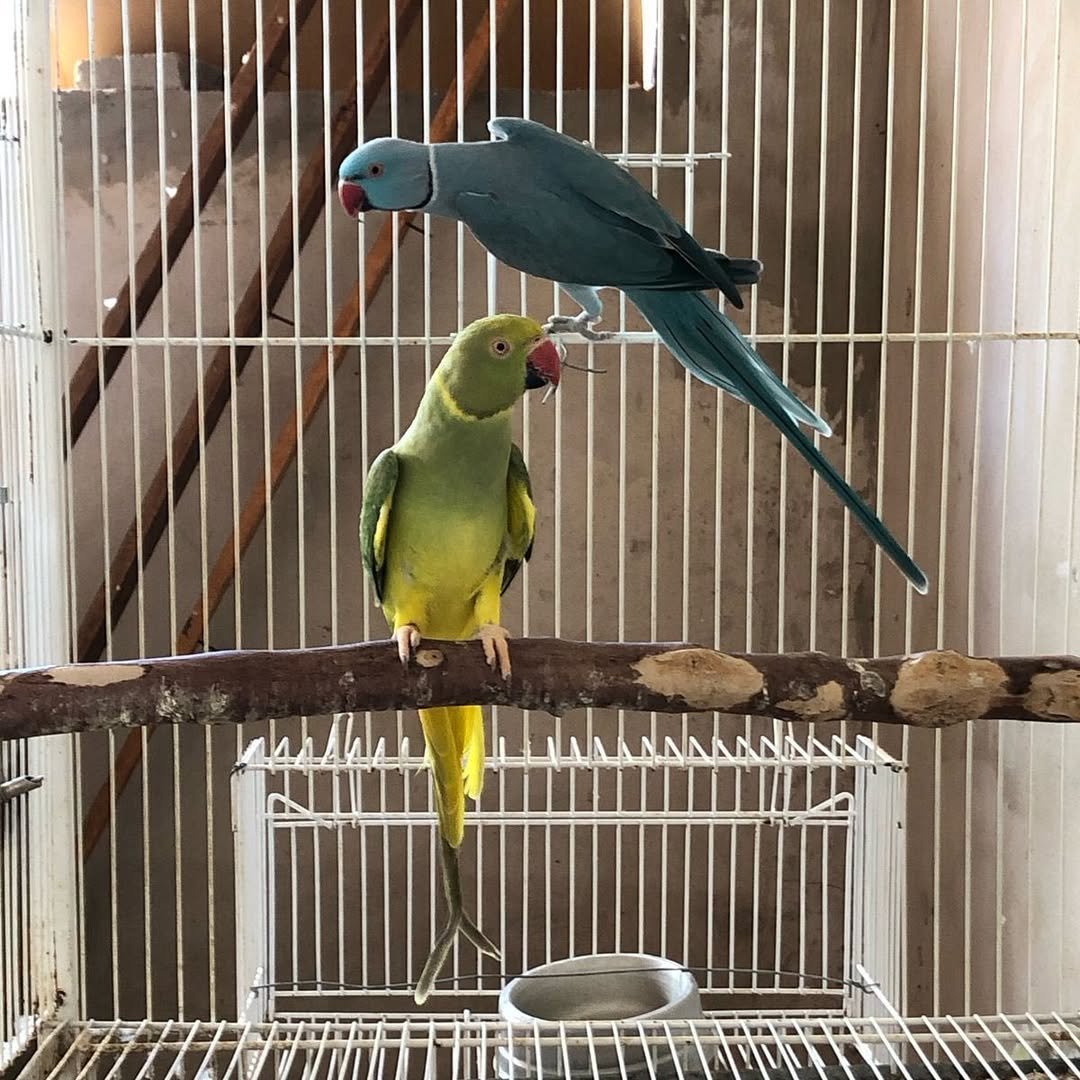
red parakeet
red parakeet options are often what people look for when they want a bird that truly stands out, but finding a bird that is genuinely “red” requires knowing a bit about the different species that carry these fiery pigments. As a breeder, I’ve seen folks get confused—often, they are searching for a red parakeet but end up falling in love with a different species entirely, like a rosella or a lory, which really brings home how important it is to do your homework before making that commitment to a new feathered friend.
Key Takeaways
- Species Identification: There isn’t a single bird biologically classified simply as a “red parakeet”; most birds with this description are actually species like the Crimson Rosella or specific color mutations of the common budgerigar.
- Color Genetics: The vibrant red color in these parrots comes from unique psittacofulvins, a type of pigment only found in parrots, which makes them stand out from birds that get their color from diet alone.
- Behavioral Differences: A red parakeet (or red-dominant parrot) often has a more assertive, curious, or territorial personality compared to smaller, quieter companion birds.
- Care Standards: Regardless of the specific red species you choose, these birds require high-quality pelleted diets, fresh vegetable rotation, and significant daily mental stimulation to prevent boredom.
Exploring the World of the Red Parakeet
When people ask me, “Mr. Parrot, do you have a red parakeet available?” I usually have to pause. It’s a bit of a trick question, honestly. Many people use the term loosely to describe any parrot that is predominantly red, but the actual biology is much more fascinating. If you’re hunting for that specific look, you’re often looking at birds like the Crimson Rosella, which is stunning, or perhaps a mutation in a standard budgie. It’s tricky, right? You want that visual pop, but you also need to make sure the bird’s personality fits your home.
I’ve spent years observing how these birds interact. They’re intelligent. Very intelligent. A red parakeet—or any parrot that catches your eye with those bright crimson or scarlet feathers—is usually the type of bird that wants to be involved in everything you’re doing. If you are sitting at the kitchen table, they want to be on the back of your chair. They are social, sometimes a little bit demanding, and always, always full of energy.
The Nuance of Red Pigmentation
You might be wondering, “Why are some birds so intensely red?” It really comes down to chemistry. Unlike cardinals, which get their red color from the food they eat (carotenoids), parrots produce their own red pigments called psittacofulvins. It’s what gives a red parakeet that deep, saturated look that doesn’t fade with a change in diet. I find it incredible that we’ve been working with these birds for so long, and yet they still manage to surprise me with the intensity of their colors every time they molt.
When you bring a bird with such vibrant coloring into your home, you’re bringing in a piece of living art. But remember, the color isn’t the bird. I’ve met people who buy a bird just for how it looks on Instagram, and it never works out well. You need to connect with the bird behind the feathers. The red parakeet is a complex individual. They need puzzles. They need hours of out-of-cage time. They need a human who understands that a bird is not a piece of furniture.
User Guide: What to Expect
If you are determined to bring a red-leaning companion into your life, there are a few things I always tell my clients. First, start with the cage. These birds are active. If you put them in a small cage, you are essentially setting them up for behavioral issues. I always recommend the largest cage you can physically fit in your space.
- Social Interaction: These birds often need 3–4 hours of direct social time a day.
- Dietary Needs: Don’t just rely on seed mixes. They need fresh, nutrient-dense greens and a high-quality pellet base.
- Training: They respond incredibly well to positive reinforcement. If you use a clicker or a simple treat, you’d be surprised at how fast they learn.
The Search for Quality Breeders
Finding a reputable source for your new friend is the next big hurdle. You don’t want someone who is just “flipping” birds. You want someone who knows the lineage, the health history, and the temperament of the parents. I always advise my customers to ask for a tour of the facility, or at least a live video call. If they won’t show you where the birds are living, walk away. Period.
List of Potential Species and Characteristics
- Crimson Rosella: Often associated with the “red” look; very beautiful but can be quite independent.
- Red-rumped Parakeet: Smaller, very sweet, and a great “starter” bird if you want that subtle red coloration without the intensity of a larger parrot.
- Mutation Budgies: Sometimes you can find specific breeding lines that produce very reddish hues, though these are rare.
A Realistic Look at Bird Ownership
I think it’s important to be honest: birds are loud. They are messy. They are demanding. A red parakeet isn’t going to be silent. If you are looking for a pet that you can keep in a cage and ignore for most of the day, a bird is not for you. Perhaps you should look at a goldfish. But if you want a companion—a real, living, breathing, noisy, funny companion—then a bird is the most rewarding thing you could possibly invite into your world. Just be ready for the fact that they will chew your favorite books and, quite possibly, try to steal your breakfast.
Expert Tips for Success
Whenever I place a bird with a new family, I tell them the first month is the most critical. You are establishing the rules of the house. You are letting the bird know that you are part of their flock. Consistency is everything. If you are firm, fair, and incredibly patient, you will be rewarded with a relationship that is truly unique. There’s no feeling quite like having a bird trust you enough to just sit on your shoulder and preen your hair while you’re working.
Conclusion
Choosing to bring a red parakeet—or any bird of this caliber—into your life is a significant decision. You are essentially adopting a toddler with wings who will live for many, many years. By focusing on their need for social engagement, providing a high-quality diet, and respecting their natural, curious instincts, you can create a bond that lasts a lifetime. Whether you are driven by the search for that perfect red plumage or the desire for a companion that truly interacts with you, remember to keep your focus on the health and happiness of the animal first. Do your research, find a reputable breeder, and prepare for a very exciting, albeit sometimes chaotic, new chapter.
Frequently Asked Questions
Q: Are red parakeets harder to train than other color variations?
A: Generally, no. The ability to learn and the ease of training are almost entirely dependent on the species and the individual bird’s personality, not its color. Whether you have a red-hued bird or a green one, the keys to success remain the same: consistent positive reinforcement, short and engaging training sessions, and building a foundation of trust. If you find your bird is struggling to pick up a trick, it is rarely because of their color—it is usually just a matter of finding the right motivation or adjusting your training pace to match their comfort level.