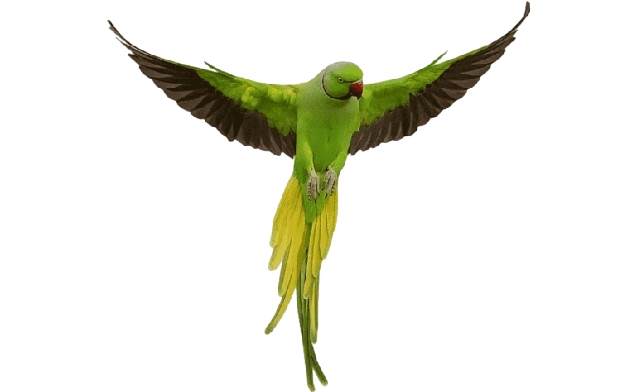
parakeet food
Parakeet food choices are the single most significant factor in determining your bird’s long-term health, energy levels, and even the vibrancy of those beautiful feathers you love so much. I’m mr. Parrot, and after years of working closely with these intelligent little creatures, I’ve learned that what you put in their dish isn’t just about survival—it’s about helping them thrive. Most people assume a simple bowl of seeds is enough, but in reality, that “seed-only” trap is often the silent culprit behind nutritional deficiencies and long-term health struggles. Whether you’re a new owner or looking to sharpen your care routine, understanding how to balance parakeet food properly is the absolute best way to ensure your companion stays active, happy, and by your side for years to come.
Key Takeaways
- Balance is Key: A healthy diet should ideally consist of 60–70% high-quality pellets, 20–25% fresh vegetables, and only small, controlled portions of seeds.
- The Seed Trap: Avoid relying solely on seeds; they are high in fat and low in essential vitamins, which can lead to obesity and fatty liver disease.
- Freshness Matters: Always wash produce thoroughly and remove any uneaten fruits or vegetables daily to prevent bacterial growth.
- Toxic Awareness: Never feed your parakeet avocado, chocolate, caffeine, fruit pits, or anything containing salt or sugar.
- Patience in Transition: Converting a “seed-junkie” to a healthier diet is a slow process; keep at it and consult your avian vet if you hit a wall.
Why Choosing the Right Parakeet Food Changes Everything
I’ve seen it happen time and again. A well-meaning owner brings home a gorgeous parakeet, fills the bowl with a generic seed mix, and wonders why the bird looks a bit dull or lethargic a year later. It’s a frustrating cycle because, to the naked eye, the bird is “eating.” But is it getting the right parakeet food? Probably not.
In the wild, these birds are foragers. They spend hours flying and searching for a variety of grasses, buds, and seeds that are nutritionally different from the dry, dusty bags you find at the grocery store. When we confine them to a cage, we have to replicate that variety. It’s not just about filling a stomach; it’s about metabolic health. If you rely too heavily on seeds, you’re essentially feeding your bird a “junk food” diet. It’s high in calories but misses the vital minerals, amino acids, and vitamins they need to keep their immune system sharp.
I often tell people that the most important parakeet food decision you make is to prioritize pellets over seeds. Pellets are formulated to provide a balanced baseline of nutrition. I know, I know—your bird might turn its beak up at them at first. That’s normal. They’re suspicious creatures! But if you stay the course, the transformation in their plumage and overall spirit is worth every bit of the effort.
Understanding the Nutritional Pillars
When you’re looking at parakeet food, think of it in terms of a pyramid.
- The Foundation (Pellets): This is the staple. Look for high-quality, avian-specific pellets. These provide the consistent nutrient profile that keeps them from becoming malnourished.
- The Nutrient Boost (Vegetables): Fresh, leafy greens like kale, spinach, and broccoli are absolute gold mines for nutrients. I personally love seeing them tear into a piece of bell pepper. They get fiber, antioxidants, and a bit of fun out of the process.
- The Occasional Treat (Seeds & Fruit): Seeds should be treated like a “reward” or a snack. A little bit of millet spray is fine once in a while, but it shouldn’t be the main course. Fruit is also great, but because of the sugar content, keep those pieces small and occasional.
Sometimes I think we overcomplicate it. If you offer a diverse bowl, you’re already miles ahead of the average bird owner. But the “how” matters just as much as the “what.”
The “Transition” Struggle: Turning Your Bird Toward Healthier Parakeet Food
If your bird has been on a seed-only diet for months or years, don’t expect them to embrace a bowl of pellets overnight. It’s like trying to convince a toddler to eat broccoli after they’ve been living on fries. I’ve found that the best way to introduce new parakeet food is the “slow and steady” method.
- Don’t go cold turkey: Your bird won’t understand that the new stuff is food. Mix a small amount of pellets into their current seed dish so they get used to the sight of them.
- Make it a game: Parakeets are naturally curious. If you pretend to “eat” the pellets—making little clicking sounds—they often become curious enough to try a nibble. It sounds silly, but it works.
- Monitor the weight: Use a small digital scale to track their weight during the transition. You want to make sure they aren’t losing weight because they’re being stubborn about not eating the new parakeet food.
Toxic Hazards: What to Avoid
There are some things in your kitchen that are absolutely deadly to birds. Never let your curiosity—or theirs—get the better of you. Parakeet food safety is a non-negotiable rule. Avocado is the biggest one to watch out for; it contains persin, which is highly toxic. And please, keep them away from anything with caffeine, chocolate, or onions. Salt is another one that many people overlook; it’s very hard on their kidneys. If you’re ever in doubt, leave it out of the bowl.
A Simple Breeder’s Guide to Daily Feeding
If I were to set up a feeding schedule for my own flock, it would look something like this:
- Morning: A fresh serving of high-quality pellets. This ensures they start their day with the nutrients they need most.
- Mid-day: A small, chopped serving of mixed vegetables. Broccoli, carrots, and peppers are my go-to choices.
- Evening: A very small, limited amount of seeds or a tiny fruit treat. This serves as a “good job” reward for the day.
Consistency is key. If you’re erratic with your parakeet food routine, your bird will get stressed. They thrive on the predictability of knowing when their next meal is coming.
Top Tips from Experienced Breeders
In my years of working with these birds, I’ve learned a few “secrets” that most guides leave out:
- The color of the bowl matters: I’ve noticed that some birds prefer certain colors. If you’re struggling to get them to try new parakeet food, try switching the bowl to a brighter color.
- Temperature counts: Sometimes slightly warmed, softened veggies are more appealing than cold ones straight from the fridge.
- Stay firm: Don’t cave in when they beg for seeds. They are smart little manipulators! If you show them that “no, you only get seeds later,” they will eventually prioritize the pellets.
Frequently Asked Questions About Parakeet Food
Q: Why does my parakeet only pick the seeds out of the mix and ignore the rest?
A: That’s a classic “seed-junkie” behavior! Seeds are high in fat, and birds will naturally choose the “tastiest” (fattiest) option if given the chance. It’s up to you to limit the seed access so they are encouraged to explore the more nutritious parakeet food options like pellets and veggies. If you let them fill up on seeds, they’ll never feel hungry enough to try the good stuff.
Conclusion
Feeding your parakeet is one of the most rewarding parts of ownership. It’s a daily commitment to their longevity. By moving away from seed-heavy habits and embracing a diet rich in high-quality pellets and fresh, safe vegetables, you are directly investing in a longer, healthier life for your feathered friend. Remember, you are their advocate and their chef. Keep the parakeet food fresh, keep the variety interesting, and stay patient through the changes. A healthy bird is a happy, singing bird, and that really is the best reward you could ask for.