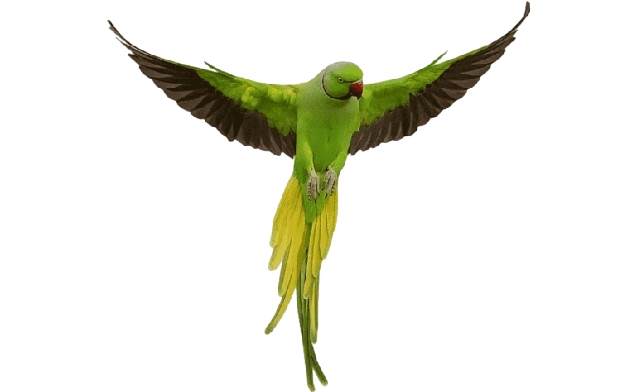
green parakeet
Green parakeet companions are among the most delightful, intelligent, and vibrant birds you can bring into your home, serving as a reminder of nature’s beauty with their stunning emerald feathers and spirited personalities. I’m mr. Parrot, and after years of dedicated breeding and observing these remarkable creatures, I’ve found that their charm—often described as a “big personality in a small body”—is truly unmatched by any other small bird.
Whether you are captivated by their playful antics, their surprising ability to mimic sounds, or simply the way they brighten up a room, understanding how to properly care for these birds is the secret to a long, happy, and fulfilling life together. Most people think they just need a cage and some seeds, but in reality, giving them the life they deserve involves a bit more heart, patience, and knowledge about their specific needs.
Key Takeaways
- The Power of Green: A green parakeet is often the classic, hardy choice for both novice and experienced owners, reflecting the species’ natural, resilient heritage.
- Social Bonds: These birds are flock animals; they require significant daily interaction with their “human flock” or a feathered companion to stay mentally healthy.
- Balanced Nutrition: Never rely on a seed-only diet; a mix of 60–70% high-quality pellets supplemented with fresh vegetables and fruits is vital.
- Environment Matters: A spacious, horizontal cage with plenty of toys for foraging and mental stimulation is the foundation of a happy bird.
- Commitment: With the right care, these intelligent, active pets can live 10–15 years, becoming a true member of your family.
Understanding the Nature of Your Green Parakeet
When I talk about a green parakeet, I’m often referring to the classic budgie or similar small-to-medium parrots that sport those iconic, beautiful feathers. There’s something special about the green parakeet—it’s like having a little piece of the wild right in your living room. They are naturally curious, and I’ve spent many hours just watching them explore a new toy or tilt their heads in that inquisitive way that makes it impossible not to fall in love with them.
I think people are drawn to the green parakeet because of that classic look. But beyond the appearance, it’s their disposition that really wins you over. They aren’t just “decorations”; they are thinkers. They observe, they react, and they definitely have preferences. I’ve noticed that a well-socialized green parakeet will often try to join in on family conversations, whistling or making little chattering sounds that feel remarkably like they’re trying to say something important.
Essential Care: Housing and Environment
The home you provide for your green parakeet is their entire world. I’ve always emphasized that bigger is better when it comes to a cage. Even if your green parakeet spends a lot of time out of the cage, the habitat needs to be a place of safety and genuine comfort. I recommend a cage at least 18 inches wide, but honestly, if you can go larger, your bird will thank you with more energy and playfulness.
Placement matters, too. Don’t shove them in a corner where they can’t see the action! They are social creatures; they want to be part of the “flock.” But keep them away from drafts and kitchens—fumes from certain cookware can be dangerous, and that’s a risk no owner should ever take.
The Diet: Beyond the Seed Bag
One of the biggest misconceptions I encounter as a breeder is the idea that a green parakeet lives on seeds alone. I’ve seen birds suffer for years because of this “seed-junkie” habit. If you want your green parakeet to have that brilliant, glowing feather quality, you have to prioritize nutrition.
A healthy green parakeet needs a base of high-quality pellets. I treat seeds more like a high-value treat rather than a staple. And those greens? I’m talking about kale, broccoli, and even some carrot slices. Sometimes I think my birds look forward to their fresh produce more than anything else! It keeps them active, keeps their digestion moving, and honestly, it’s just fun to watch them shred a piece of broccoli.
Breeding and Socialization
If you’re interested in the breeding side of things, patience is your best friend. A green parakeet pair won’t just start nesting because you put a box in the cage. They need to bond. I’ve sat for hours just watching a pair to see if they’re truly a match—mutual preening, sharing food, and sitting side-by-side are the signs you’re looking for.
And for the owners who just want a pet? Socialization starts the moment you bring them home. A green parakeet is a prey animal, so don’t be surprised if they’re a bit shy at first. It’s natural! Just sit near the cage, speak softly, and let them get used to your presence. Trust isn’t earned in a day, but once you have it, the bond is incredibly rewarding.
Top Breeders and Species Overview
When looking for a green parakeet, you want to find someone who cares about the bird’s well-being as much as you do.
- Look for Transparency: A good breeder will talk to you about the bird’s health, diet, and lineage without hesitation.
- Health Checks: Always ensure your bird has bright, clear eyes and clean feathers. A lethargic bird is a red flag.
- Species Variation: While the “classic” green parakeet is a favorite, be aware of others like the Lineolated or Green-Cheeked, which share the green coloration but have unique personality quirks.
Conclusion
Bringing a green parakeet into your home is a decision that brings a decade or more of joy. It’s a commitment to learning their language, providing the right green parakeet diet, and ensuring their environment is stimulating and safe. I’ve learned so much from every green parakeet I’ve raised, and I’m confident that if you put the effort into understanding their needs, you’ll find them to be one of the most rewarding companions you’ve ever had. Remember, they aren’t just pets; they are little individuals with their own moods, desires, and ways of saying “I love you” in their own bird-like way.
Frequently Asked Questions
Q: Can I keep my green parakeet in a room alone while I’m at work?
A: Ideally, no. Because a green parakeet is a flock animal, they don’t do well with long periods of isolation. If your schedule keeps you away, it’s much kinder to keep a pair of green parakeet friends together so they can interact throughout the day. If you only have one green parakeet, be prepared to give them plenty of undivided attention, training, and social interaction the moment you get home, as their mental health depends on that connection to their human flock.