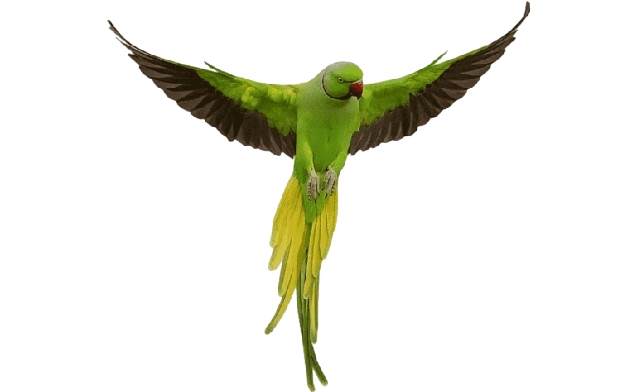
monk parakeet
Monk parakeet ownership is an incredibly rewarding commitment, but it requires a deep understanding of their unique, high-energy personality and specific environmental needs. As a breeder who has spent years watching these intelligent, gregarious birds grow, I can tell you that a well-socialized monk parakeet—often called a Quaker parrot—is more like a feathered toddler than a simple cage pet; they thrive on interaction, demand consistent mental stimulation, and will quickly become the center of your household’s daily routine.
Key Takeaways
- High Intelligence: Monk parakeets are exceptionally bright and require puzzle toys, foraging opportunities, and daily interaction to prevent behavioral issues.
- Social Bonds: These birds are deeply loyal and bond closely with their “flock,” but they can become loud or territorial if they aren’t provided with enough attention or a secure, well-equipped habitat.
- Legal Responsibility: Always verify local regulations, as the monk parakeet status varies significantly by region due to their ability to adapt to wild environments.
- Diet and Health: A balanced, primarily pelleted diet supplemented with fresh produce is non-negotiable for long-term health, as is access to an avian-specialist veterinarian.
Understanding the Monk Parakeet Personality
When you decide to welcome a monk parakeet into your home, you aren’t just buying a bird—you are entering into a long-term relationship. I’ve seen many owners get surprised by how “human-like” they can be. They are incredibly talkative, often picking up phrases and songs with startling clarity. But with that intelligence comes a need for structure. If they get bored? You’ll hear about it. Their calls can be loud and persistent if they feel ignored or under-stimulated.
I’ve often noticed that a bored monk parakeet is a destructive one. Because they are natural nest builders—unlike many other parrots that look for pre-existing holes in trees—they have an innate, intense drive to weave and organize materials. Providing them with safe paper strips, palm fronds, or untreated wooden sticks isn’t just a treat; it’s a way to let them express a core part of who they are.
Creating the Ideal Environment
Setting up your home for a monk parakeet starts with the cage. I cannot stress this enough: go for the largest space you can reasonably manage. While 30 inches by 24 inches by 30 inches is a standard recommendation, bigger is always better for such an active species. They love to climb, jump, and flap.
- Secure Housing: They are famously clever. I’ve seen monk parakeets figure out simple cage latches in minutes. Ensure your enclosure has secure, “bird-proof” locks.
- Location Matters: Keep them in a socially active part of your house. They are social creatures; being tucked away in a corner will lead to a lonely, unhappy bird.
- Dietary Needs: Don’t rely solely on seeds. A high-quality pellet base is essential. I always supplement with fresh bell peppers, leafy greens, and the occasional nut as a reward during training sessions.
Sourcing Your Bird: A Breeder’s Perspective
When you are ready to find your companion, I always urge people to look for reputable, small-scale breeders. Why? Because the way a monk parakeet is raised in its first few months sets the tone for its entire personality. Hand-raised birds are generally much more confident and gentle.
When you visit a breeder, look at the environment. Are the birds clean? Is the breeder knowledgeable about their specific genetic lines? A good breeder will be happy to show you the aviary setup and explain their socialization process. Avoid “dealers” who shuffle birds through quickly; their birds often lack the health history and human socialization that make a monk parakeet a true joy to own.
Frequently Asked Questions
Are monk parakeets legal to keep as pets everywhere?
Because of their extreme adaptability and history of establishing feral populations, the legal status of the monk parakeet varies significantly by state and country. In some regions, they are considered a domestic pet, while in others, there are strict permits or even prohibitions due to concerns about them becoming an invasive species. Always check your local council or environmental department’s regulations before making a purchase, as these laws can change and you must ensure your home meets all local biosecurity and housing requirements.