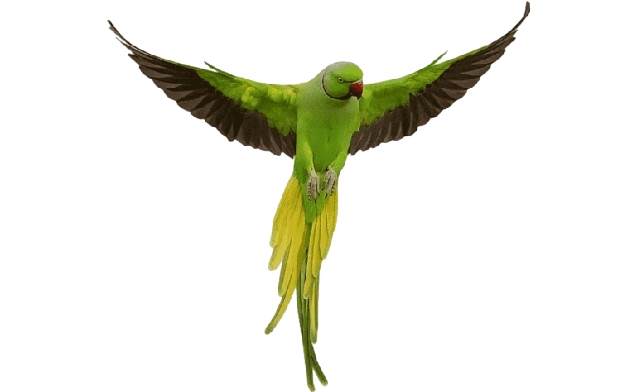
parakeet bird
Parakeet bird companions are some of the most charming, intelligent, and vibrant creatures you could ever bring into your home, but truly thriving with one requires a genuine commitment to their specific social and environmental needs. As a breeder who has spent years watching these little feathered personalities grow, I’ve learned that the secret to a happy pet is understanding that they aren’t just decorative ornaments for a cage; they are active, highly social beings that need your time, attention, and a thoughtfully curated space to feel secure.
Key Takeaways
- Social Nature: These birds are flock animals that thrive on daily interaction, whether with another bird or with you—if you’re a single-bird owner, be prepared to be their “flock” and spend significant time together.
- Environmental Safety: Your home setup is crucial; avoid kitchens entirely due to toxic non-stick fumes and ensure the cage is placed in a draft-free, well-lit, and socially active area.
- Balanced Nutrition: A high-quality pelleted diet, supplemented with fresh vegetables and grains, is the gold standard, while seeds should be treated only as occasional rewards.
- Commitment to Enrichment: They are incredibly smart and prone to boredom, meaning you must provide a rotating array of foraging toys, puzzles, and safe chewing materials.
- Health Vigilance: Always monitor for signs of illness like lethargy or fluffed feathers, and establish a relationship with an avian veterinarian early on to ensure long-term wellness.
Why Choosing a Parakeet Bird Changes Everything
When you start looking for a parakeet bird, it’s easy to get distracted by the beautiful array of color mutations, but I always tell folks: personality and health matter far more than the shade of blue or green. In my experience, a parakeet bird that has been socialized from a young age is a joy, but that bond takes work. Perhaps you’re thinking about just getting one, but honestly, these little guys are much happier in pairs unless you can truly dedicate the hours to being their constant companion.
I remember my first parakeet bird; I thought the cage was just a place to sleep, but I quickly realized these birds need room to stretch and fly. A parakeet bird is an athlete, really. They love to climb, explore the bottom of their cage, and shred toys to bits. If you aren’t giving your parakeet bird plenty of space and things to do, they’ll let you know—usually by becoming quite loud or, even worse, developing behavioral issues like feather plucking.
Setting Up the Perfect Habitat for Your Parakeet Bird
If you want to keep a parakeet bird happy, the cage is your first big investment. A cramped, circular cage is a relic of the past that just doesn’t cut it. Your parakeet bird needs a rectangular enclosure where they can actually flutter from one side to the other. And don’t forget the bar spacing! You want it narrow enough that your parakeet bird doesn’t get their head stuck—safety is everything.
Beyond the cage, think about the perches. I see so many pet stores selling those smooth, uniform dowels, but they’re terrible for a parakeet bird‘s feet. You want natural branches of varying diameters. It’s like us walking in shoes that fit perfectly versus wearing ones that are too tight; it makes a huge difference in their comfort. When you look at a parakeet bird in the wild, they’re always navigating different textures, so bring that variety indoors.
A Breeder’s Guide to Nutrition and Health
I think the most common mistake people make with their new parakeet bird is the diet. A bowl filled just with seeds is like feeding a child only candy—it tastes good, but it doesn’t sustain them. Your parakeet bird needs a high-quality pellet base to ensure they get the vitamins they need. I like to add fresh greens like spinach or carrot tops to my birds’ daily menu; it keeps their minds sharp and their bodies healthy.
- Avoid the toxins: Never keep your parakeet bird in a kitchen. The fumes from non-stick pans can be lethal to a parakeet bird in minutes. It’s not a risk worth taking.
- Hydration is key: Always keep fresh, clean water available for your parakeet bird, and don’t be surprised if they enjoy a little splash in a shallow bath dish from time to time.
- The “Mr. Parrot” Pro-tip: If your parakeet bird seems quiet or is fluffed up for long periods, don’t wait to see if it “passes.” Birds are prey animals and hide illness incredibly well. By the time they look sick, they really need a vet.
Top Breeders and Selection Tips
If you are currently searching for the right breeder, look for someone who prioritizes the birds’ well-being over high volume. A responsible breeder will let you see the parents or at least the environment where the parakeet bird was raised. Ask questions! A good breeder will love talking about their flock. If you see a parakeet bird that is energetic, has clear eyes, and a clean vent, you’re off to a great start.
Remember, each parakeet bird has a unique temperament. Some are naturally bold, while others are shy. Don’t be afraid to sit quietly with the parakeet bird for a few minutes before deciding. See if they respond to your voice or seem curious about you. That initial connection is often the start of a wonderful friendship.
Conclusion: Making the Commitment
Bringing a parakeet bird home is a long-term joy that requires a bit of planning and a lot of heart. From the moment you decide to purchase your parakeet bird to the years you spend training and bonding with them, it’s a journey of mutual discovery. Make sure you have the supplies ready, the cage set up in a quiet part of the house, and plenty of patience for those initial weeks of adjustment. Your parakeet bird will thank you with loyalty, laughter, and a constant, chirpy presence that brightens every day.
Frequently Asked Questions
How much time should I spend with my parakeet bird every day?
A parakeet bird is an incredibly social creature, and I always recommend spending at least 30 to 60 minutes of focused, one-on-one time with them daily. This includes talking to them, training, or simply letting them hang out on your shoulder while you move around the room. If you can’t guarantee this level of interaction, I strongly suggest getting a pair, as a parakeet bird left entirely alone for long periods can become depressed, stop singing, or develop stress-related behaviors. Ultimately, the more you put into your parakeet bird relationship, the more rewarding the companionship will become.